
What Are the Different Varieties of Mango Plants I Can Grow?
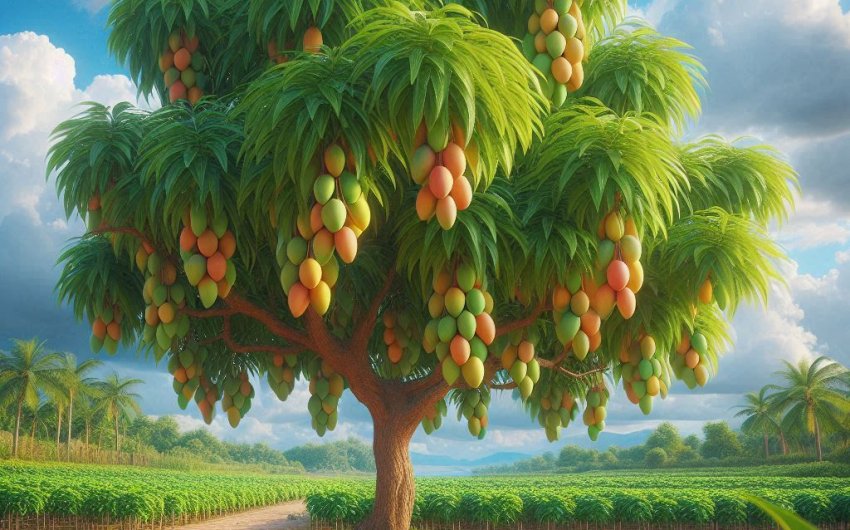
There are hundreds of different varieties of mango plants you can grow, each offering unique flavors, sizes, and growing characteristics. Choosing the right variety depends on your climate, space, and personal taste preferences.
What Factors Should I Consider When Choosing a Mango Variety?
Before diving into specific mango varieties, understanding the key factors that influence their growth and fruit production is crucial. These considerations will help you select the best mango plant for your specific garden conditions and desired outcome.
Climate and Hardiness Zone
Mangos are tropical and subtropical trees, meaning they thrive in warm climates. Most mango varieties prefer USDA Plant Hardiness Zones 9-11.
- Cold Tolerance: Some varieties are more tolerant of cooler temperatures or brief dips below freezing than others. If you live in a marginal zone (like Zone 9), selecting a more cold-hardy variety is important.
- Humidity: While they need warmth, extreme humidity can sometimes contribute to fungal diseases. However, most varieties tolerate high humidity well.
- Rainfall: Mangos typically need a dry period for optimal flowering and fruit set. Excessive rain during flowering can reduce yields.
Tree Size and Growth Habit
Mango trees can range from massive, sprawling giants to compact, dwarf varieties suitable for containers.
- Standard Size: Many traditional varieties grow into large trees, often reaching 30-60 feet (9-18 meters) tall and wide. These are best suited for large properties.
- Semi-Dwarf: These varieties mature at a more manageable 10-20 feet (3-6 meters), making them suitable for smaller yards.
- Dwarf: Ideal for container growing or very small spaces, dwarf varieties may only reach 6-10 feet (1.8-3 meters).
- Growth Habit: Some trees have an upright, columnar shape, while others are more spreading and bushy. Consider how the mature tree will fit into your landscape.
Fruit Characteristics
This is often the most exciting part for growers – what kind of fruit will you get?
- Flavor Profile: Mangos offer a vast spectrum of flavors, from sweet and juicy to tart, fibrous, or creamy. Some have notes of citrus, peach, pineapple, or even pine.
- Texture: Flesh can be buttery, smooth, fibrous, or firm.
- Size and Shape: Fruits vary from small, round mangos to large, elongated ones.
- Skin Color: Ripening skin colors range from green, yellow, orange, red, and various blends.
- Fiber Content: Some older varieties are known for high fiber content near the seed, while many modern cultivars are nearly fiber-free.
- Seed Size: A smaller seed means more edible flesh.
Disease Resistance
Choosing varieties with natural resistance to common mango diseases can significantly reduce maintenance and the need for chemical treatments.
- Anthracnose: A widespread fungal disease causing black spots on leaves, flowers, and fruit, and blossom blight. Highly susceptible varieties require regular fungicidal sprays in humid climates.
- Powdery Mildew: Another fungal disease affecting flowers and young fruit.
- Bacterial Black Spot: Causes raised, angular black spots on leaves, stems, and fruit.
Bearing Habits
- Regular Bearer: Produces a consistent crop every year.
- Alternate Bearer: Tends to produce a heavy crop one year and a lighter crop (or no crop) the next. This can be managed somewhat with proper fertilization and pruning.
- Early, Mid, or Late Season: Consider when you want your mangos to ripen. Planting a mix of varieties can extend your harvest season.
What are the Most Popular and Widely Grown Mango Varieties?
Some mango varieties have gained widespread popularity due to their superior flavor, good production, or commercial appeal. These are often excellent choices for home growers, especially those new to mango cultivation.
'Tommy Atkins'
- Origin: Florida, USA
- Fruit Characteristics: Medium to large, oval-round fruit. Skin is thick, tough, and vibrant with dark red blush over a green and yellow background. Flesh is firm, somewhat fibrous, and has a mild, sweet flavor.
- Tree Characteristics: Vigorous, upright grower, reaching 20-30 feet (6-9 meters).
- Bearing Habit: Very productive and a regular bearer.
- Disease Resistance: Highly resistant to anthracnose, making it a favorite for commercial growers in humid regions.
- Why it's Popular: Its excellent shelf life, good transportability, and disease resistance make it a global commercial standard. While its flavor might be considered "mild" by connoisseurs, it's a reliable and easy-to-grow option for home gardeners.
'Haden'
- Origin: Florida, USA (considered the progenitor of many Florida cultivars)
- Fruit Characteristics: Medium to large, oval fruit. Skin is beautiful, with bright red blush over yellow and green. Flesh is juicy, sweet, rich, and fragrant, with minimal fiber.
- Tree Characteristics: Vigorous, upright, and somewhat open canopy, reaching 20-30 feet (6-9 meters).
- Bearing Habit: Good producer but can be an alternate bearer.
- Disease Resistance: Moderately susceptible to anthracnose.
- Why it's Popular: Revered for its classic "mango" flavor and aroma. It's often considered the benchmark for quality among traditional mango varieties.
'Ataulfo' (Honey Mango / Champagne Mango)
- Origin: Mexico
- Fruit Characteristics: Small, kidney-shaped fruit with thin, bright yellow skin when ripe. Flesh is incredibly smooth, buttery, fiber-free, and intensely sweet with a rich, tropical aroma. Small seed.
- Tree Characteristics: Medium-sized tree, typically 15-20 feet (4.5-6 meters).
- Bearing Habit: Very productive and a regular bearer.
- Disease Resistance: Good resistance to anthracnose.
- Why it's Popular: Highly sought after for its exceptionally smooth, fiber-free texture and intense sweetness. It's a favorite for eating fresh and is widely available commercially.
'Keitt'
- Origin: Florida, USA
- Fruit Characteristics: Large, oval to round fruit. Skin remains predominantly green even when ripe, sometimes with a slight red blush. Flesh is firm, sweet, juicy, and virtually fiber-free with a mild, delightful flavor.
- Tree Characteristics: Moderately vigorous, somewhat compact, and open growth habit, reaching 15-25 feet (4.5-7.5 meters).
- Bearing Habit: Very productive and a regular bearer, producing late in the season.
- Disease Resistance: Good resistance to anthracnose.
- Why it's Popular: Its late-season ripening extends the mango season. Its large size, low fiber, and excellent flavor make it a top choice for home gardens and commercial production.
'Kent'
- Origin: Florida, USA
- Fruit Characteristics: Large, oval fruit with a beautiful dark green skin that ripens to yellow with an orange-red blush. Flesh is exceptionally rich, sweet, juicy, and fiber-free, with a very small seed.
- Tree Characteristics: Vigorous, upright, and open growth habit, reaching 20-30 feet (6-9 meters).
- Bearing Habit: Very productive and a regular bearer. Mid to late season.
- Disease Resistance: Good resistance to anthracnose.
- Why it's Popular: Widely considered one of the best tasting mangos, especially appreciated for its rich flavor and fiber-free flesh. It's a favorite among connoisseurs.
What are Some Excellent Mango Varieties for Smaller Spaces or Containers?
If you have limited garden space or live in a colder climate where you need to bring plants indoors for winter, dwarf or semi-dwarf mango varieties are ideal. Many of these are excellent producers of delicious fruit on a smaller scale.
'Cogshall'
- Origin: Florida, USA
- Fruit Characteristics: Medium-sized, oval fruit with attractive yellow-orange skin and a red blush. Flesh is rich, sweet, and nearly fiber-free with a mild, pleasant flavor.
- Tree Characteristics: Known for its compact, upright growth habit, making it an excellent choice for smaller yards or containers. Typically reaches 10-15 feet (3-4.5 meters) in the ground, smaller in pots.
- Bearing Habit: Very productive and a regular bearer. Mid-season.
- Disease Resistance: Good resistance to anthracnose.
- Why it's Good for Small Spaces: Its naturally compact size and upright growth require less pruning to maintain, perfect for smaller urban gardens or as a patio plant.
'Julie'
- Origin: Jamaica
- Fruit Characteristics: Small to medium-sized, oval to oblong fruit with dull green skin that remains largely green when ripe, sometimes with a faint blush. Flesh is exceptionally sweet, juicy, fiber-free, and has a rich, complex flavor often described as nutty or coconut-like.
- Tree Characteristics: Naturally dwarf and slow-growing, making it ideal for container growing. Can be maintained at 6-10 feet (1.8-3 meters).
- Bearing Habit: A good producer, but can be an alternate bearer.
- Disease Resistance: Very susceptible to anthracnose, requiring diligent care in humid climates.
- Why it's Good for Small Spaces: Its small stature is its most appealing feature for growers with limited space, combined with its unique and highly praised flavor.
'Carrie'
- Origin: Florida, USA
- Fruit Characteristics: Medium-sized, oval fruit with green skin that often stays green even when ripe. Flesh is exceptionally smooth, completely fiber-free, and has a uniquely rich, sweet, aromatic flavor often described as resinous or spicy. Very small seed.
- Tree Characteristics: Moderately vigorous, upright, and somewhat compact, reaching 10-15 feet (3-4.5 meters).
- Bearing Habit: Regular and productive bearer. Early to mid-season.
- Disease Resistance: Excellent resistance to anthracnose.
- Why it's Good for Small Spaces: Its compact growth and outstanding, fiber-free fruit with excellent disease resistance make it a top contender for home growers with limited space.
'Ice Cream'
- Origin: Trinidad
- Fruit Characteristics: Small to medium-sized, oblong fruit with green skin that ripens to light green with some yellowing. Flesh is intensely sweet, aromatic, creamy, and fiber-free, with a taste reminiscent of ice cream or honey. Small seed.
- Tree Characteristics: Dwarf, slow-growing, and upright, making it highly suitable for containers or small spaces. Reaches 6-10 feet (1.8-3 meters).
- Bearing Habit: Regular and good producer. Mid-season.
- Disease Resistance: Moderately susceptible to anthracnose.
- Why it's Good for Small Spaces: Its exceptionally unique and delicious flavor combined with its naturally small size makes it a highly desired choice for compact gardens.
'Ok Pong' (Kiew Savoey)
- Origin: Thailand
- Fruit Characteristics: Medium-sized, elongated fruit. Unique in that it is often eaten green and crunchy with a slightly sour but sweet flavor. When fully ripe, the flesh is sweet, juicy, and fiber-free.
- Tree Characteristics: Moderately vigorous, compact, and upright, suitable for containers or smaller yards, reaching 10-15 feet (3-4.5 meters).
- Bearing Habit: Regular and productive. Early to mid-season.
- Disease Resistance: Good resistance to anthracnose.
- Why it's Good for Small Spaces: Its versatility (eaten green or ripe) and compact growth habit make it a great choice for home growers looking for something a bit different.
What are Some Unique and Specialty Mango Varieties?
Beyond the widely recognized types, there are many unique mango varieties valued for their distinct flavors, unusual characteristics, or rarity. These are often sought after by mango enthusiasts and collectors.
'Nam Doc Mai'
- Origin: Thailand
- Fruit Characteristics: Medium to large, elongated, S-shaped fruit with smooth, thin, yellow skin. Flesh is exceptionally sweet, smooth, completely fiber-free, and has a rich, peachy-honey flavor with a delicate aroma. Small, thin seed.
- Tree Characteristics: Moderately vigorous, upright, and can be maintained at 15-20 feet (4.5-6 meters) with pruning.
- Bearing Habit: Very productive and a regular bearer. Early to mid-season.
- Disease Resistance: Good resistance to anthracnose.
- Why it's Unique: Considered a "gourmet" mango for its consistently high quality, exceptional sweetness, and lack of fiber. It's a favorite for eating fresh and used in many Asian culinary applications.
'Glenn'
- Origin: Florida, USA
- Fruit Characteristics: Medium-sized, oval to round fruit. Skin ripens to yellow with a beautiful pink or red blush. Flesh is sweet, juicy, fiber-free, and has a rich, tropical flavor often compared to peach and honey. Small seed.
- Tree Characteristics: Moderately vigorous, compact, and dense growth habit, making it suitable for smaller spaces and containers. Reaches 10-15 feet (3-4.5 meters).
- Bearing Habit: Very productive and a regular bearer. Early to mid-season.
- Disease Resistance: Excellent resistance to anthracnose.
- Why it's Unique: A highly recommended backyard mango due to its compact size, consistent production, excellent disease resistance, and superb, reliable flavor. It's a real all-rounder.
'Maha Chanok'
- Origin: Thailand
- Fruit Characteristics: Long, slender, elegant fruit with striking yellow-orange skin blushed with red. Flesh is aromatic, firm, very sweet, and virtually fiber-free with a floral undertone.
- Tree Characteristics: Moderately vigorous and upright, can be maintained at 15-20 feet (4.5-6 meters).
- Bearing Habit: Good and regular producer. Mid-season.
- Disease Resistance: Good resistance to anthracnose.
- Why it's Unique: Highly prized in Asian markets for its attractive appearance, exquisite aroma, and excellent eating quality. It's becoming increasingly popular in the Western world.
'Lemon Zest'
- Origin: Florida, USA
- Fruit Characteristics: Medium to large, oval fruit with bright yellow skin. Flesh is firm, incredibly juicy, fiber-free, and has a distinctive, vibrant citrusy (lemon/lime) and spicy flavor with high Brix (sugar content).
- Tree Characteristics: Moderately vigorous, upright, and spreading, reaching 15-20 feet (4.5-6 meters).
- Bearing Habit: Regular bearer. Mid-season.
- Disease Resistance: Excellent resistance to anthracnose.
- Why it's Unique: Its unusual and highly praised flavor profile sets it apart, offering a refreshing citrusy twist on the classic mango taste. A must-try for mango enthusiasts.
'Florigon'
- Origin: Florida, USA
- Fruit Characteristics: Small to medium, roundish-oval fruit with smooth, golden yellow skin even when ripe. Flesh is firm, sweet, juicy, and completely fiber-free with a rich, unique flavor, often described as spicy-sweet. Very small seed.
- Tree Characteristics: Moderately vigorous, compact, and upright growth habit, excellent for containers. Reaches 10-15 feet (3-4.5 meters).
- Bearing Habit: Regular and productive, often producing a heavy crop. Early season.
- Disease Resistance: Excellent resistance to anthracnose.
- Why it's Unique: Its compact nature combined with consistently excellent, rich-flavored, fiber-free fruit makes it a standout choice for home gardens and container growing. It's an underrated gem.
What Mango Varieties are Best for Specific Climates or Conditions?
While most mango varieties prefer tropical and subtropical conditions, some are better suited for specific environmental challenges, such as cooler temperatures or increased humidity.
Cold-Tolerant Varieties
If you live in USDA Zone 9 or a location that experiences occasional brief dips below freezing, selecting a more cold-hardy variety is crucial. While no mango tree is truly frost-proof, some can tolerate short periods of cold better than others.
- 'Dot': Known for being one of the more cold-tolerant varieties, producing medium-sized, highly flavored fruit. It's a good choice for marginal areas where a slight chill can be expected.
- 'Duncan': Another variety often cited for its good cold tolerance, producing excellent quality, fiber-free fruit.
- 'Nam Doc Mai': While generally tropical, 'Nam Doc Mai' surprisingly shows decent cold tolerance compared to some other popular cultivars, though protection is still advisable for young trees.
- 'Rosigold': An early-season mango with good cold hardiness for a Florida-bred cultivar.
For cold-sensitive varieties or if you're pushing the limits of your hardiness zone, consider planting in a large Fabric Grow Bag with handles, so you can move the tree indoors during winter.
Varieties for Humid Climates (Anthracnose Resistance)
Anthracnose is a common fungal disease in humid, rainy climates. Choosing varieties with strong resistance can significantly reduce disease pressure and the need for fungicides.
- 'Tommy Atkins': Its robust resistance to anthracnose is one of its most valuable traits for commercial and home growers in humid regions.
- 'Keitt': Another excellent choice for humid climates due to its good anthracnose resistance.
- 'Carrie': Known for its outstanding anthracnose resistance, making it a low-maintenance option for humid areas.
- 'Glenn': Highly resistant to anthracnose, contributing to its popularity as a reliable backyard mango.
- 'Cogshall': Also shows good resistance to anthracnose, fitting well into humid environments.
Varieties for Drought Tolerance (Established Trees)
While all mango trees need consistent watering, especially when young, established trees of certain varieties can show better drought tolerance once their root systems are well-developed. This is more about efficiency in water use than outright survival in arid conditions.
- Many of the more vigorous, older Florida varieties, once established, tend to be quite resilient. However, consistent deep watering during fruit development is always recommended for optimal yield and quality. Drought stress will always reduce fruit size and quality.
How Do I Ensure My Chosen Mango Variety Thrives?
Once you've selected your ideal mango variety, proper care is essential to ensure it grows into a healthy, fruit-producing tree. Understanding the basics of planting, watering, fertilizing, and pruning will set your mango plant up for success.
Planting Your Mango Tree
- Site Selection: Choose a spot with full sun (at least 6-8 hours daily) and well-draining soil. Good air circulation is also important to prevent fungal diseases.
- Soil Preparation: Mango trees prefer slightly acidic to neutral soil (pH 6.0-7.0). Amend heavy clay soils with organic matter like Compost or peat moss to improve drainage.
- Digging the Hole: Dig a hole that is twice as wide as the root ball and just as deep.
- Planting: Gently remove the tree from its container. If roots are circling, gently tease them apart. Place the tree in the hole so the top of the root ball is level with the surrounding soil.
- Backfill and Water: Backfill with amended soil, gently firming to remove air pockets. Water thoroughly immediately after planting to settle the soil.
Watering Mango Trees
- Young Trees: Water newly planted mango trees frequently, about 2-3 times per week, for the first few months to help establish a strong root system.
- Established Trees: Once established, watering frequency can be reduced. Water deeply when the top few inches of soil feel dry. They generally need less water during their dormant winter period and during flowering to encourage fruit set.
- Deep Watering: Always water deeply to encourage deep root growth. Avoid shallow, frequent watering.
- Drainage is Key: Ensure the soil drains well. Standing water will lead to root rot.
Fertilizing Mango Trees
Mango trees are moderate to heavy feeders.
- Young Trees: Begin fertilizing about 3-4 weeks after planting. Use a balanced fertilizer (e.g., 8-3-9 or 6-2-10) formulated for tropical fruit trees, applied every 4-6 weeks during the growing season.
- Mature Trees: Once established, fertilize 3-4 times a year, ideally in early spring, late spring, summer, and early fall. Use a fertilizer with a higher potassium (K) content during flowering and fruiting to promote bloom and fruit quality.
- Micronutrients: Mangos can benefit from micronutrients like iron, zinc, and manganese, especially in alkaline soils. A Foliar Spray with Micronutrients can be beneficial.
- Organic Options: Incorporating organic matter like compost and aged manure annually can significantly improve soil health and nutrient availability.
Pruning Mango Trees
Pruning is essential for shaping the tree, managing its size, improving air circulation, and promoting fruit production.
- Early Training (First 1-3 years): Focus on establishing a strong scaffold of 3-4 main branches. Remove any weak, crossing, or downward-growing branches. Aim for an open, vase-like shape.
- Maintenance Pruning: Annually, after harvesting, prune to:
- Remove dead, diseased, or damaged branches.
- Thin out dense growth to improve air circulation and light penetration.
- Control height and spread, especially for dwarf and semi-dwarf varieties.
- Remove any suckers from below the graft union.
- Pruning for Size Control: For smaller trees or container plants, heading back (cutting back branches to a lower bud) can keep the tree compact.
Pest and Disease Management
- Prevention: The best defense is a healthy tree. Ensure proper watering, fertilization, and air circulation. Choose disease-resistant varieties.
- Common Pests: Mites, scales, aphids, and mealybugs can sometimes affect mango trees. Spot treat with insecticidal soap or horticultural oil.
- Common Diseases: Anthracnose and powdery mildew are the most common. Apply fungicides if necessary, following product instructions. Good air circulation and keeping foliage dry are crucial preventive measures.
- Inspection: Regularly inspect your tree for any signs of pests or diseases so you can address them early.
By carefully considering the different varieties of mango plants you can grow and understanding their specific needs, you can cultivate a thriving mango tree that provides delicious, homegrown fruit for years to come.