
How Can I Propagate an Avocado Plant from a Seed?
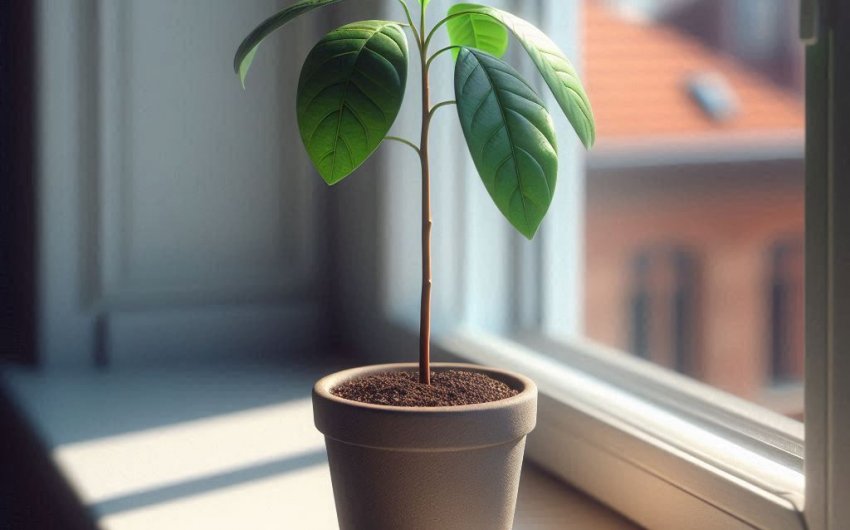
To propagate an avocado plant from a seed, you can choose between the classic water method using toothpicks or direct planting in soil, both requiring patience as the seed germinates and sprouts. Success hinges on a clean seed, consistent moisture, and appropriate light conditions for the emerging seedling.
Why Propagate an Avocado Plant from a Seed?
Propagating an avocado plant from a seed is a popular and rewarding gardening project, even if it doesn't guarantee fruit. It's often done for several reasons.
- Educational Experience: It's a fantastic way to teach children (or yourself!) about germination, plant growth, and patience.
- Cost-Effective: It's virtually free, as you're using a seed from fruit you've already consumed.
- Decorative Houseplant: Avocado plants have attractive, glossy green leaves and can grow into beautiful indoor foliage plants, adding a tropical touch to your home.
- Sense of Accomplishment: There's a unique satisfaction in growing something from a simple seed into a thriving plant.
- Potential for Fruit (Long Shot): While most home-propagated avocado trees from store-bought seeds won't produce fruit (due to genetic variability and environmental factors), there's always a slim chance. Grafted trees are typically needed for reliable fruit production.
How Do You Prepare an Avocado Seed for Propagation?
Proper seed preparation is the first critical step when you want to propagate an avocado plant from a seed.
- Choose a Healthy Seed: Select a seed from a ripe avocado. The larger the seed, the better, as it contains more energy reserves for germination.
- Clean the Seed: Thoroughly wash off all avocado flesh from the seed. Any remaining flesh can mold and rot, hindering germination. A gentle scrub with a soft brush or sponge works well.
- Remove the Seed Coat (Optional but Recommended): The dark brown, thin skin (seed coat) covering the seed can sometimes impede germination. Gently peel it off. You might need to soak the seed in warm water for 15-30 minutes to soften the coat before peeling.
- Identify Top and Bottom: Avocado seeds have a slightly flatter, wider bottom (where the root will emerge) and a slightly pointier top (where the sprout will emerge). It's crucial to orient the seed correctly.
What are the Main Methods to Propagate an Avocado Seed?
There are two primary ways to propagate an avocado plant from a seed: the classic water method and direct soil planting. Both have their advantages.
Method 1: The Water Method (Toothpick Method)
This is the most popular method because it allows you to observe the root and sprout growth, making it a fun educational project.
Supplies You'll Need:
- Clean avocado seed
- 3-4 toothpicks
- Clear glass or jar
- Water (Filtered Water is preferred if your tap water is heavily chlorinated)
Steps:
- Insert Toothpicks: Stick 3-4 toothpicks evenly spaced around the middle of the avocado seed. They should be just deep enough to hold the seed without piercing the inner embryo. These toothpicks will act as a support system.
- Position in Water: Rest the toothpick-suspended seed on the rim of a clear glass or jar filled with water. Ensure the wider, flatter bottom of the seed is submerged in about 1 inch of water. The top (pointy end) should remain above the water.
- Choose a Location: Place the glass in a warm spot with bright, indirect light. A windowsill is often ideal. Avoid direct, scorching sunlight.
- Change Water Regularly: This is crucial to prevent mold and bacterial growth. Change the water every 3-5 days, or whenever it looks cloudy.
- Patience for Germination: This is the longest part! Germination can take anywhere from 2 weeks to 2 months (or even longer). Be patient.
- Signs of Germination: The outer brown seed coat may split. Then, the top of the seed will split open, and a root will emerge from the bottom. Soon after, a sprout will emerge from the top.
- Maintain Water Level: Keep the water level consistent, ensuring the bottom of the seed always remains submerged.
- When to Pot: Once the stem is about 6-7 inches tall and has a few leaves, and the root system is well-developed (3-4 inches long), it's time to transfer it to soil.
Method 2: Direct Soil Planting
This method is less visually dramatic but can sometimes lead to faster overall growth once germination occurs, as the plant avoids the stress of transplanting from water to soil.
Supplies You'll Need:
- Clean avocado seed
- 6-8 inch pot with drainage holes (Terracotta Pot with Drainage works well)
- Well-draining potting mix (Organic Potting Mix is a good choice)
Steps:
- Prepare the Pot: Fill the pot with moist, well-draining potting mix.
- Plant the Seed: Bury the wider, flatter bottom of the avocado seed into the soil, leaving the top 1/2 to 1/3 of the seed exposed above the soil surface. Ensure the pointy end is facing upwards.
- Water Gently: Water thoroughly until water drains from the bottom.
- Choose a Location: Place the pot in a warm spot with bright, indirect light.
- Maintain Moisture: Keep the soil consistently moist but not soggy. Avoid letting it dry out completely.
- Patience for Germination: Similar to the water method, germination can take weeks to months. The sprout will emerge directly from the soil.
How Do You Care for Your Avocado Seedling?
Once your avocado seed has successfully germinated, proper care is essential to help it grow into a healthy plant.
1. Light
- Bright, Indirect Light: Avocado seedlings thrive in bright, indirect light. A south or east-facing window is often ideal indoors.
- Avoid Harsh Direct Sun: While mature avocado trees love sun, young seedlings can get scorched by intense, direct afternoon sun, especially if not acclimated.
- Rotation: Rotate the pot every few days to ensure even growth and prevent the plant from leaning towards the light.
2. Watering
- Consistent Moisture: Avocado plants prefer consistently moist soil. Do not let the soil dry out completely, but also avoid waterlogging.
- Check Soil: Before watering, stick your finger 1-2 inches into the soil. If it feels dry, it's time to water.
- Thorough Watering: Water thoroughly until water drains from the bottom of the pot. Discard any excess water in the saucer immediately.
- Reduce in Winter: In cooler months, or if the plant's growth slows, reduce watering frequency slightly.
3. Humidity
- Prefers High Humidity: As tropical plants, avocados appreciate higher humidity.
- Increase Humidity:
- Mist the leaves daily with a Fine Mist Spray Bottle.
- Place the pot on a pebble tray filled with water (ensure the pot doesn't sit directly in the water).
- Group it with other plants.
- Use a small Plant Humidifier nearby.
4. Fertilizing
- Start Later: Don't fertilize immediately after potting. The seed provides initial nutrients.
- When to Start: Begin fertilizing once the plant has established itself and put out several sets of true leaves, usually a few months after sprouting.
- Type: Use a balanced, all-purpose liquid houseplant fertilizer, diluted to half strength. An Organic Liquid Plant Food is a good choice.
- Frequency: Fertilize once every 2-4 weeks during the active growing season (spring and summer). Reduce or stop in fall and winter.
5. Pruning (Pinching Back)
- Encourage Bushiness: Avocado seedlings tend to grow tall and leggy very quickly. To encourage a bushier plant, you need to pinch back the main stem.
- When to Pinch: When the stem reaches about 6-8 inches tall, pinch off the top two sets of leaves. This encourages the plant to branch out.
- Continue Pinching: Repeat this process every time the new branches reach 6-8 inches, continuing to pinch off the top two sets of leaves. This promotes a fuller, more attractive plant.
6. Repotting
- When to Repot: Avocado plants are fast growers and will quickly outgrow their initial pot. Repot when you see roots growing out of the drainage holes or if growth significantly slows down.
- Pot Size: Go up by only one pot size at a time (e.g., from a 6-inch to an 8-inch pot).
- Fresh Soil: Use fresh, well-draining potting mix each time you repot.
What Are Common Problems When Propagating and Growing Avocado Plants?
Even with the right approach, you might encounter issues when you propagate an avocado plant from a seed.
- Seed Rot/Mold in Water:
- Cause: Not changing water frequently enough, remaining avocado flesh on the seed, or cold water.
- Solution: Change water every 3-5 days. Ensure seed is thoroughly clean. Use room temperature water.
- No Germination:
- Cause: Non-viable seed, cold temperatures, insufficient moisture (in soil method), or burying seed too deep (in soil method).
- Solution: Ensure warmth, consistent moisture, and proper seed orientation. Sometimes, it's just a dud seed. Try another one!
- Leggy Plant:
- Cause: Not enough light. Plant is stretching to find more light.
- Solution: Move to a brighter location. Provide supplemental Grow Lights for Seedlings if indoors.
- Yellowing Leaves:
- Cause: Often overwatering (soggy soil, root rot), but can also be underwatering, nutrient deficiency, or too much direct sunlight.
- Solution: Check soil moisture. If soggy, allow to dry out. Adjust watering frequency. Ensure good drainage. Test soil if suspecting nutrient deficiency.
- Brown Leaf Tips/Edges:
- Cause: Low humidity, inconsistent watering (too dry then too wet), or salt buildup from fertilizer or chlorinated water.
- Solution: Increase humidity (mist, pebble tray). Water consistently. Flush soil occasionally by watering heavily until water flows freely from drainage holes. Use filtered water if tap water is high in chlorine/salts.
- Leaf Drop:
- Cause: Drastic environmental changes (temperature shock, sudden move), severe over or underwatering, pests, or disease.
- Solution: Try to provide consistent conditions. Inspect for pests. Adjust watering.
- Pests (Spider Mites, Mealybugs):
- Cause: Often thrive in dry, warm indoor environments.
- Solution: Inspect regularly. Use insecticidal soap, Neem Oil for Plants, or blast with water. Increasing humidity can deter spider mites.
What Are the Long-Term Prospects for Your Avocado Plant?
While propagating an avocado plant from a seed is fun, it's important to manage expectations for its long-term future, especially regarding fruit production.
- Fruiting (Unlikely Indoors):
- Genetics: A seed-grown avocado tree will be genetically different from its parent. It might never produce fruit, or the fruit could be very different in quality.
- Maturity: If it does fruit, it can take 5-13 years to reach maturity.
- Pollination: Most avocado varieties need cross-pollination from a compatible tree (Type A and Type B bloom types). Having only one seedling makes fruit set unlikely.
- Environment: Indoor conditions rarely provide the sustained sunlight, heat, and space needed for a full-sized fruiting tree.
- Outdoor Potential (Warm Climates): If you live in a USDA Zone 9-11 (or similar warm, frost-free climate) and have ample outdoor space, you can plant your avocado tree outside once it's mature enough (usually 2-3 feet tall). Even then, commercial growers usually graft known fruiting varieties onto rootstock for reliable yields.
- Decorative Houseplant: Embrace your avocado plant for what it most likely will be: a beautiful, leafy houseplant that brings a touch of the tropics indoors. Its glossy foliage and upright growth habit make it an attractive addition to any home.
Propagating an avocado plant from a seed is a delightful journey that offers valuable lessons in botany and patience. While growing your own avocados from scratch can be a lengthy process with an uncertain outcome for fruit, the satisfaction of nurturing a plant from a simple pit into a thriving green specimen is a reward in itself.