
How to Know When Your Pineapple Plant Is Ready to Produce Fruit?
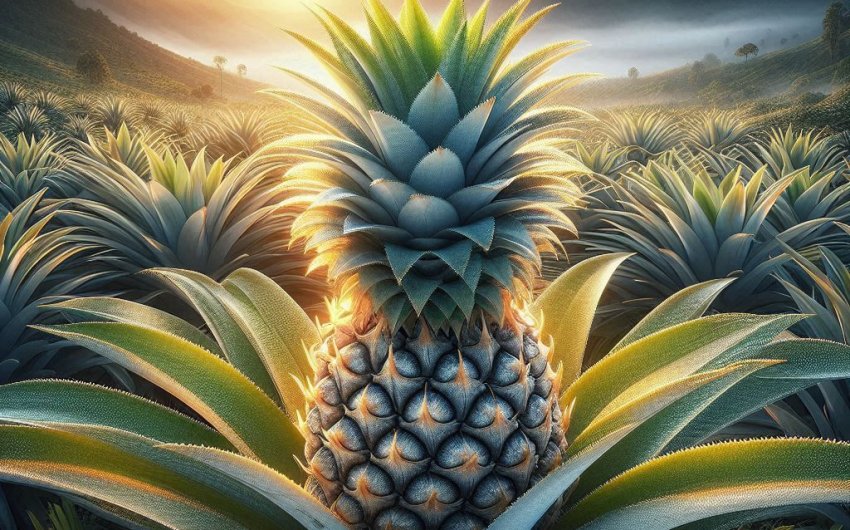
Knowing when your pineapple plant is ready to produce fruit involves observing its maturity, size, and the environmental conditions it has experienced, typically a period of 18-24 months from planting. Look for a fully mature plant with at least 30-40 healthy leaves before expecting or inducing a bloom.
Why Does Pineapple Fruiting Take So Long?
Pineapple plants are unique, slow-growing tropical bromeliads that require specific conditions and a significant amount of time to reach the maturity needed for fruit production. This prolonged journey is a natural part of their life cycle.
Understanding the Pineapple Plant's Life Cycle
- Growth from Crown/Slip/Sucker: A pineapple plant typically begins its life from a pineapple top (crown), a slip (small plantlet from the base of the fruit), or a sucker (offset from the mother plant).
- Vegetative Growth Phase: This is the longest phase, lasting 18 to 24 months (or even up to 3 years) depending on the variety, climate, and growing conditions. During this period, the plant is solely focused on growing large, healthy leaves and developing a robust root system.
- Energy Accumulation: The leaves are the plant's "solar panels," gathering energy through photosynthesis. This energy is stored, primarily as carbohydrates, which are necessary to fuel the massive energy expenditure required for flowering and fruiting.
- Minimum Leaf Count/Size: For a plant to be considered mature enough to fruit, it generally needs to have at least 30-40 healthy, fully developed leaves. The larger and healthier the plant, the more energy it has stored, and the better its chances of producing a large, sweet fruit.
- Induction/Flowering Phase: Once enough energy is stored, the plant naturally enters its reproductive phase. A flower stalk (inflorescence) emerges from the center of the leafy rosette. This stalk is made up of many small individual flowers that will eventually fuse to form the composite pineapple fruit.
- Fruiting Phase: After flowering, it takes approximately 3 to 6 months for the fruit to mature and ripen, again depending on conditions and variety.
- Post-Fruiting Phase: After producing its main fruit, the mother plant will typically produce new suckers or slips around its base. These can be removed and replanted to start the cycle again, extending your pineapple harvest for years to come. The mother plant will eventually die back after fruiting.
The prolonged vegetative phase is essential for the pineapple plant to be ready to produce fruit, ensuring it has accumulated sufficient resources to support the significant energy demand of fruit development. Patience is truly a virtue when growing pineapples!
What are the Key Signs Your Pineapple Plant is Mature Enough to Fruit?
Before your pineapple plant is ready to produce fruit, it must reach a certain level of maturity and size. Observing these visual cues is crucial before expecting or attempting to induce flowering.
Visual Indicators of a Mature Pineapple Plant
- Age:
- The most basic indicator. As mentioned, your plant should be at least 18-24 months old from the time you planted the crown, slip, or sucker. Some varieties or less ideal conditions can extend this to 3 years.
- Size and Vigor:
- A mature plant will be substantial in size. It should be at least 2-3 feet tall and wide (60-90 cm) from the soil surface to the top of the leaves.
- The leaves should be dark green, healthy, and robust, not yellowing, stunted, or showing signs of stress.
- Number of Leaves:
- Count the healthy, fully developed leaves. A plant is generally considered mature enough to fruit when it has at least 30 to 40 active leaves. These leaves are the energy factories for the upcoming fruit.
- Thick, Sturdy Base:
- The base of the plant, where the leaves emerge, should be thick and solid, indicating a well-developed root system capable of supporting the large fruit.
- Formation of a "Rosette" Pattern:
- The leaves will form a distinct, tight rosette. As the plant approaches maturity, the center of this rosette might become slightly more compact or show subtle changes in growth pattern before a flower stalk emerges.
- No Signs of Stress:
- A plant that is stressed (e.g., from too little water, too much cold, nutrient deficiency, or pest infestation) will put its energy into survival, not reproduction. A healthy, stress-free plant is a prerequisite for fruiting.
Table: Maturity Check for Pineapple Plants
| Indicator | What to Look For | Ideal State for Fruiting |
|---|---|---|
| Age | Time since planting crown/slip/sucker | 18-24 months (or up to 3 years) |
| Height & Width | Overall size of leafy rosette | At least 2-3 feet (60-90 cm) tall/wide |
| Leaf Count | Number of healthy, fully developed leaves | 30-40+ active leaves |
| Leaf Color/Health | Absence of yellowing, wilting, or significant damage | Dark green, robust, vibrant |
| Base Sturdiness | Feel of the central stalk at soil line | Thick and solid, well-rooted |
| Overall Vigor | General appearance of growth | Strong, healthy, actively growing |
By carefully observing these signs, you'll have a good indication of when your pineapple plant is ready to produce fruit, or at least ready to be encouraged to do so.
How Do Environmental Conditions Influence Pineapple Fruiting?
Even if your pineapple plant is mature, environmental factors play a huge role in when it is ready to produce fruit. Ideal conditions encourage natural flowering, while suboptimal ones can delay or prevent it.
Key Environmental Factors for Pineapple Fruiting
- Temperature:
- Ideal Range: Pineapple plants thrive and flower best in consistently warm temperatures, ideally between 68-86°F (20-30°C).
- Cold Stress: Prolonged exposure to temperatures below 60°F (15°C) will slow down growth and can delay or prevent fruiting. Freezing temperatures will kill the plant.
- Temperature Fluctuations: A slight drop in nighttime temperatures, combined with consistent warmth during the day, can sometimes help induce flowering in mature plants.
- Sunlight:
- Full Sun: Pineapple plants need plenty of sunlight, ideally at least 6-8 hours of direct sunlight per day.
- Impact: Insufficient light will lead to weak, leggy growth and significantly delay or completely prevent fruiting, as the plant cannot produce enough energy.
- Watering:
- Consistent Moisture: Pineapple plants need consistent moisture, especially during their active growth phase. The soil should be kept evenly moist, but never waterlogged.
- Avoid Overwatering: This is critical! Overwatering is the quickest way to kill a pineapple plant due to root rot. Allow the top inch or two of soil to dry out before watering again.
- Impact: Both drought stress and overwatering stress can delay or prevent fruiting.
- Humidity:
- High Humidity: As tropical plants, pineapples prefer high humidity (around 70-80%).
- Impact: While they can tolerate lower humidity, very dry air can stress them, potentially slowing growth and flowering. Misting indoor plants or placing them on a pebble tray can help.
- Nutrient Availability and Fertilization:
- Balanced Nutrients: A consistent supply of balanced nutrients is vital for strong vegetative growth, which directly precedes fruiting.
- Potassium (K): Once the plant is mature, a fertilizer with a slightly higher potassium content (the third number in the NPK ratio) can help encourage flowering and fruit development.
- Regular Feeding: Fertilize regularly during the growing season (spring and summer) with a balanced, slow-release granular fertilizer or a liquid feed. Avoid over-fertilizing with nitrogen, which can lead to excessive leafy growth at the expense of fruit.
- Soil Health:
- As discussed, well-draining, slightly acidic, rich organic matter soil is crucial. Poor soil conditions will stress the plant and inhibit fruiting.
By providing these optimal environmental conditions, you significantly increase the chances of when your pineapple plant is ready to produce fruit naturally, setting the stage for a sweet harvest.
How Can You Induce Fruiting in a Pineapple Plant?
Sometimes, even a mature pineapple plant might be reluctant to flower on its own. Fortunately, you can induce fruiting using simple, natural methods that simulate environmental triggers. This is a common practice to get your pineapple plant ready to produce fruit on your schedule.
Natural Methods for Inducing Pineapple Fruiting
The most common and effective method involves exposing the plant to ethylene gas. Ethylene is a natural plant hormone that triggers flowering in pineapples.
- Using Ripe Apples or Bananas (Ethylene Source):
- Mechanism: Ripe fruits, especially apples and bananas, release ethylene gas as they ripen.
- Method 1 (Bagging):
- Ensure your pineapple plant is mature enough (18-24 months old, 30-40+ leaves, healthy).
- Place a few very ripe apple pieces or banana peels directly into the center "cup" or rosette of the pineapple plant.
- Cover the entire plant (pot and all) with a large, clear plastic bag. Seal the bag loosely around the base of the plant to trap the ethylene gas.
- Place the bagged plant in a cool, shaded area for 1-2 weeks. Direct sun can cook the plant inside the bag.
- After 1-2 weeks, remove the bag and the fruit pieces. Place the plant back in its sunny location and resume normal care.
- Method 2 (Ethylene Generating Product): Some nurseries sell ethylene-generating tablets designed for this purpose. Follow product instructions carefully.
- Calcium Carbide (More Potent, Use with Caution):
- Mechanism: When calcium carbide reacts with water, it produces acetylene gas, which acts similarly to ethylene in inducing flowering.
- How to Use (Extreme Caution!): This method is more common in commercial settings due to the flammability of acetylene. If attempting, use very small amounts (a few grams) of calcium carbide wrapped in paper, place it in the center cup, and pour a little water over it. Cover lightly. Do this outdoors. Highly flammable and potentially dangerous if not handled correctly. Not generally recommended for home gardeners.
- Dry Stress (Less Common for Home Gardeners):
- Mechanism: In some commercial settings, a period of drought stress followed by rewatering can sometimes induce flowering.
- How to Use (with caution): Allow a very mature plant to dry out slightly more than usual (but not to the point of wilting) for a week or two, then resume normal watering. This is a stressor and should be used cautiously to avoid harming the plant.
What to Expect After Induction:
- Timeline: If successful, you should see a flower stalk emerge from the center of the plant within 4-8 weeks after induction.
- Appearance: The flower stalk will appear as a small, compact cone that changes color, usually turning reddish or purple. This is the inflorescence, the beginning of your pineapple fruit!
- Patience is Still Key: Even after successful induction, it will take another 3-6 months for the fruit to fully develop and ripen.
Inducing fruiting can be an exciting way to encourage your mature pineapple plant to produce fruit, but remember that success depends heavily on the plant's overall health and maturity beforehand.
How Do You Care for a Pineapple Plant During Fruiting?
Once your pineapple plant is ready to produce fruit and the flower stalk emerges, its care shifts to supporting the developing fruit. Proper nutrition and protection are key for a sweet and substantial harvest.
Nurturing Your Fruiting Pineapple Plant
- Continued Sunlight:
- Maintain the highest level of sunlight exposure (6-8+ hours direct sun daily). Sunlight is crucial for fruit development and sweetness.
- Consistent Watering:
- Crucial during fruiting: Do not let the plant dry out during fruit development. Water regularly and deeply, ensuring the soil remains consistently moist but never soggy.
- Check Daily: Feel the top inch or two of soil. If dry, water.
- Overwatering remains a risk: Always ensure good drainage.
- Fertilization (Adjusted):
- As the fruit develops, the plant has a high demand for nutrients.
- Shift to Higher Potassium: Use a fertilizer with a higher potassium (K) content (the third number in the NPK ratio), as potassium is vital for fruit size, sweetness, and overall quality. A fertilizer like 5-10-10 or a fruit tree fertilizer can be beneficial.
- Application: Apply liquid fertilizer every 2-4 weeks or a slow-release granular fertilizer as per package instructions during the fruiting period.
- Remove Slips and Suckers (Optional but Recommended):
- As the main fruit develops, the plant will often produce "slips" (small plantlets at the base of the fruit) and "suckers" (offsets growing from the base of the mother plant).
- Why Remove: These consume energy that the mother plant could put into developing the main fruit, leading to smaller or less sweet fruit.
- How to Remove: Gently twist or cut them off once they are about 6 inches long. These can then be rooted to start new pineapple plants!
- Exception: You can leave one or two suckers on the mother plant if you want the mother plant to produce a second, smaller fruit after the main one is harvested, but this can shorten the mother plant's overall life.
- Pest and Disease Monitoring:
- Inspect your fruiting plant regularly. Pests like mealybugs or scale can sometimes attack. Treat with organic solutions (e.g., insecticidal soap or neem oil) as needed, being careful not to spray the developing fruit directly.
- Support for Heavy Fruit:
- As the fruit grows, it can become quite heavy. The stalk might bend or snap under the weight.
- Provide Support: Use a sturdy stake (bamboo or metal) and gently tie the fruit stalk to it for support. This prevents the fruit from touching the ground, which can lead to rot or pest issues. You can find simple plant stakes for this purpose.
By providing consistent care and targeted nutrition, you can ensure your pineapple plant yields a delicious, healthy fruit after all your efforts.
How Do You Know When Your Pineapple Fruit is Ripe and Ready to Harvest?
The final, exciting step in growing your pineapple plant to produce fruit is knowing precisely when to harvest. Harvesting at the right time ensures maximum sweetness and flavor.
Key Indicators of Ripe Pineapple Fruit
Pineapple ripeness is primarily determined by a combination of visual cues, scent, and touch. It usually takes 3 to 6 months from the appearance of the flower head for the fruit to fully ripen.
- Color Change (Most Obvious Sign):
- The most reliable visual indicator. A ripening pineapple will start to turn yellow or orange from the bottom upwards.
- The degree of yellowing depends on the variety. Some may be completely yellow, while others are ready when only 2/3rds of the fruit has turned yellow.
- Avoid harvesting if the fruit is entirely green; it will be tart and woody.
- Aroma (Smell Test):
- Hold your nose close to the base of the fruit (near where it attaches to the stalk).
- A ripe pineapple will emit a distinct, sweet, pineapple fragrance.
- If there's no smell, it's not ready. If it smells fermented or overly sweet, it might be overripe.
- Firmness (Touch Test):
- Gently squeeze the fruit. A ripe pineapple should feel slightly soft or springy to the touch, especially near the base.
- If it's rock hard, it's not ready. If it's very soft or mushy, it's overripe.
- "Eyes" Flattening:
- The individual fruitlets, or "eyes," on the pineapple's surface will plump up and flatten out as the fruit ripens, losing their pointed appearance.
- Easiest Crown Pull (Less Reliable):
- A common old wives' tale suggests that a ripe pineapple's crown will easily pull out with a gentle twist. While it often works for store-bought pineapples, it's not always reliable for homegrown ones and can damage the plant if the fruit isn't truly ready. Rely more on color and smell.
How to Harvest:
- Cut, Don't Pull: When you've determined the fruit is ripe, use a sharp, clean knife to cut the stalk cleanly below the pineapple fruit.
- Leave the Plant: Do not pull the fruit off, as this can damage the mother plant and any developing suckers.
Post-Harvest:
- Unlike some fruits, pineapples do not continue to ripen significantly once detached from the plant. The sweetness is developed on the plant. A green pineapple will soften slightly off the plant but won't get sweeter.
- You can twist off the crown of your harvested fruit and plant it to start your next pineapple plant to produce fruit again!
By paying close attention to these ripening indicators, you'll be able to harvest your homegrown pineapple at its peak flavor and enjoy the truly rewarding taste of your efforts in growing a pineapple plant to produce fruit.