
How to Know When Your Pomegranates Are Ripe and Ready to Harvest?
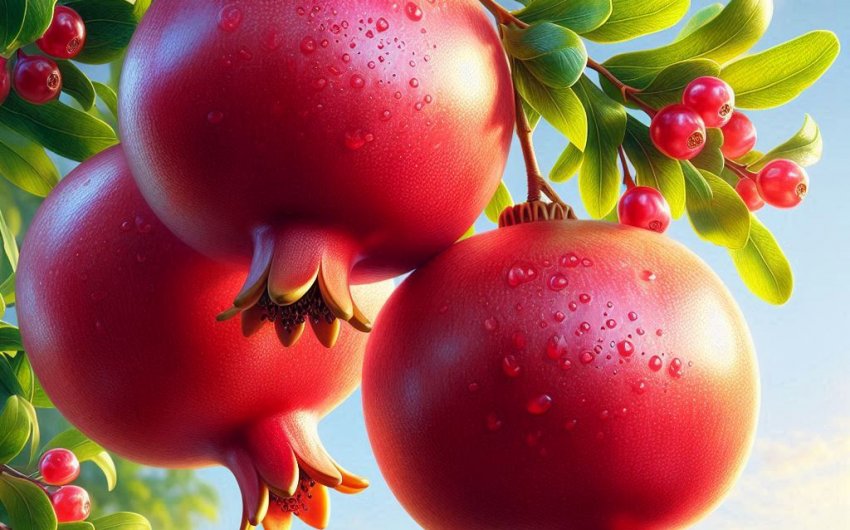
Knowing when your pomegranates are ripe and ready to harvest is key to enjoying their best flavor and juiciness. You'll primarily rely on a combination of visual cues, sound, and a bit of patience, as pomegranates do not ripen further once picked.
What Time of Year Do Pomegranates Ripen?
Pomegranates typically ripen in the late summer to fall, depending on your climate zone and the specific variety you are growing. The harvest season usually runs from September through November in most northern hemisphere regions.
Factors Influencing Ripening Time:
- Climate Zone: Warmer climates will see pomegranates ripen earlier than cooler zones. For instance, in USDA zones 9-11, where pomegranates thrive, they can be ready from late August through October. In cooler zones, if they grow, ripening might be pushed to late September or October.
- Variety: Different pomegranate varieties have different maturity dates. Some early varieties might be ready in late August, while late-season varieties could hold on the tree until November or even December in mild climates.
- Early Varieties: 'Wonderful' is a common late-season variety. 'Eversweet' and 'Ambrosia' are often earlier.
- Late Varieties: 'Grenada' and 'Wonderful' (though 'Wonderful' is more mid to late season for many).
- Weather Conditions: A long, hot summer is ideal for sweet, fully developed pomegranates. Cooler, cloudier summers can delay ripening or result in less sweet fruit.
- Tree Age: Younger trees might produce fruit that ripens slightly differently than mature trees. Fruit from a young tree may be smaller.
- Sun Exposure: Fruit exposed to more direct sunlight tends to ripen faster and develop better color and sweetness.
What Color Should Ripe Pomegranates Be?
The color of a pomegranate is one of the most reliable visual indicators of ripeness. Ripe pomegranates will show a deep, rich color that is uniform across the entire fruit.
Understanding Color Changes:
- From Green to Red/Pink/Yellow: Young pomegranates start as green. As they mature, their skin color changes to a characteristic hue, which varies by variety.
- Red Varieties: 'Wonderful' is the most well-known. Ripe fruit will turn a deep, vibrant red. Not just a blush, but a substantial color change.
- Pink Varieties: Some varieties, like 'Eversweet', might ripen to a rich pink hue, not a true red.
- Yellow/Orange Varieties: A few varieties, such as 'Balegal', can ripen to a golden yellow or orange with red blush.
- Full Color Development: The key is that the color should be fully developed and consistent over the entire fruit, not just on one side. A green tint, especially near the stem, indicates it's still ripening.
- Glossiness: Ripe pomegranates often lose some of their initial shiny, smooth appearance. The skin might become slightly duller.
Important Note on Color:
While color is a good guide, it's not the only factor. A fruit might look fully red but still not be perfectly ripe inside if other conditions aren't met. Always consider color in combination with other signs. Some varieties, even when fully ripe, may not achieve a deep red color. It's crucial to know your specific variety and what its ripe color looks like.
How Does Shape Change Indicate Ripeness?
The shape of a pomegranate subtly changes as it ripens, becoming more angular and less perfectly round. This is due to the arils (juice sacs) inside swelling with juice and pressing against the fruit's skin.
Recognizing the Shape Transformation:
- From Round to Hexagonal/Square-ish: Young pomegranates are typically round and smooth. As they ripen, the internal arils expand, causing the skin to stretch and create noticeable flat sides or even a somewhat hexagonal or square shape. You might see distinct ridges or bumps.
- Feeling the Bulges: When you gently cup a ripe pomegranate in your hand, you should be able to feel the individual arils pressing against the skin. The fruit will feel less like a firm, smooth ball and more like a bag packed full of seeds.
- Lack of Roundness: If a pomegranate is still perfectly round and smooth, it's likely not fully ripe. It needs more time for the arils to plump up.
This textural and shape change is a strong indicator that the fruit is bursting with juice, signifying maturity and readiness for harvest. It's a key tactile cue that complements the visual color change.
What Does a Ripe Pomegranate Sound Like?
The sound a pomegranate makes when tapped is a surprisingly reliable indicator of its ripeness. This is one of the oldest tricks for assessing maturity.
The "Metallic Thunk" Test:
- Ripe Sound: A ripe pomegranate, when gently tapped with your knuckles, will produce a deep, metallic, hollow, or tinny sound, sometimes described as a "thunk" or "ringing" sound. This indicates that the arils inside are fully plump with juice, and the cavity is completely filled.
- Unripe Sound: An unripe pomegranate, when tapped, will sound duller and more muffled, almost like tapping on a solid object. This means the arils haven't fully developed, and there might still be more air space inside.
- Overripe/Damaged Sound: If the sound is too flat or watery, it might indicate overripeness or internal damage.
How to Perform the Tap Test:
- Gently hold the pomegranate in one hand.
- With the knuckles of your other hand, gently tap several spots on the fruit.
- Listen for that distinctive metallic or hollow "thunk."
Practice makes perfect with this method. After tapping a few pomegranates, you'll start to discern the subtle differences in sound that indicate optimal ripeness.
How Does Weight Indicate Ripeness?
A ripe pomegranate will feel surprisingly heavy for its size. This increased weight is a direct result of the arils inside filling up with sweet, juicy pulp.
Feeling the Weight Difference:
- Heavy for Size: Pick up a pomegranate and hold it in your palm. A ripe one will feel dense and substantial. Compare it to one you know is unripe or to other fruits of similar size. You'll notice a significant difference.
- Juice Content: The heavier the fruit, the more juice it contains. This is because the arils are plump and bursting with liquid.
- Density: Unripe pomegranates are less dense. They might feel light or even hollow, despite their size. This indicates the arils haven't fully developed their juice content.
Combined with the tactile feeling of the angular shape and the sound test, the weight test provides excellent confirmation of a fruit ready for harvest. It's a key indicator of its internal juiciness.
What is Skin Texture Like on a Ripe Pomegranate?
The skin texture of a pomegranate changes subtly but noticeably as it ripens. It often becomes slightly less smooth and may show minor imperfections.
Changes in Skin Surface:
- Slightly Leathery: As the arils swell, the skin stretches. It might lose its initial taut smoothness and take on a slightly leathery or tougher feel.
- Minor Blemishes: Small cracks, scuffs, or minor sunspots are common on ripe pomegranates. These are generally superficial and do not affect the quality of the arils inside.
- No Green Tint: The absence of any green patches or tinges, especially near the crown (calyx) or stem end, is important. A uniform color, even with some imperfections, signifies ripeness.
- Avoid Soft Spots or Cracks: While minor scuffs are okay, avoid pomegranates with large, soft, or mushy spots, or large cracks. These can indicate overripeness, pest damage, or rot.
- Wrinkling (Overripe): Excessive wrinkling or shriveling of the skin indicates the fruit is past its prime or has dried out, and the arils inside may be dehydrated or fermented.
The ideal skin texture is firm, slightly leathery, and free from major blemishes, reflecting the juicy arils within.
Does the Calyx (Crown) Indicate Ripeness?
The calyx, often referred to as the crown or flower end of the pomegranate, can also offer clues about ripeness, though it's a less definitive indicator than others.
What to Look For in the Calyx:
- Opened or Spreading Calyx: On a fully ripe pomegranate, the calyx (the remaining part of the flower at the top) might look a bit more open, dry, and flared out. It may have a slightly woody or stiff texture.
- Drying Out: The tiny leaf-like structures around the calyx may start to dry out and turn brownish. This is a sign that the fruit has completed its growth cycle.
- No Green: Just like the rest of the skin, the calyx area should not have any prominent green color.
Limitations of the Calyx as an Indicator:
While a widely open or dry calyx can suggest ripeness, it's not foolproof. Some varieties may always have a more closed calyx, or environmental factors could affect its appearance. Always use the calyx observation in conjunction with other, more reliable indicators like color, shape, sound, and weight. It's a secondary confirmation, not a primary one.
What if My Pomegranate Cracks Open?
A pomegranate cracking open on the tree is a strong sign that it is very ripe, but it can also be a sign of inconsistent watering. While it means the arils are bursting with juice, it also indicates the fruit needs to be harvested immediately.
Reasons for Cracking:
- Peak Ripeness: When arils swell to their maximum juiciness, the skin simply can't stretch any further and splits. This often occurs when the fruit is at its sweetest and most flavorful.
- Inconsistent Watering: The most common cause of cracking. If the tree experiences dry periods followed by heavy watering (either from rain or irrigation), the arils rapidly take up water and swell too quickly, causing the skin to burst.
- High Humidity: A sudden increase in humidity combined with water uptake can also contribute to cracking.
What to Do with Cracked Pomegranates:
- Harvest Immediately: Once a pomegranate cracks, it is highly susceptible to mold, rot, and pest infestation (like fruit flies). Harvest it as soon as you notice the crack.
- Check for Spoilage: Carefully inspect the arils inside. If there's any sign of mold or fermentation, discard the affected parts or the entire fruit.
- Eat Soon: Cracked pomegranates should be consumed very soon after harvest, as their shelf life is significantly reduced.
To minimize cracking, ensure your pomegranate tree receives consistent watering, especially as the fruit matures. Drip irrigation systems are excellent for this. You can find a reliable Drip Irrigation Kit to help manage water delivery.
How to Harvest Pomegranates from the Tree?
Harvesting pomegranates properly is important to avoid damaging the fruit or the tree. Unlike apples or peaches, pomegranates don't easily pull off the branch.
Tools for Harvesting:
- Sharp Pruning Shears or Loppers: These are essential. A good quality pair of Fiskars Bypass Pruners will make clean cuts.
- Gloves: Pomegranate branches can be thorny, especially on younger trees or certain varieties.
- Basket or Crate: For collecting the harvested fruit.
Step-by-Step Harvesting:
- Inspect for Ripeness: Before cutting, double-check all the ripeness indicators: full color, angular shape, heavy weight, and a metallic sound when tapped.
- Locate the Stem: Find the stem connecting the pomegranate to the branch.
- Make a Clean Cut: Using your sharp pruning shears, make a clean cut as close to the main branch as possible, leaving about 1/2 to 1 inch (1.2-2.5 cm) of stem attached to the fruit. Do not twist or pull the fruit, as this can damage the branch or cause the fruit to split.
- Handle Gently: Pomegranates can bruise easily. Place harvested fruit gently into your basket or crate. Avoid tossing or dropping them.
- Harvest Over Time: Pomegranates on the same tree may not ripen all at once. Check your tree every few days or weekly during the harvest season and pick only the fruit that is fully ripe.
How Do I Store Ripe Pomegranates?
Proper storage is key to enjoying your fresh pomegranates for as long as possible after harvest. Their tough skin makes them excellent keepers.
Short-Term Storage (Countertop):
- Duration: Whole, ripe pomegranates can be stored at room temperature (60-70°F / 15-21°C) for several days to up to 2 weeks if your home is relatively cool and dry.
- Location: Place them in a cool, dark, well-ventilated spot, away from direct sunlight or heat sources.
- Air Circulation: Do not store them in an airtight container or plastic bag, as this can trap moisture and encourage mold.
Long-Term Storage (Refrigeration):
- Duration: Whole pomegranates can be stored in the refrigerator for an extended period, typically 1 to 2 months, or even longer for some varieties.
- Method: Place them in a loosely sealed plastic bag or simply in the crisper drawer of your refrigerator.
- Check Regularly: Periodically check for any signs of spoilage, mold, or softness.
Storing Arils (Seeds):
If you've deseeded your pomegranates, the arils can also be stored:
- Refrigeration: Fresh arils can be stored in an airtight container in the refrigerator for up to 5-7 days.
- Freezing: For longer storage, spread arils in a single layer on a baking sheet and freeze until solid. Then transfer them to freezer-safe bags or containers. They will keep in the freezer for several months to up to a year. Frozen arils are great for smoothies, salads, or as a garnish, though their texture might be slightly softer when thawed.
Proper storage ensures you can savor the juicy goodness of your homegrown pomegranates long after the harvest season has ended.
Can Underripe Pomegranates Ripen Off the Tree?
No, pomegranates do not ripen further once they are picked from the tree. Unlike climacteric fruits such as bananas or tomatoes, pomegranates are non-climacteric. This means they will not increase in sweetness, juiciness, or color after harvest.
Implications for Harvesting:
- Pick When Fully Ripe: This is why it's crucial to harvest your pomegranates only when all the signs point to full ripeness while they are still on the tree. If you pick an unripe pomegranate, it will remain unripe.
- Taste Test (If Unsure): If you're unsure about a particular fruit, especially from a new variety, you can pick one fruit that shows most signs of ripeness and taste a few arils. If it's sweet and juicy, the others showing similar signs are likely ready.
- Patience is Key: It's better to wait a little longer for the fruit to fully mature on the tree than to pick it too early and end up with tart, less flavorful arils.
This characteristic makes observing the various ripeness indicators even more vital. By waiting for all the right signals, you ensure you harvest pomegranates at their peak of flavor and quality.