Composting Gardening Tips and Plant Care
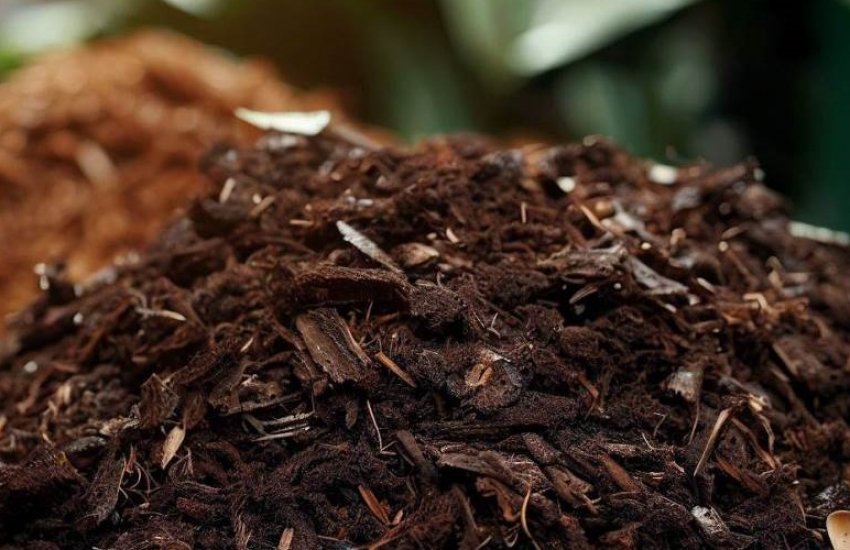
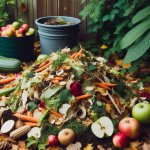
Composting is nature's way of recycling, turning everyday kitchen scraps and garden waste into rich, nutritious soil that plants love. Whether you're new to composting or looking to enhance your existing setup, GardenBotany.com offers easy-to-follow guides, practical tips, and solutions to common composting challenges. Discover how composting can significantly reduce household waste, improve your garden's health, and support a greener lifestyle—all while saving money and helping the environment thrive.
Recent Posts of Composting - Gardening Ideas
-

What Not to Put in Your Compost Bin and Why?
Understanding what not to put in your compost bin and why is just as crucial as knowing what to include for successful decomposition. A well-managed compost pile relies on a careful balance of "greens" (nitrogen-rich materials) and "browns" (carbon-rich materials), along with proper aeration and moisture. Introducing inappropriate items can slow down the composting process, attract unwanted pests, create foul odors, or introduce harmful pathogens and chemicals into your finished compost, ultimately compromising its quality and safety for your garden.
-
How to Start Vermicomposting for Beginners?
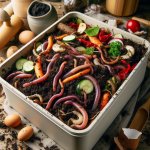
Embarking on the journey of how to start vermicomposting for beginners is an incredibly satisfying and sustainable way to transform everyday kitchen scraps into a gardener's "black gold." This fascinating process, which uses special composting worms to break down organic waste, yields highly fertile soil amendments while simultaneously diverting a significant portion of household waste from landfills. It's a surprisingly low-odor, easy-to-manage system that can even be set up indoors, making it accessible for almost anyone, regardless of garden space.
-
Best Tips for Turning Your Compost Pile Efficiently
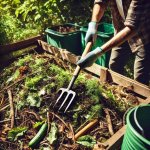
Turning your compost pile isn't just a chore; it's a vital step in transforming organic waste into rich, nutrient-dense compost, often called "black gold" by gardeners. While nature will eventually break down organic matter on its own, actively turning your pile significantly speeds up the decomposition process, prevents odors, and ensures a consistently high-quality end product. Mastering the best tips for turning your compost pile efficiently will not only make the task easier but also maximize the benefits for your garden.
-
Advertisement
-
How to Compost in Small Apartments Without a Backyard?
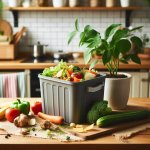
Discovering how to compost in small apartments without a backyard is a game-changer for eco-conscious urban dwellers, demonstrating that a commitment to sustainability isn't confined to homes with ample outdoor space. Despite limited square footage, various innovative indoor composting methods allow you to divert organic waste from landfills, reducing your environmental footprint and, in many cases, producing nutrient-rich soil amendments for your houseplants or community gardens. Embracing apartment-friendly composting solutions proves that even in compact living areas, contributing to a healthier planet is entirely achievable.
-
How to Start a Compost Pile Without a Bin?
Creating your own compost pile is a fantastic way to turn kitchen scraps and yard waste into nutrient-rich soil, even if you don't have a fancy bin. You can easily build a bin-less compost pile right in your backyard, improving your garden and reducing landfill waste. This method is often called a compost heap or a compost pile. It’s all about layering different materials and letting nature do its work.
-
What Can I Compost in My Kitchen?
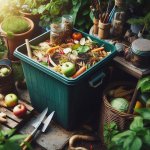
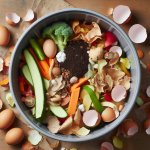
You can compost a wide variety of materials from your kitchen, primarily fruit and vegetable scraps, coffee grounds, tea bags, and eggshells, which are rich in nitrogen (greens) or minerals. Composting these items diverts waste from landfills and creates nutrient-rich soil amendment for your garden.
-
How to Fix Smelly Compost Piles Easily?
A healthy compost pile should smell earthy and pleasant, like rich forest soil after a rain. If your compost is giving off a strong, unpleasant odor, it’s a clear sign that something is out of balance. Don't worry, a smelly pile isn't a ruined pile; it just needs a little attention to get back on track. Understanding why your compost smells bad is the first step to fixing it.
-
Best Worms for Indoor Composting Bins
Turning kitchen scraps into nutrient-rich fertilizer might sound like magic, but it's a very real and achievable process thanks to the power of tiny, diligent helpers: composting worms. For those looking to reduce waste, create valuable soil amendments, and delve into a fascinating corner of gardening, indoor composting bins are an ideal solution. However, not just any worm will do the trick. Selecting the best worms for indoor composting bins is crucial to ensuring a thriving vermicomposting system that efficiently transforms your food waste into gardeners' gold – worm castings. This guide will help you choose the right wigglers for your indoor setup.
-
How to Make Compost Faster at Home Naturally?
Accelerating the decomposition process is key to how to make compost faster at home naturally, transforming kitchen scraps and yard waste into nutrient-rich garden gold in a significantly shorter timeframe. While composting is inherently a natural process, strategic management of environmental factors and material composition can dramatically speed up microbial activity. By understanding and actively applying a few simple principles, you can unlock the full potential of your compost pile, yielding finished product more quickly for a thriving, sustainable garden.
-
How to Make DIY Compost Tea for Plants?
Compost tea is a natural, nutrient-rich liquid fertilizer that can transform your garden and indoor plants. It's simple to make, affordable, and a powerful way to support plant health and soil vitality. Whether you’re a seasoned gardener or just starting with a few houseplants, making compost tea can help plants thrive by enhancing growth, boosting resistance to pests, and improving overall soil quality.