Composting Gardening Tips and Plant Care
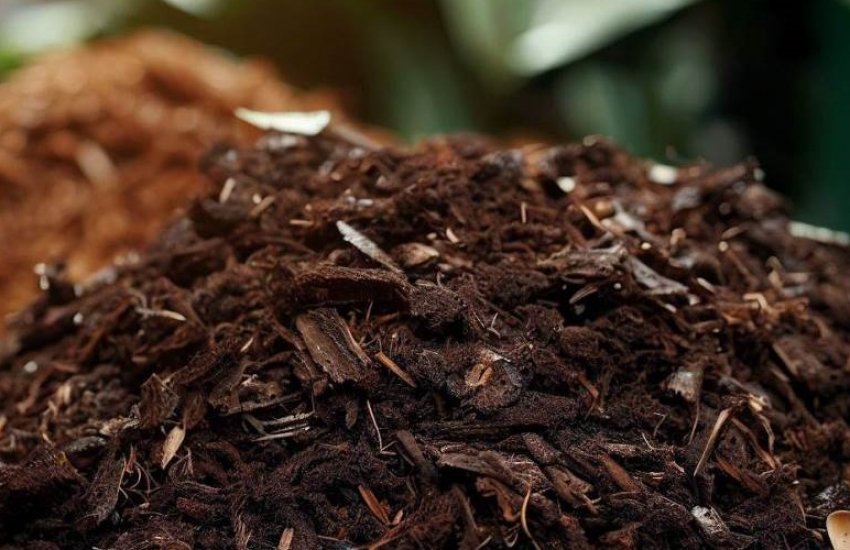
Composting is nature's way of recycling, turning everyday kitchen scraps and garden waste into rich, nutritious soil that plants love. Whether you're new to composting or looking to enhance your existing setup, GardenBotany.com offers easy-to-follow guides, practical tips, and solutions to common composting challenges. Discover how composting can significantly reduce household waste, improve your garden's health, and support a greener lifestyle—all while saving money and helping the environment thrive.
Recent Posts of Composting - Gardening Ideas
-

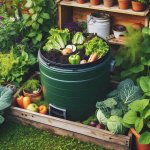
Setting Up a Compost Tumbler: A Step-by-Step Guide
Setting up a compost tumbler is a straightforward way to recycle kitchen and yard waste into rich, nutritious compost. With just a little time and effort, you can create a sustainable source of organic fertilizer right in your backyard, helping to reduce waste and nurture your plants at the same time.
-
Top Organic Fertilizers for Vegetable Gardens
The top organic fertilizers for vegetable gardens are derived from natural sources, enriching soil health and providing nutrients gradually for sustained plant growth. Key choices include compost, aged manures, bone meal, blood meal, and kelp meal, each offering a unique blend of essential elements and fostering a thriving soil microbiome. Selecting the right organic fertilizer helps ensure a bountiful and healthy harvest.
-
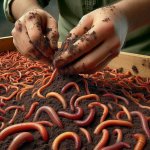
How to Make a Worm Farm for Easy Composting?
Making a worm farm for easy composting involves creating a suitable habitat for composting worms, typically using a stackable bin system or a simple single-level bin. The process is remarkably efficient for breaking down kitchen scraps into nutrient-rich vermicompost and liquid "worm tea" using very little effort.
-
Advertisement
-
Best Ways to Attract Earthworms to Your Garden
Earthworms are often referred to as “nature’s tillers” due to their ability to naturally aerate and enrich soil. These remarkable creatures improve soil health by breaking down organic matter, enhancing nutrient availability, and improving soil structure. Attracting earthworms to your garden can lead to healthier, more productive plants. Here are the best methods to attract earthworms and boost your garden’s fertility.
-
Best Drought-Tolerant Herbs for Dry Climates
The best drought-tolerant herbs for dry climates are often native to Mediterranean regions, possessing adaptations like silvery or fuzzy leaves, deep taproots, and aromatic oils that enable them to thrive with minimal water once established. These resilient herbs offer flavor, fragrance, and beauty without demanding constant irrigation.
-
How to Grow Ferns Indoors with Low Light?
Ferns are some of the most captivating and lush indoor plants you can cultivate, especially in spaces that don't receive a lot of natural light. Known for their delicate fronds and natural elegance, ferns add a touch of greenery that can enhance any interior space. Fortunately, many fern varieties thrive in low light and require minimal maintenance. Here’s a comprehensive guide to growing ferns indoors with low light, ensuring that they remain healthy and vibrant year-round.
-
How to Use Banana Peels as Fertilizer?
You can use banana peels as fertilizer by composting them, burying them directly in garden soil, making a banana peel tea, or drying and grinding them into a powder. These methods release valuable nutrients, particularly potassium, slowly into the soil, benefiting flowering and fruiting plants.
-
How to Start a Worm Composting Bin?
To start a worm composting bin, choose an appropriate bin, select the right type of composting worms (Red Wigglers), prepare suitable bedding, introduce your worms, and begin feeding them appropriate food scraps. This method, also known as vermicomposting, efficiently transforms organic waste into nutrient-rich fertilizer.
-
Best Composting Methods for Urban Gardeners
Composting is a fantastic way to recycle organic waste into nutrient-rich soil, making it ideal for urban gardeners. Even with limited space, urban gardeners can use several effective composting methods to improve soil quality, reduce waste, and boost plant health. This guide covers the best composting methods for small spaces, from simple setups to more advanced techniques.
-
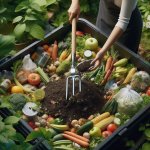
How to Make Compost from Kitchen Waste: A Complete Guide
Composting kitchen waste is one of the simplest ways to reduce household waste and produce nutrient-rich soil for gardens, plants, and outdoor spaces. By transforming food scraps and other organic materials into compost, you’re not only reducing the amount of garbage that goes to the landfill but also creating a natural fertilizer that helps plants grow.