Composting Gardening Tips and Plant Care
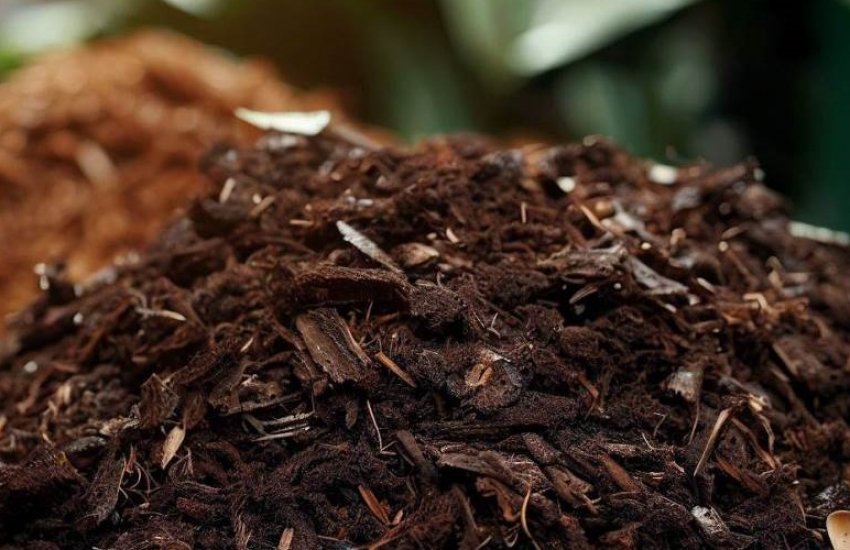
Composting is nature's way of recycling, turning everyday kitchen scraps and garden waste into rich, nutritious soil that plants love. Whether you're new to composting or looking to enhance your existing setup, GardenBotany.com offers easy-to-follow guides, practical tips, and solutions to common composting challenges. Discover how composting can significantly reduce household waste, improve your garden's health, and support a greener lifestyle—all while saving money and helping the environment thrive.
Recent Posts of Composting - Gardening Ideas
-

Best Plants for Indoor Air Quality: Improve Your Home’s Atmosphere
Indoor plants do more than just beautify your home. They can significantly improve air quality by absorbing pollutants and releasing fresh oxygen. Adding the right plants to your indoor space can create a healthier, more pleasant atmosphere. Whether you're dealing with dust, mold, or volatile organic compounds (VOCs), certain plants excel at filtering the air and making your home a better place to breathe.
-
Can I Compost Plant-Based Food Packaging Materials, and What Are the Guidelines?
With increasing awareness about environmental sustainability, many companies are shifting towards using plant-based food packaging materials as alternatives to plastic. These materials, often advertised as compostable or biodegradable, are marketed as eco-friendly choices that can reduce waste and pollution. However, as a consumer, understanding which packaging items can be composted and under what conditions can be confusing. This article dives into the world of plant-based food packaging and outlines clear guidelines on how to compost these materials effectively.
-
How to Set Up a Composting Initiative for a Retirement Community?
As sustainable living continues to grow in popularity, many retirement communities are looking for ways to incorporate environmentally friendly practices into their daily routines. Composting is a practical, eco-conscious initiative that can significantly reduce waste, create rich soil for gardens, and promote a sense of community among residents. Setting up a composting program in a retirement community involves thoughtful planning, education, and accessible equipment tailored to meet the specific needs of the residents.
-
Advertisement
-
Advantage of Anaerobic Digestion vs Traditional Composting for Food Waste
With the global push for sustainable practices, the question of how to best manage food waste has become a major concern. As we seek ways to reduce waste and harness its value, two methods stand out: anaerobic digestion and traditional composting. Both are effective in processing organic waste, yet they differ in how they operate and the benefits they provide. Anaerobic digestion, a process that converts organic waste into biogas under oxygen-free conditions, has gained popularity as an alternative to traditional composting, offering unique advantages in terms of energy production, greenhouse gas reduction, and nutrient recovery.
-
How Can I Compost Industrial Food Waste While Minimizing Odors and Pests?
Composting industrial food waste is an effective way to divert organic materials from landfills and convert them into nutrient-rich compost that benefits soil health. However, the large volumes and high moisture content in industrial food waste can lead to challenges like foul odors and pest attraction. By implementing specific composting techniques, utilizing effective tools, and closely managing the composting process, you can minimize these issues and create high-quality compost.
-
Benefit of Using Compost from Landscape Waste in Soil Remediation Project
Soil remediation is essential for restoring and revitalizing degraded, contaminated, or nutrient-deficient soils. As the demand for sustainable soil remediation techniques grows, using compost from landscape waste has emerged as an effective and eco-friendly solution. Compost made from yard clippings, leaves, and other landscape waste offers a powerful and natural means of revitalizing poor soils, improving soil health, and enhancing vegetation growth in contaminated sites.
-
How Can I Incorporate Composting Practices into a Sustainable Landscape Design?
Sustainable landscape design involves creating outdoor spaces that support environmental health, reduce waste, and minimize the use of resources. Composting is a powerful practice that complements sustainable landscaping by turning organic waste into nutrient-rich soil amendments, reducing landfill contributions, and supporting healthy plant growth. By incorporating composting methods directly into your landscape design, you create a self-sustaining system that benefits both your garden and the environment.
-
What Techniques Can Be Used for Composting Post-Harvest Vegetable Waste on Farms?
Post-harvest vegetable waste is a significant by-product on farms, often consisting of leftover vegetable scraps, plant residues, and other organic materials that accumulate after crops are harvested. Composting this waste is an efficient and eco-friendly way to recycle nutrients, reduce landfill contributions, and improve soil quality on the farm.
-
How Do I Safely Compost Brewery By-Products Like Yeast and Hops?
With the booming popularity of craft breweries, there’s an increasing amount of brewery by-products generated, including spent yeast, hops, and grain. While these by-products are high in organic content and can be beneficial for composting, they require specific handling techniques to ensure safe and effective decomposition. Composting these materials not only reduces waste but also creates a nutrient-rich compost that can enhance soil health in gardens and farms.
-
What Are the Best Methods for Composting Yard Waste from Tree Pruning in Urban Areas?
Tree pruning is an essential part of maintaining healthy trees in urban landscapes. However, it generates a significant amount of yard waste, including branches, twigs, and leaves, which can be challenging to dispose of sustainably in urban settings. Composting is a practical and environmentally friendly way to manage this waste, but it requires specific techniques to effectively break down woody materials in small, often restricted urban spaces.