Composting Gardening Tips and Plant Care
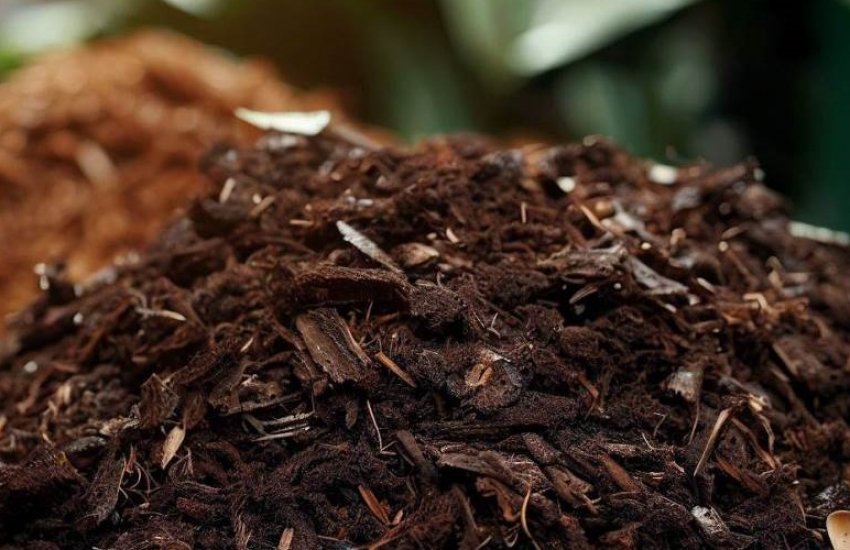
Composting is nature's way of recycling, turning everyday kitchen scraps and garden waste into rich, nutritious soil that plants love. Whether you're new to composting or looking to enhance your existing setup, GardenBotany.com offers easy-to-follow guides, practical tips, and solutions to common composting challenges. Discover how composting can significantly reduce household waste, improve your garden's health, and support a greener lifestyle—all while saving money and helping the environment thrive.
Recent Posts of Composting - Gardening Ideas
-

How Can I Compost Organic Waste Generated from Farmers' Markets Effectively?
Farmers' markets are a vibrant hub for fresh, organic produce, yet they often produce large quantities of organic waste. Leftover fruits, vegetables, herb clippings, and other biodegradable materials can quickly accumulate, resulting in a disposal challenge. Composting this organic waste is an effective and sustainable solution that not only reduces landfill contributions but also produces nutrient-rich compost that can enrich soil in gardens, farms, and landscapes.
-
How Can I Compost Landscaping Waste from Tree Removals or Storm Damage?
Landscaping waste, especially from tree removals and storm damage, can present a challenge for gardeners and homeowners alike. Branches, tree limbs, leaves, and other large organic debris are abundant after these events, often leaving people with massive piles of waste to deal with. Composting this material provides an eco-friendly solution, allowing you to convert bulky landscaping waste into valuable organic compost that nourishes the soil.
-
What Role Does Composting Play in Reducing Food Waste in Schools?
Food waste is a pressing issue in schools worldwide, where large amounts of uneaten food end up in landfills each day. Implementing effective composting programs in schools can play a critical role in tackling food waste, educating students about sustainability, and enriching school gardens with nutrient-rich compost.
-
Advertisement
-
Can I Compost Apple Pomace, and What Are the Best Practices?
Yes, you can absolutely compost apple pomace, which is the leftover pulp, skins, and seeds from juicing or cider making. It's a valuable "green" (nitrogen-rich) material that can significantly boost your compost pile, but successful composting requires following specific best practices to avoid common issues like pests and odors.
-
How Can I Create a Composting Program for a College Campus?
A composting program on a college campus is a powerful way to reduce waste, promote sustainability, and engage students in environmental stewardship. Colleges generate a significant amount of food waste and other organic materials daily, making them ideal places to implement composting initiatives. By turning cafeteria scraps, yard waste, and even paper products into valuable compost, a campus can not only reduce its landfill contributions but also create nutrient-rich soil that can be used for campus landscaping or gardening projects.
-
Benefits & Techniques for Composting Spent Coffee Grounds in Urban Gardening
Composting spent coffee grounds in urban gardening is a sustainable way to recycle organic waste while enriching your soil with nutrients that promote healthy plant growth. Coffee grounds are rich in essential minerals, making them an excellent addition to your compost pile or directly to your garden beds. Whether you’re growing vegetables, herbs, or flowers in small city plots or containers, coffee grounds can play a vital role in enhancing your garden’s productivity.
-
How Do I Compost Bakery Waste Like Bread and Pastry Scraps Effectively?
Composting bakery waste, such as stale bread, leftover pastries, and dough scraps, is an excellent way to reduce food waste while creating nutrient-rich organic matter for your garden. Bakery waste is biodegradable, making it a suitable material for composting when handled correctly. However, composting these items requires a bit more care than traditional composting due to their higher carbohydrate content, fats, and sugar levels. By following proper composting techniques, you can successfully convert bakery waste into valuable compost for your plants and soil.
-
Methods for Composting Yard Trimming from Tree Care & Landscaping Service
Yard trimmings from tree care and landscaping services are a valuable resource that can be turned into nutrient-rich compost. These materials, including branches, leaves, grass clippings, and other organic debris, are perfect for composting, and when managed correctly, they break down into a useful product that improves soil health, promotes plant growth, and reduces the need for chemical fertilizers.
-
How Can I Utilize Compost from Fish Waste in Aquaculture Systems?
Aquaculture, the practice of farming fish and other aquatic organisms, produces a significant amount of waste in the form of uneaten feed, fish feces, and other organic material. While managing this fish waste is crucial for maintaining water quality and ensuring the health of the aquatic life, it also presents an incredible opportunity. Fish waste is rich in nutrients that can be converted into valuable compost for agriculture or gardening. By utilizing compost made from fish waste, aquaculture systems can achieve greater sustainability, close nutrient cycles, and create high-quality organic fertilizer.
-
Challenges and Solutions for Composting Coffee Grounds & Filters in Bulk
Composting is an eco-friendly solution to manage organic waste, turning everyday materials into nutrient-rich soil amendments. Among the various waste products that can be composted, coffee grounds and coffee filters present an abundant and valuable source of organic matter, especially in large quantities. However, while composting small amounts of coffee waste is relatively straightforward, scaling up to handle large quantities introduces unique challenges.