Composting Gardening Tips and Plant Care
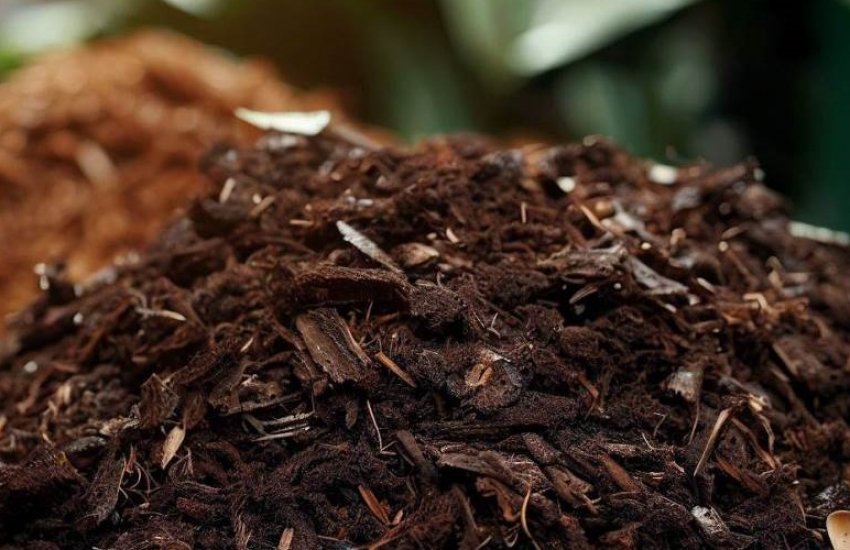
Composting is nature's way of recycling, turning everyday kitchen scraps and garden waste into rich, nutritious soil that plants love. Whether you're new to composting or looking to enhance your existing setup, GardenBotany.com offers easy-to-follow guides, practical tips, and solutions to common composting challenges. Discover how composting can significantly reduce household waste, improve your garden's health, and support a greener lifestyle—all while saving money and helping the environment thrive.
Recent Posts of Composting - Gardening Ideas
-

Busting Composting Myths: Separating Fact from Fiction
Busting composting myths is essential to separating fact from fiction, simplifying the process, and encouraging more gardeners to embrace this sustainable practice. By clarifying common misunderstandings about what can be composted, compost odors, and process complexity, you can achieve nutrient-rich compost more effectively.
-
Composting with Coffee Grounds: Boost Your Garden’s Growth Naturally
Composting with coffee grounds can naturally boost your garden's growth by adding valuable nitrogen, improving soil structure, and supporting beneficial microbial activity. Integrate them as a "green" ingredient (high in nitrogen) into a balanced compost pile to enhance its richness and accelerate decomposition.
-
Composting Benefits and Uses for Organic Mulches
Composting offers immense benefits, transforming organic waste into nutrient-rich compost that significantly enhances soil health, plant growth, and environmental sustainability. When this finished compost is used as an organic mulch, it simultaneously conserves soil moisture, suppresses weeds, regulates soil temperature, and provides a slow-release supply of vital nutrients to garden plants.
-
Advertisement
-
Tips for Composting in the Garden
Composting in the garden is an environmentally friendly way to turn organic waste into a rich, nutrient-filled soil amendment. To compost effectively, focus on balancing "greens" (nitrogen-rich materials) and "browns" (carbon-rich materials), maintaining consistent moisture, and providing adequate aeration for the decomposition process.