Composting Gardening Tips and Plant Care
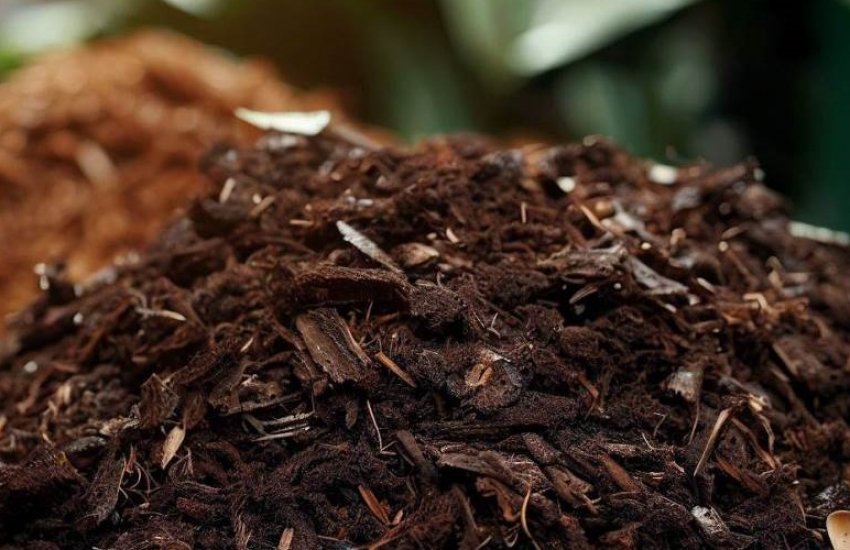
Composting is nature's way of recycling, turning everyday kitchen scraps and garden waste into rich, nutritious soil that plants love. Whether you're new to composting or looking to enhance your existing setup, GardenBotany.com offers easy-to-follow guides, practical tips, and solutions to common composting challenges. Discover how composting can significantly reduce household waste, improve your garden's health, and support a greener lifestyle—all while saving money and helping the environment thrive.
Recent Posts of Composting - Gardening Ideas
-

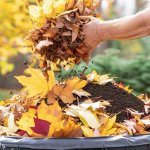
Composting with Leaves: Turning Fall Foliage into Gardener's Gold
Yes, composting with leaves is an exceptionally effective and environmentally friendly way to create a rich soil amendment for your garden. Fall foliage, often seen as yard waste, is actually a valuable organic resource brimming with nutrients and carbon, which makes it perfect for transforming into nutrient-rich compost or leaf mold.
-
Bokashi Composting: How to Ferment Food Waste for Nutrient-Rich Compost
Bokashi composting is a unique anaerobic fermentation process that breaks down food waste quickly and efficiently, turning it into a nutrient-rich material that enriches your garden soil. Unlike traditional composting, Bokashi utilizes a specialized microbial inoculant to ferment organic matter, including items typically avoided in conventional compost bins.
-
Composting and Climate Change: How Your Compost Pile Helps the Planet
Composting plays a significant role in combating climate change by diverting organic waste from landfills, thereby dramatically reducing harmful methane emissions. Additionally, applying compost to soil enhances carbon sequestration, improves soil health, and lessens reliance on resource-intensive synthetic fertilizers, all contributing positively to planetary health.
-
Advertisement
-
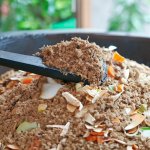
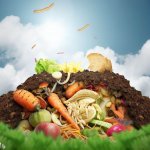
The Composting Journey: From Kitchen Scraps to Nutrient-Rich Soil
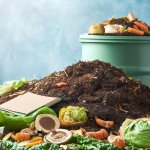
The composting journey transforms kitchen scraps and yard waste into nutrient-rich soil through controlled decomposition, primarily facilitated by microorganisms. This process involves balancing "green" and "brown" materials, maintaining optimal moisture and aeration, resulting in valuable "black gold" that builds healthy soil and supports thriving plants.
-
Composting for Kids: Fun, Educational Activities for Young Gardeners
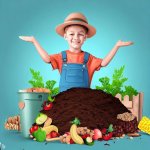
Composting for kids provides fun, educational activities for young gardeners, teaching them about waste reduction, natural cycles, and environmental stewardship. Engaging them in simple tasks like collecting food scraps, layering materials, and observing decomposition transforms gardening into a hands-on learning adventure that nurtures a love for nature.
-
Composting Dos and Don'ts: The Ultimate Guide to Successful Composting
Composting dos and don'ts provide the ultimate guide to successful composting, ensuring efficient decomposition and nutrient-rich soil. Do balance "greens" and "browns," maintain consistent moisture, and aerate regularly. Crucially, don't add meat, dairy, or oily foods to avoid odors and pests, and avoid diseased plants or persistent weeds.
-
Solar-Powered Compost Bins: Harness the Sun for Sustainable Gardening
Solar-powered compost bins harness the sun for sustainable gardening by utilizing solar energy to power mechanisms that enhance the composting process, such as aeration fans, moisture sensors, or even heating elements. This innovative approach automates key aspects of composting, leading to faster decomposition, reduced manual effort, and a more efficient creation of nutrient-rich compost for your garden.
-
Compost vs. Fertilizer: Key Differences and When to Use Each
Compost and fertilizer are both essential for garden health, but they serve different primary purposes. Compost amends and builds soil structure, enriches it with a diverse array of slow-release nutrients, and fosters microbial life, while fertilizer provides a concentrated, immediate boost of specific plant nutrients for targeted feeding. Understanding their key differences determines when and how to use each for optimal garden growth.
-
Composting for Urban Dwellers: How to Compost in Small Spaces
Composting for urban dwellers in small spaces is entirely feasible, primarily through vermicomposting (worm composting) indoors or using compact, sealed tumbler bins or bokashi fermentation systems on balconies or small patios. The key is choosing the right method for your space and managing materials to prevent odors and pests.
-
The Power of Compost: Transforming Poor Soil into Fertile Ground
The power of compost lies in its unparalleled ability to transform poor soil into fertile ground by improving its physical structure, enriching it with a balanced array of nutrients, and fostering a thriving microbial ecosystem. This organic amendment is the cornerstone of sustainable gardening, leading to healthier plants and abundant harvests.