Gardening Gardening Tips and Plant Care
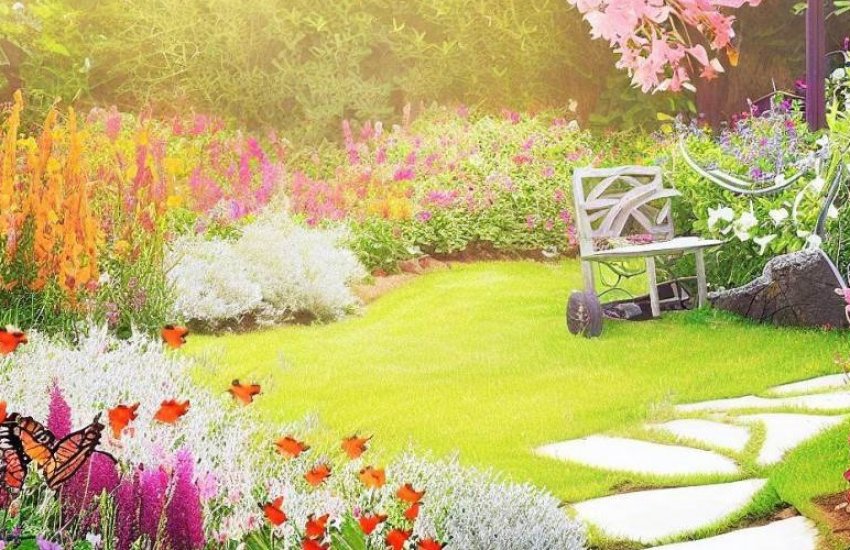
Gardening is more than just planting seeds—it's a rewarding journey filled with growth, learning, and the joy of nurturing life. In our Gardening category at GardenBotany.com, you'll discover practical tips, step-by-step guides, and expert advice to help you cultivate thriving plants, whether you're growing vibrant flowers, delicious vegetables, or lush greenery. From understanding plant care basics to mastering advanced gardening techniques, we simplify the process so you can confidently create and maintain a beautiful, healthy garden, season after season.
Recent Posts of Gardening - Gardening Ideas
-

Preparing Your Plants in the Ideal Temperature Range
Preparing your plants for the ideal temperature range involves understanding their specific needs, protecting them from extremes, and gradually acclimating them to new environments. Proper temperature management ensures optimal growth, flowering, and overall plant health.
-
How To Grow Edible Marigold Plant at Home?
To grow edible marigold plants at home, start by selecting suitable varieties like Calendula officinalis or Tagetes tenuifolia (Signet Marigolds). Provide well-draining soil, ample sunlight (at least 6 hours daily), and consistent watering to ensure healthy growth and abundant blooms.
-
What is Hot Tub Landscaping and Why Is It Important?
Hot tub landscaping is the intentional design and arrangement of plants, hardscaping, lighting, and other elements around a hot tub to create a cohesive, functional, and aesthetically pleasing outdoor space. It's important because it enhances privacy, safety, usability, and the overall enjoyment of your hot tub, transforming it from a standalone feature into an integrated oasis.
-
Why is it Necessary to Deadhead Daylily Flowers?
It is necessary to deadhead daylily flowers primarily to improve the plant's appearance, prolong its blooming period, and redirect its energy from seed production to developing stronger roots or producing more flowers. While not strictly essential for the plant's survival, deadheading significantly enhances the aesthetic value and performance of your daylilies.
-
How to grow Spanish lavender plants in the garden?
To grow Spanish lavender plants in the garden, ensure you provide them with full sun and exceptionally well-draining soil that is neutral to slightly alkaline. These fragrant Mediterranean natives thrive on minimal water once established and benefit from regular pruning to maintain their bushy form and encourage abundant, unique blooms.
-
Why is Spanish Moss good for a pecan tree?
Spanish moss (Tillandsia usneoides) is generally not beneficial for a pecan tree and can even be detrimental if its growth becomes too dense. While it is an epiphyte that doesn't directly parasitize the tree, heavy accumulations can reduce sunlight penetration to the pecan tree's leaves, restrict air circulation, and put excessive weight on branches, potentially weakening the tree over time.
-
Tips for Growing Spanish Peanuts in the Garden
To grow Spanish peanuts in your garden, ensure you have a long, warm growing season, plant them in loose, sandy, well-draining soil with full sun, and provide consistent moisture during flowering and pegging. Spanish peanuts are a rewarding crop that develops underground, making soil conditions paramount for success.
-
How Do I Grow Dusty Miller Flower?
To grow Dusty Miller flower, plant it in a location with full sun and well-draining soil, allowing the soil to dry out between waterings. These silvery-foliaged plants are prized more for their striking leaves than their flowers and are remarkably drought-tolerant once established.
-
How Do I Grow a Pussy Willow Tree Correctly?
To grow a pussy willow tree correctly, plant it in a location with full sun to partial shade and consistently moist, well-draining soil, ideally near a water source. Ensure regular watering, especially during dry spells, and prune it annually in late winter or early spring to encourage the distinctive furry catkins that are its hallmark.
-
How to Fix Grapes That Crack and Split?
To fix grapes that crack and split, focus on maintaining consistent soil moisture and ensuring proper nutrition, especially calcium. Addressing dramatic fluctuations in water availability is the most critical step to prevent grape skins from rupturing as the fruit rapidly expands.