Lawn Care Gardening Tips and Plant Care
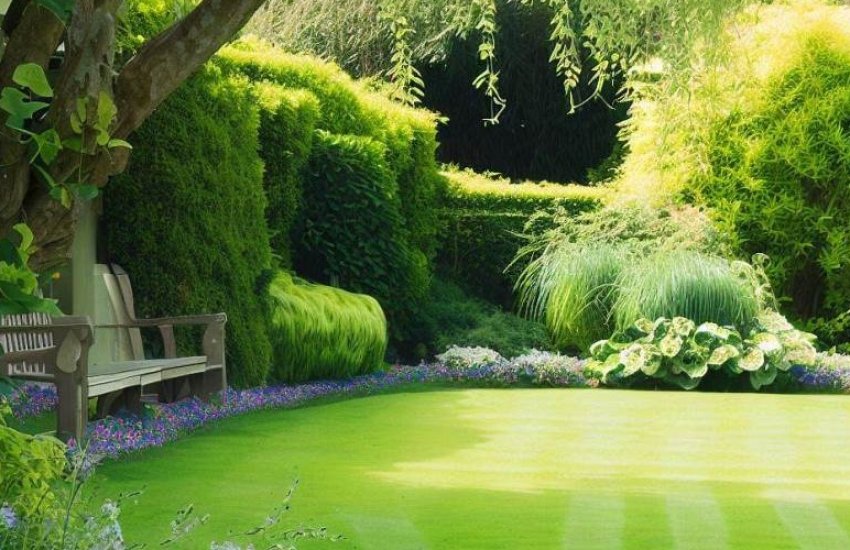
A healthy, vibrant lawn enhances your home's beauty, boosts curb appeal, and provides a welcoming space for relaxation and play. In our Lawn Care category at GardenBotany.com, you'll find straightforward tips, expert advice, and actionable guidance on everything from choosing the right grass seed and proper mowing techniques to tackling weeds, pests, and patchy spots. Whether you're aiming for a pristine green carpet or simply looking to improve the overall health of your lawn, our practical guides help you achieve impressive results with less effort and greater confidence.
Recent Posts of Lawn Care - Gardening Ideas
-

The Best Tips for Maintaining a Lawn with Poor Drainage
Maintaining a lawn with poor drainage primarily involves improving soil structure and managing water flow to prevent waterlogging. Start by identifying the underlying causes of the drainage issue, then implement targeted strategies like aeration, topdressing, and potentially grading or installing drainage systems.
-
How to Control Bermudagrass Invasion in Your Lawn?
Discovering Bermudagrass invasion spreading relentlessly through your otherwise pristine lawn can be a gardener's nightmare, especially if you're nurturing a cool-season turf. This aggressive, warm-season grass, while desirable in certain climates, becomes a persistent weed in others, choking out desired grass types with its vigorous growth and deep root system. Learning how to control Bermudagrass effectively requires understanding its tenacious nature and employing a combination of strategic approaches, ranging from cultural practices to targeted treatments, to reclaim your desired green lawn.
-
Why Your Lawn Looks Thin and Weak: Common Causes and Fixes?
A lush, green lawn is the dream of many homeowners, but sometimes, despite your efforts, your grass might appear sparse, patchy, or just generally unhealthy. If you're wondering why your lawn looks thin and weak, you're not alone. This common issue can stem from a variety of causes, from improper care to hidden problems beneath the surface. Understanding these culprits is the first step toward diagnosing the problem and implementing effective fixes to restore your lawn to its vibrant best.
-
Advertisement
-
How to Remove Lawn Sod Webworms Without Harsh Chemicals?
If you're noticing brown patches and thin spots appearing mysteriously in your lawn, especially during warm weather, you might be dealing with lawn sod webworms. These tiny caterpillars can cause significant damage, but thankfully, you can remove lawn sod webworms without harsh chemicals. This guide will explore natural, effective methods to identify, treat, and prevent these pests, helping you maintain a healthy, chemical-free lawn.
-
What Causes Dry Patches on Lawns and How to Rehydrate Them?
Dry patches on lawns are a common and frustrating problem for many homeowners, often appearing as unsightly brown or yellow areas amidst an otherwise green expanse. Understanding what causes dry patches on lawns is the first step toward effective treatment and prevention. While lack of water is a primary culprit, several other factors, from soil issues to pests and diseases, can contribute to these dehydrated spots. This guide will explore the various reasons behind dry patches and provide practical steps on how to rehydrate and restore your lawn's uniform green health.
-
How to Treat Fusarium Patch on Your Lawn?
Discovering unsightly patches on your lawn, especially during cooler, wetter months, can be disheartening for any homeowner. One common culprit is Fusarium Patch, a fungal disease that can quickly spread and mar the beauty of your grass. Understanding how to treat Fusarium Patch on your lawn effectively involves a combination of cultural practices and, in some cases, targeted fungicide application to restore your turf to its lush, green glory. This comprehensive guide will arm you with the knowledge to identify, manage, and prevent this pervasive lawn issue.
-
Why Your Lawn Looks Patchy After Aeration and What to Do?
It can be disheartening to invest time and effort in lawn aeration, only to find your lawn looks patchy after aeration. While aeration is a beneficial practice that opens up the soil to allow air, water, and nutrients to reach grass roots, a temporary patchy appearance is a common, and often normal, side effect. This guide will explain why your lawn looks patchy after aeration, what factors might exacerbate this, and most importantly, what steps you can take to ensure your lawn recovers beautifully and becomes healthier and denser than before. Don't panic; with the right follow-up care, those patches are just a stepping stone to a lusher lawn.
-
How to Stop Clover from Taking Over Your Lawn?
Clover, with its distinctive three-leafed appearance, can quickly become a dominant force in your lawn, outcompeting desirable grass species. If you're wondering how to stop clover from taking over your lawn, rest assured that a combination of cultural practices, targeted treatments, and consistent effort can help you reclaim a uniform, healthy turf. Understanding why clover thrives and implementing strategies to discourage its growth are key to successful control.
-
Dealing with Quackgrass: Effective Lawn Removal Tips
Tackling quackgrass: effective lawn removal tips can be one of the most persistent challenges for any gardener aiming for a pristine, uniform lawn. This aggressive perennial weed, known for its tenacious underground root system, quickly invades and outcompetes desirable turfgrass. Eradicating it requires a strategic and often multi-pronged approach, moving beyond simple surface treatments to address its resilient rhizomes. This comprehensive guide will equip you with the knowledge and practical methods to effectively manage and ultimately eliminate quackgrass, reclaiming your lawn from this unwelcome intruder.
-
The Pros and Cons of Mulch vs. Bagging Grass Clippings
When it comes to maintaining a healthy lawn, the decision of what to do with your grass clippings after mowing is more impactful than you might think. It's a fundamental choice that influences everything from soil health and nutrient cycling to your time commitment and environmental footprint. This comprehensive guide delves into the pros and cons of mulch vs. bagging grass clippings, providing clarity on which method best suits your lawn's needs, your personal gardening philosophy, and your desired level of effort. Understanding these differences will help you make an informed decision for a greener, healthier yard.