Lawn Care Gardening Tips and Plant Care
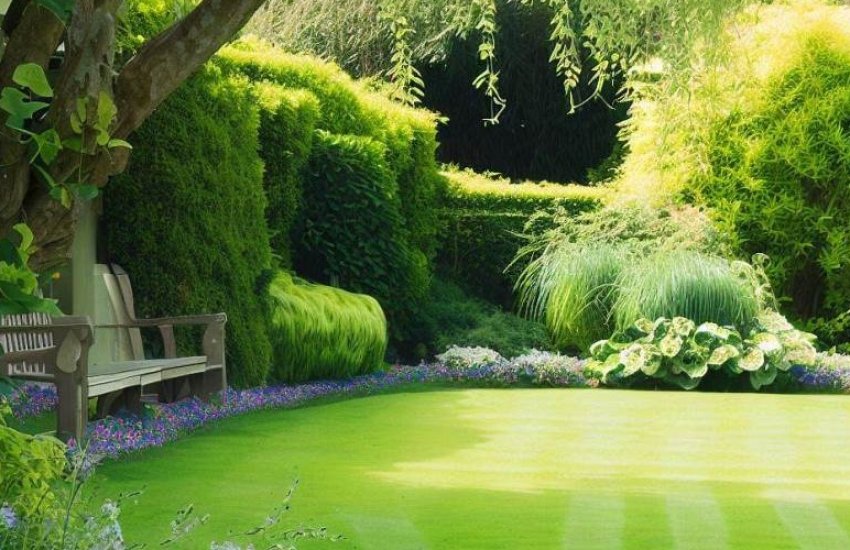
A healthy, vibrant lawn enhances your home's beauty, boosts curb appeal, and provides a welcoming space for relaxation and play. In our Lawn Care category at GardenBotany.com, you'll find straightforward tips, expert advice, and actionable guidance on everything from choosing the right grass seed and proper mowing techniques to tackling weeds, pests, and patchy spots. Whether you're aiming for a pristine green carpet or simply looking to improve the overall health of your lawn, our practical guides help you achieve impressive results with less effort and greater confidence.
Recent Posts of Lawn Care - Gardening Ideas
-

Effective Ways to Control Dollar Spot in Lawns
Dollar spot disease is a common lawn fungus that causes small, round patches of brown or straw-colored grass, usually about the size of a silver dollar. The disease thrives in warm, humid conditions and can quickly spread across the lawn, leading to an unsightly and uneven appearance. Fortunately, there are effective ways to control and prevent dollar spot disease, helping you maintain a lush and healthy lawn.
-
How to Treat Red Thread Disease in Your Lawn?
To treat Red Thread disease in your lawn, focus primarily on improving cultural practices, especially providing adequate nitrogen fertilization and reducing leaf wetness. Fungicides are generally a last resort for severe or persistent cases, as Red Thread rarely kills turf and can often be managed through good lawn care.
-
Why Lawn Edges Die: Causes and Solutions
Lawn edges die due to a combination of environmental stresses, improper cultural practices, and sometimes pest or disease issues. Understanding these factors is key to diagnosing and solving the problem, restoring the vibrant green boundary to your yard.
-
Advertisement
-
How to Manage Lawn Moss Growth Without Chemicals?
Managing lawn moss growth without chemicals involves addressing the underlying conditions that favor moss, such as poor drainage, excessive shade, compacted soil, and low soil pH. Improving turf health naturally will outcompete moss.
-
What Causes Lawn Bare Spots and How to Repair Them?
Lawn bare spots are unsightly patches of dead or missing grass that can be caused by a variety of factors, including pet urine, fungal diseases, insect infestations, heavy foot traffic, or nutrient deficiencies. To repair them, you first need to identify and address the underlying cause, then prepare the area and reseed or lay sod.
-
The Best Organic Solutions for Lawn Grub Control
The best organic solutions for lawn grub control primarily involve using beneficial nematodes and milky spore disease, which are natural biological controls that specifically target grubs without harming beneficial insects, pets, or the environment. Integrating these with proper lawn care practices forms a comprehensive, sustainable approach to managing grub populations.
-
How to Diagnose Lawn Fungal Infections Early?
To diagnose lawn fungal infections early, vigilantly observe your turf for subtle changes in color, texture, and growth patterns, especially during periods of high humidity or stress. Look for characteristic spots, patches, or unusual growths that can indicate the presence of a fungal disease before it spreads widely.
-
DIY Soil pH Testing at Home
DIY soil pH testing at home is an accessible way for gardeners to understand their soil's acidity or alkalinity, which directly impacts nutrient availability for plants. This crucial information helps determine necessary amendments to create optimal growing conditions for a thriving garden.
-
Best Soil Amendments for Clay Soil
The best soil amendments for clay soil are primarily organic materials that improve drainage, aeration, and overall soil structure by creating larger pore spaces. Compost, well-rotted manure, and other plant-based materials are paramount, as they foster a healthy microbial ecosystem and enhance nutrient availability.
-
Best Native Plants for Drought-Resistant Landscaping
The best native plants for drought-resistant landscaping are those naturally adapted to your specific region's climate, requiring minimal supplemental water once established. These plants offer not only water-saving benefits but also enhance local biodiversity, providing habitat and food for native wildlife while creating a beautiful, sustainable landscape that thrives without excessive irrigation.