Lawn Care Gardening Tips and Plant Care
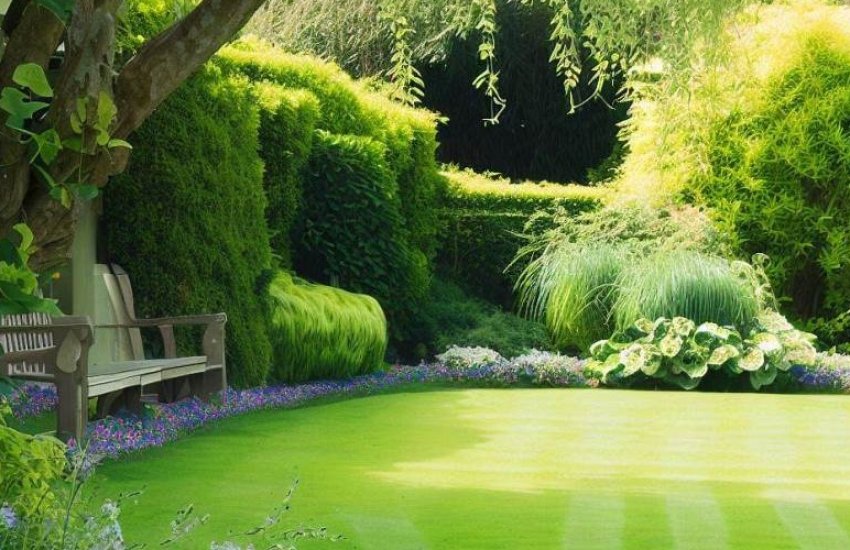
A healthy, vibrant lawn enhances your home's beauty, boosts curb appeal, and provides a welcoming space for relaxation and play. In our Lawn Care category at GardenBotany.com, you'll find straightforward tips, expert advice, and actionable guidance on everything from choosing the right grass seed and proper mowing techniques to tackling weeds, pests, and patchy spots. Whether you're aiming for a pristine green carpet or simply looking to improve the overall health of your lawn, our practical guides help you achieve impressive results with less effort and greater confidence.
Recent Posts of Lawn Care - Gardening Ideas
-

The Complete Guide to Fixing Uneven Lawn Surfaces
Dealing with an uneven lawn can be a real headache. Those dips and bumps aren't just an eyesore; they can make mowing a nightmare, trip hazards for kids and pets, and even cause drainage issues. But don't worry, a smooth, level lawn is totally achievable with the right approach. This guide will walk you through everything you need to know to transform your bumpy yard into a beautiful, uniform green carpet.
-
Understanding Lawn Soil Issues and How to Improve Soil Quality
A thriving, vibrant lawn begins beneath the surface, making understanding lawn soil issues and how to improve soil quality a fundamental aspect of successful turf care. Often overlooked in favor of visible green blades, the soil is the literal foundation supporting grass health, dictating nutrient uptake, water drainage, and root development. Addressing underlying problems like compaction, nutrient deficiencies, or pH imbalances is crucial for transforming a struggling lawn into a dense, resilient, and naturally lush carpet of green, reducing reliance on constant chemical inputs and fostering long-term vitality.
-
How to Revive a Lawn Damaged by Heavy Traffic?
A lush, green lawn is often the pride of a homeowner, providing a beautiful backdrop for outdoor activities and enhancing curb appeal. But sometimes, even the most meticulously cared-for turf can suffer from the demands of everyday life. Whether it's the constant patter of little feet, the playful antics of pets, the repeated path to a shed, or the impact of backyard gatherings, heavy traffic can leave a once-vibrant lawn looking thin, compacted, and worn. Those worn-down patches, bare spots, and areas where grass simply refuses to grow can be frustrating, marring the uniform beauty of your green carpet.
-
Advertisement
-
Best Practices for Dealing with Lawn Weeds: A Comprehensive Guide
A lush, green, and weed-free lawn is often the pride of a homeowner, creating an inviting space for relaxation and play. However, maintaining that pristine appearance can feel like a constant battle against stubborn invaders. Lawn weeds are opportunistic plants that compete with your desired grass for essential resources like water, nutrients, and sunlight, often diminishing your lawn's health and aesthetic appeal. They can quickly spread, turning a uniform green carpet into a patchy mix of unwanted growth. This comprehensive guide will equip you with the knowledge and strategies needed to effectively identify, prevent, and control common lawn weeds, transforming your approach from reactive to proactive, and ultimately leading to a healthier, more beautiful lawn.
-
Why Your Lawn Is Turning Yellow and How to Fix It
A lush, green lawn is a source of pride for many homeowners. It creates a welcoming curb appeal and provides a soft, inviting space for outdoor activities. So, when your once-vibrant lawn starts to lose its rich color and turn yellow, it can be a frustrating sight. This discoloration isn't just an aesthetic issue; it's often a distress signal from your grass, indicating something isn't quite right beneath the surface or in its environment.
-
Top 5 Lawn Pests and How to Control Them Naturally
A lush, green lawn is often the pride of a homeowner, providing a beautiful space for recreation, relaxation, and curb appeal. However, maintaining that perfect turf isn't always easy. Beneath the surface, and sometimes right on top, a hidden world of tiny creatures can be quietly munching away, turning your vibrant green carpet into a patchy, brown mess. These unwelcome guests are lawn pests, and they can cause significant damage if not properly managed.
-
The Ultimate Guide to Preventing Lawn Thatch Build-Up
A lush, green, healthy lawn is often the pride of a homeowner, providing a beautiful space for relaxation, play, and outdoor enjoyment. But underneath that vibrant green carpet, an unseen enemy can be slowly building up, silently working to undo all your hard work: lawn thatch. If your lawn feels spongy when you walk on it, struggles to absorb water, or just doesn't look as vigorous as it once did, thatch might be the culprit. It's a layer of dead and living grass stems, roots, and other debris that accumulates between the green grass blades and the soil surface. A little bit is natural and even beneficial, but too much can suffocate your lawn and open the door to a host of problems.
-
How to Identify and Treat Common Lawn Diseases?
Maintaining a vibrant, healthy lawn often involves more than just regular mowing and watering; it also requires vigilance against microscopic threats. Knowing how to identify and treat common lawn diseases is crucial for preserving your turf's lush appearance and vigor. This comprehensive guide will equip you with the knowledge to recognize the telltale signs of various fungal infections and implement effective strategies for their control and prevention.
-
What Are the Best Practices for Lawn Care in Areas with High Air Pollution?
Living in an urban or industrial area often means enjoying the conveniences of city life, but it can also come with a hidden challenge: air pollution. While we might immediately think of human health impacts, our gardens and lawns are on the front lines, constantly exposed to airborne pollutants. High air pollution can significantly stress grass, making it harder to maintain that vibrant, healthy lawn you desire. Pollutants like ozone, sulfur dioxide, nitrogen oxides, and fine particulate matter can damage grass blades, weaken root systems, interfere with photosynthesis, and make your lawn more susceptible to pests and diseases.
-
How to Achieve a Lush Lawn with Minimal Use of Synthetic Chemicals?
Many homeowners dream of a lush, green lawn. That thick, vibrant carpet of grass is a hallmark of a beautiful yard. However, the traditional approach to achieving such a lawn often involves a heavy reliance on synthetic chemicals – herbicides, pesticides, and quick-release fertilizers. While these can offer fast results, they come with concerns about their impact on the environment, local waterways, beneficial insects (like bees!), and even the health of our pets and families.