Gardening Doesn't Have to Be Complicated if You Know What You're Doing

With just a bit of practical knowledge and the right tools, anyone can create a lush, vibrant garden space. Whether you're tending to houseplants, nurturing a vegetable patch, or crafting a backyard oasis, understanding a few fundamental tips can simplify the entire process. At GardenBotany.com, we're here to guide you every step of the way, making gardening enjoyable, stress-free, and accessible for everyone, from complete beginners to seasoned gardeners looking to perfect their green thumbs.
Latest Gardening Posts and Plant Care Tips
-

How Can I Increase the Fruit Yield of My Pineapple Plant?
To increase the fruit yield of your pineapple plant, focus on providing optimal growing conditions including ample sunlight, consistent moisture, and balanced fertilization throughout its growth cycle. Additionally, proper harvesting techniques and management of "slips" and "suckers" can significantly boost future pineapple production.
-
What Are the Benefits of Growing Pomegranate Plants in My Garden?
The pomegranate plant (Punica granatum) is an ancient fruit-bearing shrub or small tree that offers a wealth of benefits, making it an ideal addition to any home garden. Known for its vibrant red fruit packed with juicy seeds, the pomegranate not only adds aesthetic value to your garden but also provides numerous health benefits and practical advantages. Whether you're a seasoned gardener or just starting, growing pomegranate plants can be a rewarding and sustainable way to enjoy fresh, homegrown fruit.
-
Slugs and Snails: The Garden's Hidden Enemies
In the quiet of the night or during damp, rainy mornings, two of the garden’s most destructive pests silently go about their business: slugs and snails. Despite their slow pace, these creatures can wreak havoc on your plants, especially when left unchecked. Whether you’re a seasoned gardener or new to the hobby, it’s essential to understand how these slimy invaders operate, what damage they can cause, and how to effectively manage them in your garden.
-
Caterpillar Catastrophe: Protecting Your Plants from Larvae
When it comes to garden pests, caterpillars may look harmless, even charming, at first glance. These colorful and often fuzzy creatures are the larvae of moths and butterflies, but beneath their appearance lies a voracious appetite for your garden plants. The damage caterpillars can inflict on your crops, flowers, and trees can be devastating, especially when their populations spiral out of control. Understanding how to manage and prevent caterpillar infestations is key to keeping your garden healthy and thriving.
-
Understanding Whiteflies: The Tiny Trouble in Your Garden
Gardening can be one of the most rewarding hobbies, but it also comes with its fair share of challenges. Among the most frustrating pests that gardeners face are whiteflies. These tiny insects may seem harmless due to their small size, but they can quickly become a significant problem, damaging plants and spreading diseases. In this article, we'll delve into everything you need to know about whiteflies—what they are, how to identify them, the damage they cause, and most importantly, how to manage and prevent infestations in your garden.
-
Defeating Spider Mites: Tips for a Healthy Garden
A well-maintained garden can be a sanctuary of growth and beauty, but it’s not immune to intruders. Among the most troublesome and stealthy pests are spider mites. These tiny arachnids can wreak havoc on your plants, weakening them and sometimes leading to their demise. Recognizing the early signs of a spider mite infestation and understanding how to control and eliminate them are key to maintaining a healthy garden.
-
Aphids: The Silent Suckers of Your Garden
Aphids are small, soft-bodied insects that feed on plant sap, acting as silent suckers that can quickly weaken and damage your garden plants. Identifying and controlling these common pests early is crucial for maintaining plant health and preventing widespread infestations using a combination of cultural, biological, and organic methods.
-
Can a Snake Plant Grow in Low Light?
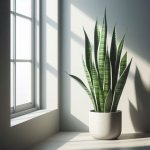
The snake plant (Sansevieria trifasciata), also known as "Mother-in-Law's Tongue," is one of the most popular indoor plants worldwide, admired for its sword-like leaves and striking appearance. Its hardy nature and ability to tolerate various environmental conditions make it a preferred choice for many homeowners and office decorators. But one question remains: Can a snake plant grow in low light?
-
What Are Common Pests That Affect Fiddle Leaf Fig Plants?
Fiddle Leaf Fig plants (Ficus lyrata) are one of the most popular indoor plants due to their striking large leaves and sculptural form. While they can thrive indoors with the right care, they are susceptible to a number of pests that can compromise their health and beauty. If you're noticing discolored leaves, stunted growth, or small insects on your Fiddle Leaf Fig, it's essential to identify the cause and take immediate action.
-
How Do You Train Monstera Deliciosa to Climb?
The Monstera Deliciosa, also known as the Swiss Cheese Plant, is a beloved houseplant admired for its large, fenestrated leaves and ability to grow to impressive sizes. In its natural environment, the Monstera is a climbing plant, using its aerial roots to attach to trees and scale upwards. When grown indoors, however, it needs a bit of assistance to replicate this climbing behavior. Training your Monstera to climb not only encourages healthier growth but also helps showcase its stunning, lush foliage.