Gardening Doesn't Have to Be Complicated if You Know What You're Doing
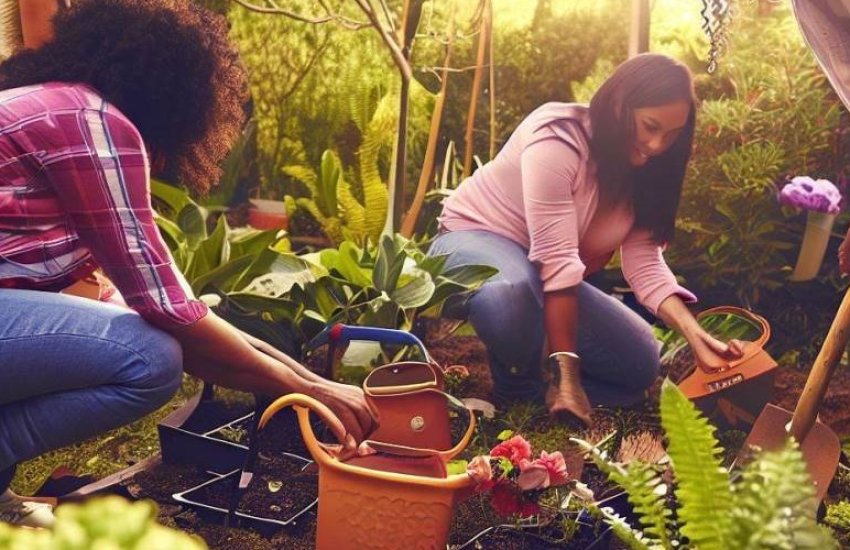
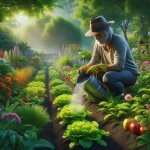
With just a bit of practical knowledge and the right tools, anyone can create a lush, vibrant garden space. Whether you're tending to houseplants, nurturing a vegetable patch, or crafting a backyard oasis, understanding a few fundamental tips can simplify the entire process. At GardenBotany.com, we're here to guide you every step of the way, making gardening enjoyable, stress-free, and accessible for everyone, from complete beginners to seasoned gardeners looking to perfect their green thumbs.
Latest Gardening Posts and Plant Care Tips
-

What Is the Best Time of Year to Apply Fertilizer?
Achieving a lush, green lawn is a goal for many homeowners, and fertilizing plays a big role in reaching that dream. But simply spreading fertilizer whenever you remember isn't the best strategy. In fact, applying it at the wrong time can be a waste of money, or even worse, harm your lawn and the environment. The key to effective lawn fertilization is timing it right, matching the application to your grass type's natural growth cycles.
-
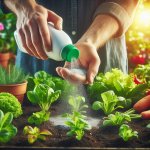
How Do Slow-Release Fertilizers Work?
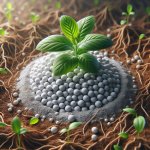
Fertilizers are like food for your plants, providing essential nutrients they need to grow strong and healthy. Most gardeners are familiar with liquid or granular fertilizers that you apply every few weeks. But there's another type of fertilizer that's gained a lot of popularity for its convenience and effectiveness: slow-release fertilizers. Instead of delivering a big burst of nutrients all at once, these clever products feed your plants gradually over a longer period. Understanding how slow-release fertilizers work can save you time, reduce waste, and lead to healthier, more consistent plant growth.
-
Is It Safe to Use Fertilizers Around Pets and Children?
A lush, green lawn and a thriving garden are a joy to behold. To achieve this vibrant growth, many homeowners turn to fertilizers, which provide essential nutrients to plants. However, for families with curious children and playful pets, a crucial question often arises: Is it safe to use fertilizers around pets and children? The answer isn't a simple yes or no; it depends heavily on the type of fertilizer, how it's applied, and the precautions taken.
-
What Is the Role of NPK in Fertilizers?
If you've ever bought fertilizer for your garden, lawn, or houseplants, you've probably noticed three numbers prominently displayed on the bag or bottle. These numbers, like 10-10-10 or 5-1-3, represent the NPK ratio. But what do they mean? NPK stands for Nitrogen (N), Phosphorus (P), and Potassium (K). These three elements are known as the primary macronutrients because plants need them in the largest quantities to grow and thrive. Understanding the role of NPK is fundamental to successful gardening and knowing how to properly feed your plants.
-
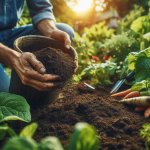
How Do I Choose the Right Fertilizer for My Soil Type?
Choosing the right fertilizer can feel like a puzzle. With so many numbers and types on the shelves, it’s easy to get confused. But picking the best fertilizer is key to a healthy garden, lawn, or even potted plants. The secret lies in understanding your soil type and what your plants really need. This guide will walk you through the process, making fertilizer selection simple and effective.
-
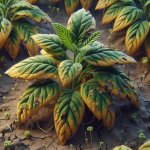
What Are the Signs of Nutrient Deficiency in Plants?
Your plants are telling you a story. Every yellowing leaf, every stunted stem, every strange spot is a message, a quiet plea for something they need. Just like us, plants require a balanced diet to thrive. When they don't get enough of a certain nutrient, they start showing signs of stress. These signs are often subtle at first, then become more pronounced as the deficiency worsens. Learning to "read" your plants is a powerful skill for any gardener, whether you're growing a few herbs on your windowsill or tending to a sprawling vegetable patch. It allows you to catch problems early, before they seriously impact your harvest or the health of your beloved greenery.
-
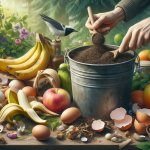
Can I Make My Own Fertilizer at Home?
Every gardener knows that healthy plants need good food. Just like us, plants require a balanced diet of essential nutrients to grow strong, produce abundant flowers and fruits, and resist pests and diseases. While store-bought fertilizers are readily available, many gardeners are looking for more natural, sustainable, and cost-effective ways to nourish their green companions. The exciting answer is a resounding yes: you absolutely can make your own fertilizer at home! This practice is not only environmentally friendly but also allows you to recycle kitchen scraps and yard waste, transforming them into valuable plant food.
-
What is the Difference Between Organic and Synthetic Fertilizers?
Nourishing our plants is a fundamental aspect of successful gardening, whether we're cultivating vibrant flowers, bountiful vegetables, or lush lawns. Just like us, plants need a balanced diet of essential nutrients to thrive. When it comes to providing these nutrients, gardeners are often faced with a choice: opt for naturally derived organic fertilizers or chemically manufactured synthetic fertilizers. Understanding the key differences between these two broad categories is crucial for making informed decisions that align with your gardening philosophy and the long-term health of your soil and plants.
-
How Often Should I Fertilize My Garden Plants?
Knowing when to fertilize your garden plants can feel like a mystery. You want your plants to grow big and strong, with lots of flowers or tasty vegetables. But adding too much food, or too little, can cause problems. It’s a bit like feeding a pet; you need to give them the right amount at the right time. Every plant is a little different, and what works for a rose bush might not be best for a tomato plant.
-
What is the Best Fertilizer for Vegetable Gardens?
Growing your own vegetables is incredibly rewarding. There’s nothing quite like harvesting fresh, homegrown tomatoes or crisp lettuce straight from your garden. To get the best possible harvest, with healthy, vibrant plants, it's not just about sunshine and water. Your plants also need proper nutrition, and that’s where fertilizer comes in. Think of fertilizer as food for your plants. Just like we need a balanced diet, plants need specific nutrients to grow strong, produce lots of fruits, and resist diseases.