Gardening Doesn't Have to Be Complicated if You Know What You're Doing
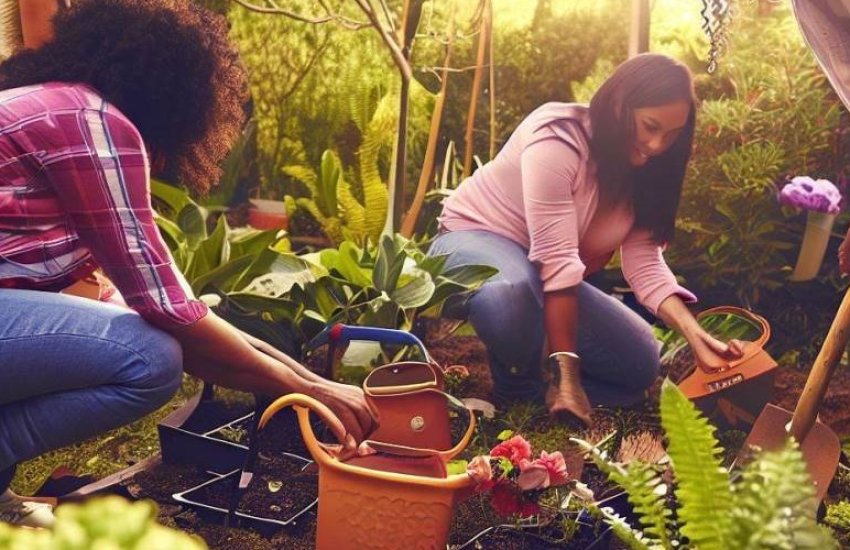
With just a bit of practical knowledge and the right tools, anyone can create a lush, vibrant garden space. Whether you're tending to houseplants, nurturing a vegetable patch, or crafting a backyard oasis, understanding a few fundamental tips can simplify the entire process. At GardenBotany.com, we're here to guide you every step of the way, making gardening enjoyable, stress-free, and accessible for everyone, from complete beginners to seasoned gardeners looking to perfect their green thumbs.
Latest Gardening Posts and Plant Care Tips
-

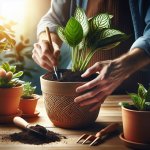
How do I propagate houseplants from cuttings?
Growing new plants from pieces of your favorite houseplants is a truly rewarding experience. It's a wonderful way to expand your indoor jungle, share with friends, or even save a plant that's looking a little sad. This guide will walk you through the simple steps of creating new life from cuttings, making the process easy and fun for anyone, even if you’re new to gardening. Get ready to multiply your green companions and enjoy the satisfaction of seeing them thrive.
-
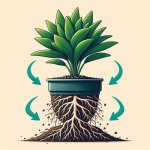
What are some common signs that my houseplant needs repotting?
Our houseplants bring so much life and beauty into our homes. We nurture them, water them, and give them a prime spot by the window. But sometimes, even with the best care, a plant might start looking a little less vibrant, or its growth seems to slow down. While there could be many reasons for a houseplant acting unwell, one very common, yet often overlooked, cause is that it simply needs more room to grow. Just like we outgrow our shoes, plants can outgrow their pots! This is where repotting comes in.
-
Can I repot my houseplants anytime, or is there a specific season?
Bringing the beauty of nature indoors with houseplants adds vibrancy and life to any living space. As these green companions grow, they often outgrow their containers, signaling a need for a new home. The question often arises: can I repot my houseplants anytime, or is there a specific season that's best for this important task? While it might seem like a simple decision, the timing of repotting can significantly impact your plant's health and ability to recover from the process. Understanding the best time to refresh their soil and provide more room for roots is crucial for thriving indoor greenery.
-
How do I prevent pests like aphids and spider mites on my houseplants?
You've lovingly nurtured your houseplants, watching their vibrant leaves unfurl and their intricate forms add beauty to your home. Then, one day, you spot it: tiny, unwelcome invaders crawling on the leaves, leaving behind sticky residue, discolored spots, or fine webbing. You've encountered houseplant pests, and chief among them are the notorious aphids and spider mites.
-
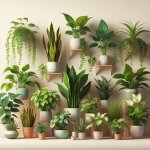
What are the best low-light houseplants for beginners?
Bringing green life into your home adds so much to any space. Plants make rooms feel more alive, cozy, and can even help clean the air. But if you're just starting out with houseplants, or if your home doesn't get a lot of bright sunlight, it can feel a bit tricky. Many people worry that without super sunny windows, their plants just won't make it. The good news? That's not true at all!
-
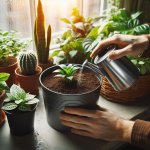
How often should I water my houseplants?
One of the most common questions new (and experienced!) plant parents ask is, "How often should I water my houseplants?" It's a simple question with a surprisingly complex answer, because there's no single "right" schedule that works for all plants. In fact, following a strict watering schedule can often lead to problems like overwatering or underwatering. The key to healthy houseplants isn't a calendar, but understanding your plant's needs and its environment. Let's dive into all the factors that determine how often you should water your houseplants.
-
Are there any materials that should never be composted?
Composting is like magic for your garden. It takes kitchen scraps and yard waste and turns them into a rich, dark, nutrient-filled soil amendment that gardeners call "black gold." It's great for the environment, reducing waste that goes into landfills, and it's fantastic for making your plants healthy and happy. But just like a good recipe, composting works best when you use the right ingredients. Not everything that can rot should go into your compost bin. Adding the wrong materials can cause problems like bad smells, attract pests, or even harm your plants. So, while it's tempting to throw everything organic into the pile, knowing what to avoid is just as important as knowing what to include. This guide will reveal the materials that should never be composted and explain why, helping you create the cleanest, healthiest compost for your thriving garden.
-
How can I use compost to improve the health of my soil and plants?
For any gardener, the dream is to have thriving, vibrant plants that produce bountiful harvests or stunning blooms. We often focus on what we feed our plants directly, like fertilizers, but the true secret to long-term garden success lies beneath the surface: in the soil. Healthy soil isn't just dirt; it's a living ecosystem, teeming with beneficial microorganisms and rich in organic matter. And when it comes to enriching this vital foundation, nothing quite compares to compost.
-
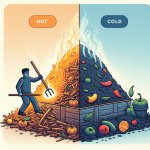
What's the difference between hot composting and cold composting?
Composting is like magic for your garden. It takes kitchen scraps, leaves, and other organic bits, and turns them into a super-rich, dark, earthy material called compost that makes your plants incredibly happy. It's a fantastic way to reduce waste, improve your soil, and save money on fertilizers. But if you've ever looked into composting, you might have heard terms like "hot composting" and "cold composting" and wondered what the difference is. Are they completely different methods, or just variations of the same idea?
-
Can I compost kitchen scraps like citrus peels and onion skins?
Composting is an incredible way to reduce waste, enrich your garden soil, and connect more deeply with the cycle of nature. If you're a home gardener or just someone looking to live more sustainably, a compost bin is a fantastic addition to your yard. You probably already know that fruit and vegetable scraps are prime candidates for the compost pile. But what about those specific kitchen scraps that sometimes cause a bit of debate among composters, like citrus peels and onion skins? Can these pungent and sometimes tough bits truly break down and contribute to your "black gold"? The answer is yes, with a few simple considerations!