Gardening Doesn't Have to Be Complicated if You Know What You're Doing
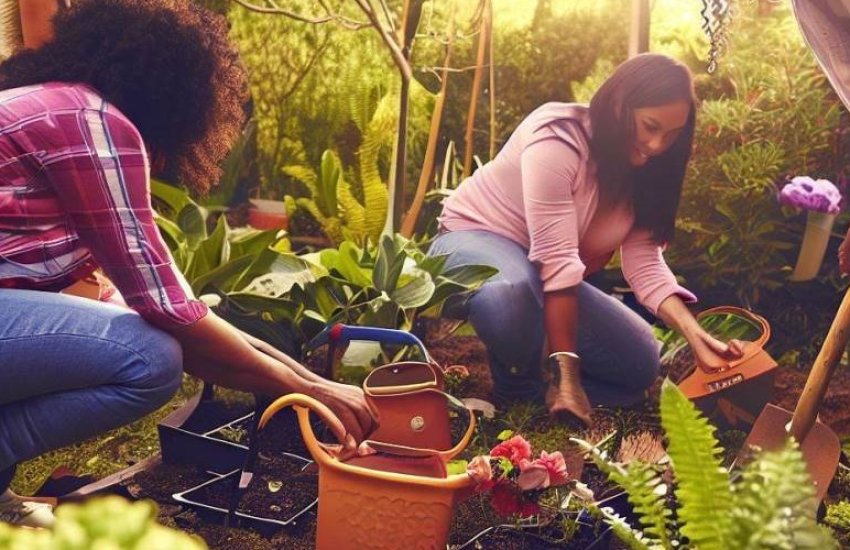
With just a bit of practical knowledge and the right tools, anyone can create a lush, vibrant garden space. Whether you're tending to houseplants, nurturing a vegetable patch, or crafting a backyard oasis, understanding a few fundamental tips can simplify the entire process. At GardenBotany.com, we're here to guide you every step of the way, making gardening enjoyable, stress-free, and accessible for everyone, from complete beginners to seasoned gardeners looking to perfect their green thumbs.
Latest Gardening Posts and Plant Care Tips
-

Why Lawn Edges Die: Causes and Solutions
Lawn edges die due to a combination of environmental stresses, improper cultural practices, and sometimes pest or disease issues. Understanding these factors is key to diagnosing and solving the problem, restoring the vibrant green boundary to your yard.
-
How to Manage Lawn Moss Growth Without Chemicals?
Managing lawn moss growth without chemicals involves addressing the underlying conditions that favor moss, such as poor drainage, excessive shade, compacted soil, and low soil pH. Improving turf health naturally will outcompete moss.
-
What Causes Lawn Bare Spots and How to Repair Them?
Lawn bare spots are unsightly patches of dead or missing grass that can be caused by a variety of factors, including pet urine, fungal diseases, insect infestations, heavy foot traffic, or nutrient deficiencies. To repair them, you first need to identify and address the underlying cause, then prepare the area and reseed or lay sod.
-
Advertisement
-
The Best Organic Solutions for Lawn Grub Control
The best organic solutions for lawn grub control primarily involve using beneficial nematodes and milky spore disease, which are natural biological controls that specifically target grubs without harming beneficial insects, pets, or the environment. Integrating these with proper lawn care practices forms a comprehensive, sustainable approach to managing grub populations.
-
How to Diagnose Lawn Fungal Infections Early?
To diagnose lawn fungal infections early, vigilantly observe your turf for subtle changes in color, texture, and growth patterns, especially during periods of high humidity or stress. Look for characteristic spots, patches, or unusual growths that can indicate the presence of a fungal disease before it spreads widely.
-
How to Grow Bamboo in Pots for Privacy?
You can effectively grow bamboo in pots for privacy by choosing the right clumping bamboo species, selecting appropriate containers, and providing consistent care to ensure healthy, dense growth. This method offers a versatile and attractive living screen without the worry of aggressive spreading.
-
Using Beneficial Nematodes in Your Garden
Using beneficial nematodes in your garden offers a powerful, natural, and organic solution for controlling a wide range of common soil-dwelling insect pests without harming beneficial organisms or the environment. These microscopic worms actively seek out and eliminate pest larvae, providing long-lasting, safe pest management for a healthier garden ecosystem.
-
Preventing Greenhouse Fungus: Best Practices
Preventing greenhouse fungus primarily involves controlling humidity, ensuring good air circulation, and maintaining excellent sanitation practices within the enclosed environment. Fungi thrive in warm, moist, still air, so disrupting these conditions is your best defense against common greenhouse diseases.
-
Make Your Own Liquid Plant Food: Simple Recipes
You can make your own liquid plant food using simple household items and garden waste, offering an organic, cost-effective, and sustainable way to nourish your plants. These homemade recipes provide essential nutrients in a readily available form, boosting plant growth and soil health.
-
Growing Potatoes in Bags: Tips for Success
Growing potatoes in bags is an excellent method for gardeners with limited space, poor soil, or those seeking an easier harvest. Success hinges on selecting the right bag, preparing proper soil, and consistently "hilling up" the growing plants.