Gardening Doesn't Have to Be Complicated if You Know What You're Doing
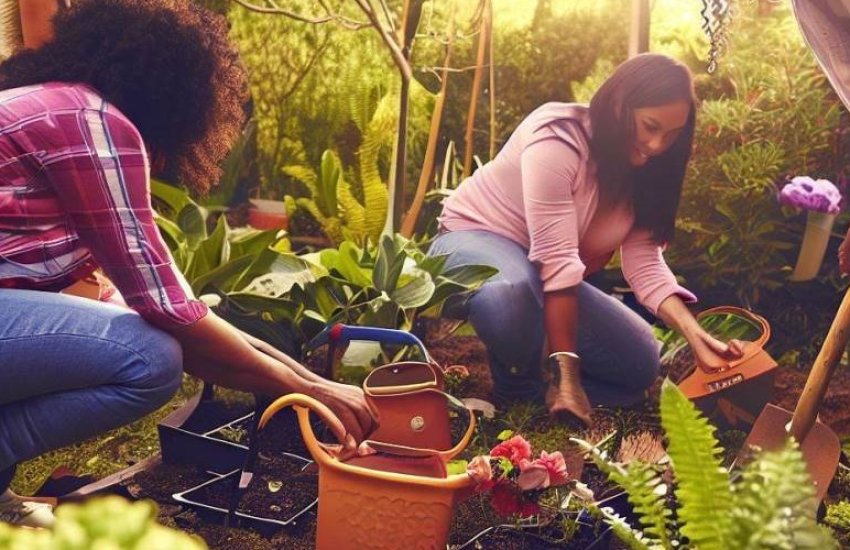
With just a bit of practical knowledge and the right tools, anyone can create a lush, vibrant garden space. Whether you're tending to houseplants, nurturing a vegetable patch, or crafting a backyard oasis, understanding a few fundamental tips can simplify the entire process. At GardenBotany.com, we're here to guide you every step of the way, making gardening enjoyable, stress-free, and accessible for everyone, from complete beginners to seasoned gardeners looking to perfect their green thumbs.
Latest Gardening Posts and Plant Care Tips
-

Indoor Bonsai Tree Care Tips for Beginners
Indoor bonsai tree care for beginners focuses on providing consistent light, appropriate watering, and maintaining suitable humidity levels, as these are tropical or sub-tropical plants not adapted to temperate outdoor climates. Understanding your specific tree's needs is key to its long-term health and development.
-
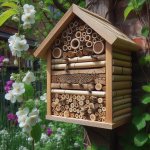
How to Build a Bee Hotel to Support Garden Pollinators?
To build a bee hotel to support garden pollinators, start by gathering materials such as untreated wood, bamboo canes, hollow plant stems, or cardboard tubes, and a sturdy frame or container. Create various tunnel sizes ranging from 2 mm to 10 mm in diameter to attract a diverse range of native bees.
-
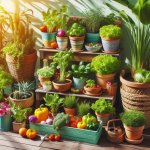
Top Vegetables to Grow in Containers on Patios
Dreaming of fresh, homegrown produce but limited by space? You don't need a sprawling backyard to cultivate a bountiful harvest. Your patio, balcony, or even a sunny windowsill can become a thriving edible oasis with the right planning. Growing vegetables in containers offers incredible flexibility, allowing urban dwellers and homeowners with small yards to enjoy the unparalleled taste of freshly picked produce. This comprehensive guide will highlight the top vegetables to grow in containers on patios, exploring ideal varieties, container sizes, and essential care tips to ensure your compact garden is productive and delicious.
-
Advertisement
-
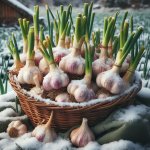
Growing Garlic Successfully in Cold Climates
Growing garlic successfully in cold climates primarily involves planting the right hardneck varieties in fall, providing ample mulch for winter protection, ensuring well-draining soil, and consistent spring fertilization. The cold winter temperatures are actually beneficial, triggering proper bulb development.
-
How to Create a Bog Garden in Wet Areas?
To create a bog garden in wet areas, identify a naturally low-lying spot with consistent moisture, or engineer a lined excavation to retain water, then fill it with an acidic, nutrient-poor, peat-based soil mix. This specialized environment will support unique and fascinating moisture-loving plants that thrive where others fail.
-
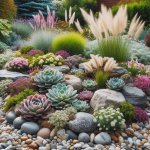
Best Plants for Low-Maintenance Rock Gardens
The best plants for low-maintenance rock gardens are typically alpine, succulent, or Mediterranean species that thrive in lean, well-draining soil and often tolerate drought once established. Key characteristics include compact growth, natural resilience, and minimal water or fertilization needs, allowing these plants to flourish with very little intervention.
-
Best Methods for Dealing with Dog Urine Spots on Your Lawn
To effectively deal with dog urine spots on your lawn, immediately dilute the affected area with water to reduce nitrogen concentration, and then focus on repairing dead spots through reseeding or patching. Preventing new spots through training, designated potty areas, and dietary supplements for your dog can significantly reduce future damage to your turf.
-
How to Avoid and Fix Lawn Puddling After Rain?
To avoid and fix lawn puddling after rain, the most effective strategies involve improving soil drainage through aeration and organic matter amendment, along with addressing grading issues that create low spots. Proactive measures in soil health and strategic landscaping can largely prevent water accumulation and its associated problems.
-
Effective Ways to Control Dollar Spot in Lawns
Dollar spot disease is a common lawn fungus that causes small, round patches of brown or straw-colored grass, usually about the size of a silver dollar. The disease thrives in warm, humid conditions and can quickly spread across the lawn, leading to an unsightly and uneven appearance. Fortunately, there are effective ways to control and prevent dollar spot disease, helping you maintain a lush and healthy lawn.
-
How to Treat Red Thread Disease in Your Lawn?
To treat Red Thread disease in your lawn, focus primarily on improving cultural practices, especially providing adequate nitrogen fertilization and reducing leaf wetness. Fungicides are generally a last resort for severe or persistent cases, as Red Thread rarely kills turf and can often be managed through good lawn care.