Gardening Doesn't Have to Be Complicated if You Know What You're Doing
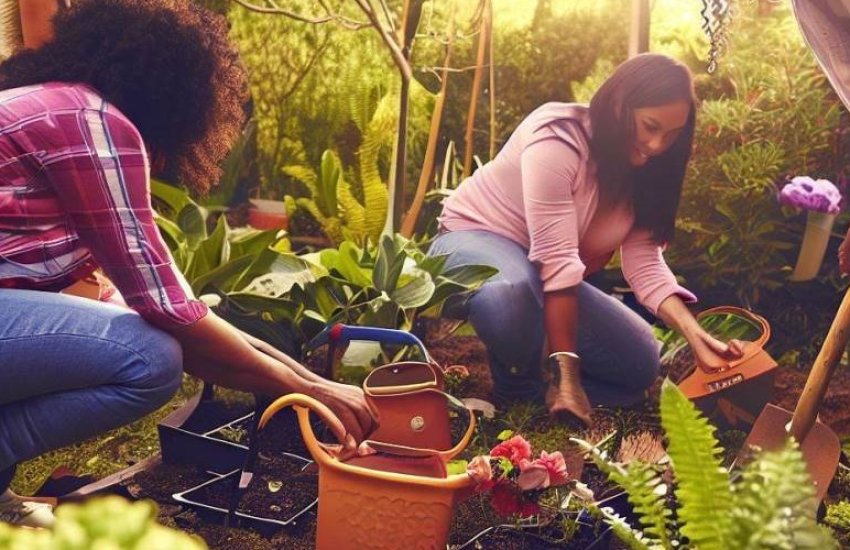
With just a bit of practical knowledge and the right tools, anyone can create a lush, vibrant garden space. Whether you're tending to houseplants, nurturing a vegetable patch, or crafting a backyard oasis, understanding a few fundamental tips can simplify the entire process. At GardenBotany.com, we're here to guide you every step of the way, making gardening enjoyable, stress-free, and accessible for everyone, from complete beginners to seasoned gardeners looking to perfect their green thumbs.
Latest Gardening Posts and Plant Care Tips
-

How Do You Propagate a Phalaenopsis Orchid?
To propagate a Phalaenopsis orchid, the most common and successful method for home growers is through the division of mature plants or by nurturing "keikis" (baby orchid plants) that naturally form on old flower spikes. Tissue culture is also possible but requires specialized lab conditions.
-
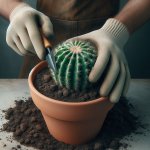
How do you repot a cactus plant?
To repot a cactus plant successfully, ensure you have the right well-draining soil and a pot with drainage holes, then carefully extract the cactus using protective measures like thick gloves or folded newspaper, minimizing root disturbance before replanting. This process revitalizes the cactus and supports its growth.
-
How to Plant a Butterfly Garden in Your Backyard?
To plant a butterfly garden in your backyard, you need to provide all four essential elements for their life cycle: nectar sources for adult butterflies, host plants for caterpillars, a water source, and shelter. The key is to select native plants that bloom throughout the seasons, ensuring a continuous food supply and safe habitat while avoiding pesticides.
-
How to Build a Rain Garden for Water Conservation?
To build a rain garden for water conservation, first identify a suitable location that collects stormwater runoff but is at least 10 feet from your home's foundation. Then, excavate a shallow basin, amend the soil with compost and sand to improve drainage, and plant a diverse selection of native plants suited to both wet and dry conditions.
-
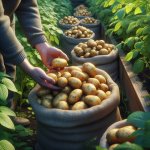
How to Grow Potatoes in a Bag: Simple Method
To grow potatoes in a bag, select a large grow bag, add a layer of well-draining potting mix, and plant certified seed potato pieces. The essential step is to progressively add more soil (hilling) around the green stems as they grow, which encourages the formation of new potato tubers higher up the stem. This simple method allows for easy potato cultivation even in limited spaces.
-
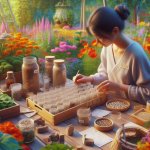
How to Start a Seed Bank for Your Garden: A Step-by-Step Guide
Creating a seed bank for your garden is one of the best ways to preserve your favorite plants, ensure future harvests, and cultivate a variety of crops. Having a seed bank allows you to grow a wider range of plants and saves you money in the long run, as you won’t need to buy seeds each season. Plus, you can keep seeds from rare or heirloom varieties, helping to preserve biodiversity and protect plant genetics.
-
Best Fruit Trees for Small Urban Gardens
Having fresh fruit at your fingertips is a dream for many city dwellers, and while space can be a limiting factor, it’s still possible to grow fruit trees in small urban gardens. With compact varieties, dwarf trees, and container-friendly options, you can enjoy a wide range of fruits even in limited space. These small but mighty trees bring both beauty and productivity to urban landscapes, providing fresh produce, lovely blooms, and a touch of nature to your backyard, patio, or balcony.
-
How to Attract Hummingbirds to Your Garden?
To attract hummingbirds to your garden, prioritize planting a variety of nectar-rich, tubular flowers in shades of red, orange, and pink. Supplement these natural food sources with well-maintained hummingbird feeders filled with a simple sugar solution.
-
How to Grow Vegetables in Cold Climates?
To grow vegetables in cold climates, success lies in extending the growing season, selecting cold-hardy plant varieties, and implementing protective structures that moderate temperature and buffer against harsh weather. Adapting your gardening techniques to suit shorter summers and colder temperatures is paramount.
-
Organic Methods to Prevent Weeds in Your Garden
Weeds can be a gardener’s worst enemy, competing with your plants for nutrients, sunlight, and water. While conventional weed control often involves chemical herbicides, these substances can harm the environment, your health, and beneficial insects. Fortunately, there are many organic methods to prevent weeds that are effective, safe, and environmentally friendly.