Gardening Doesn't Have to Be Complicated if You Know What You're Doing

With just a bit of practical knowledge and the right tools, anyone can create a lush, vibrant garden space. Whether you're tending to houseplants, nurturing a vegetable patch, or crafting a backyard oasis, understanding a few fundamental tips can simplify the entire process. At GardenBotany.com, we're here to guide you every step of the way, making gardening enjoyable, stress-free, and accessible for everyone, from complete beginners to seasoned gardeners looking to perfect their green thumbs.
Latest Gardening Posts and Plant Care Tips
-

Are Philodendron Plants Toxic to Pets?
Yes, philodendron plants are toxic to pets, including cats and dogs, due to the presence of insoluble calcium oxalate crystals. Ingestion can cause immediate irritation and discomfort, though typically not life-threatening.
-
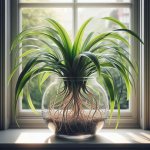
Can Spider Plants Be Grown in Water?
Spider plants, or Chlorophytum comosum, are among the most beloved houseplants due to their air-purifying abilities, resilience, and low maintenance needs. But beyond the usual practice of growing them in soil, many plant enthusiasts are curious: Can spider plants be grown in water? The answer is a resounding yes! These hardy plants can thrive in water, making them an excellent choice for anyone interested in a unique, soil-free growing experience.
-
Is Aloe Vera Safe for Pets?
Aloe vera is a popular plant, celebrated for its soothing gel used in everything from sunburn treatments to moisturizing lotions. It’s often considered a must-have for homes due to its easy maintenance and wide range of benefits for humans. But as more and more households include pets, pet owners are left wondering: Is aloe vera safe for pets? Let’s dive into this question in depth, breaking down the safety concerns, potential risks, and alternatives to keep both your home green and your pets healthy.
-
Why Are the Leaves of My ZZ Plant Turning Yellow?
The most common reason the leaves of your ZZ Plant are turning yellow is overwatering, which leads to root rot. Other factors include insufficient light, nutrient deficiencies, or natural aging of lower leaves. Addressing the root cause quickly can help your ZZ Plant recover and regain its vibrant green foliage.
-
The Best Fertilizer for Pothos Plants: A Comprehensive Guide
Pothos, often referred to as devil's ivy, is one of the most popular houseplants for both beginners and experienced plant enthusiasts alike. Known for its low maintenance and air-purifying qualities, Pothos is a perfect addition to any indoor garden. But like all plants, it thrives best when given the right nutrients. This leads to the all-important question: What is the best fertilizer for Pothos plants?
-
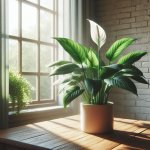
Can a Peace Lily Survive in Low Light?
The Peace Lily (Spathiphyllum), often celebrated for its stunning green foliage and elegant white blooms, is a favorite among houseplant enthusiasts. This tropical beauty is not only popular because of its aesthetic appeal but also for its resilience in various indoor conditions. One common question that often arises is whether the Peace Lily can survive in low light environments. In this comprehensive guide, we’ll explore the light needs of the Peace Lily, how it adapts to low light, and what you can do to help it thrive even in darker spaces.
-
What Drought-Tolerant Flowers Should I Plant in My Flower Garden?
For your flower garden, you should plant a variety of drought-tolerant flowers like Coneflower, Sedum, Lavender, Salvia, Yarrow, and Blanket Flower to ensure continuous bloom with minimal water. These plants are adapted to thrive in dry conditions once established, reducing your water bill and gardening effort.
-
When is the Best Time to Prune Honeyberry Plants?
The best time to prune honeyberry plants for optimal fruit production and plant health is primarily in late winter or early spring while the plant is still dormant. Light corrective pruning or shaping can also be done immediately after harvesting fruit in late spring/early summer, if necessary.
-
When is the Best Time to Prune Huckleberry Plants?
The best time to prune huckleberry plants is typically during their dormant season, in late winter or early spring, before new growth begins. This timing allows you to remove old, unproductive canes and shape the plant without sacrificing the current season's berries.
-
When is the Best Time to Prune Boysenberry Plants?
The best time to prune Boysenberry plants is immediately after they finish fruiting in late summer or early fall. This allows the plant to focus energy on developing new canes for next year's harvest and helps maintain plant health and vigor.