Gardening Doesn't Have to Be Complicated if You Know What You're Doing

With just a bit of practical knowledge and the right tools, anyone can create a lush, vibrant garden space. Whether you're tending to houseplants, nurturing a vegetable patch, or crafting a backyard oasis, understanding a few fundamental tips can simplify the entire process. At GardenBotany.com, we're here to guide you every step of the way, making gardening enjoyable, stress-free, and accessible for everyone, from complete beginners to seasoned gardeners looking to perfect their green thumbs.
Latest Gardening Posts and Plant Care Tips
-

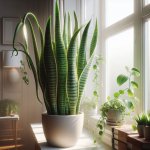
How Do I Fix a Drooping Snake Plant?
The snake plant (Sansevieria), also known as mother-in-law's tongue, is a popular houseplant renowned for its low maintenance and air-purifying properties. However, despite its hardy reputation, even this resilient plant can face some challenges. One common problem snake plant owners encounter is a drooping snake plant. If your snake plant’s once upright leaves are now sagging or leaning, don't worry — you’re not alone, and this issue can be remedied with the right approach.
-
How to Clean Fiddle Leaf Fig Leaves?
Keeping your fiddle leaf fig's leaves clean is crucial for its health and vibrant appearance. Dust and debris can accumulate on the large, broad leaves, hindering the plant's ability to photosynthesize effectively. This guide will walk you through the best methods to ensure your fiddle leaf fig's foliage remains spotless and thriving.
-
Does Monstera Deliciosa Need to Be Repotted Frequently?
Monstera deliciosa, often referred to as the "Swiss Cheese Plant," is a stunning tropical vine adored for its iconic, large, and perforated leaves. Originating from the rainforests of Central America, this plant has become a favorite among houseplant enthusiasts due to its easy care, adaptability, and striking appearance. While many aspects of caring for a Monstera deliciosa are relatively straightforward, repotting is an area that sometimes causes confusion for both new and experienced plant owners.
-
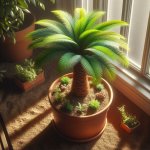
What Type of Soil Is Best for a Parlor Palm?
The parlor palm (Chamaedorea elegans) is a classic houseplant for good reason. Its elegant, feathery fronds bring a touch of the tropics indoors, and it's known for being relatively easy to care for, tolerant of lower light conditions, and wonderfully pet-friendly. However, even the most adaptable plants have specific preferences that unlock their full potential for lush growth. When it comes to the parlor palm, one of the most critical factors for its health is the type of soil it lives in. Getting the soil mix right is key to preventing common problems like root rot and ensuring your palm thrives for years to come.
-
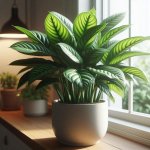
How Do I Fertilize My Dumb Cane Plant?
The Dumb Cane plant, also known by its scientific name Dieffenbachia, is a popular houseplant beloved for its lush, tropical foliage. Its large, striking leaves, often splashed or streaked with shades of green, white, cream, and yellow, bring a vibrant touch of the jungle indoors. It's relatively easy to care for, making it a favorite among both seasoned plant enthusiasts and those just beginning their indoor gardening journey. However, like all living things, a Dumb Cane needs more than just water and light to truly thrive; it also needs a balanced diet.
-
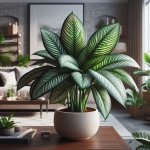
How to Revive a Dying Calathea Plant?
Is your once vibrant calathea plant looking a little sad? Are its leaves curling, edges browning, or is it just not as perky as it used to be? Don't toss it out just yet! Many calathea problems can be fixed with a bit of understanding and care. These beautiful, often dramatic, houseplants are known for their stunning foliage and unique leaf movements, but they can be a bit finicky. The good news is that with the right approach, you can bring your struggling prayer plant back from the brink and enjoy its lush beauty once more. This guide will walk you through common issues and provide practical steps to help your dying calathea thrive again.
-
Can Bird of Paradise Be Grown Indoors?
The dramatic foliage and iconic, crane-like blooms of the Bird of Paradise (Strelitzia reginae) instantly evoke images of tropical paradises. While commonly associated with warm outdoor climates, many aspiring indoor gardeners wonder: can Bird of Paradise be grown indoors? The exciting answer is a resounding yes! With the right conditions and consistent care, this stunning plant can absolutely thrive inside your home, becoming a magnificent focal point with its large, banana-like leaves. Though flowering indoors can be a challenge, the impressive foliage alone makes it a worthwhile endeavor. This comprehensive guide will walk you through the precise steps to cultivate a healthy and happy indoor Bird of Paradise, transforming a corner of your home into a lush, exotic retreat.
-
Can You Grow a Jade Plant From a Leaf Cutting?
The enduring charm of a jade plant lies in its sturdy, tree-like form and its plump, emerald-green leaves, making it a cherished succulent in many homes. It’s not just its aesthetic appeal but also its reputation for being incredibly resilient and easy to propagate that makes it so popular. Imagine taking a single, unassuming leaf from a mature jade plant and, with a little patience and the right technique, watching it transform into a brand-new, independent plant. This process is not only fascinating but also incredibly rewarding, allowing you to multiply your collection, share with friends, or simply extend the life of a beloved specimen.
-
How Do You Propagate Chinese Evergreen?
The Chinese Evergreen (Aglaonema) is a beloved houseplant, famous for its stunning, often variegated leaves and its ability to thrive in less-than-ideal light conditions. It's a fantastic choice for beginners and seasoned plant parents alike, adding a touch of lush, tropical beauty to any indoor space. What's even better is that if you already have a happy Chinese Evergreen, you can easily make more! This process, known as propagation, allows you to create new plants from parts of an existing one.
-
How Long Do Phalaenopsis Orchids Live?
The captivating beauty of Phalaenopsis orchids, often called "moth orchids" due to their delicate, wing-like petals, makes them a favorite among houseplant enthusiasts. A common question that arises for new and experienced growers alike is, "Just how long can these stunning plants grace my home with their presence?" The good news is, with proper care and understanding, your beloved Phalaenopsis orchid can thrive and rebloom for many years, becoming a long-term member of your indoor plant collection. Their lifespan isn't a fixed number but rather a testament to consistent and appropriate horticultural practices.