Gardening Doesn't Have to Be Complicated if You Know What You're Doing

With just a bit of practical knowledge and the right tools, anyone can create a lush, vibrant garden space. Whether you're tending to houseplants, nurturing a vegetable patch, or crafting a backyard oasis, understanding a few fundamental tips can simplify the entire process. At GardenBotany.com, we're here to guide you every step of the way, making gardening enjoyable, stress-free, and accessible for everyone, from complete beginners to seasoned gardeners looking to perfect their green thumbs.
Latest Gardening Posts and Plant Care Tips
-

Can Cactus Plants Survive in Low Light Conditions?
Cactus plants often bring to mind images of scorching deserts, endless sunshine, and tough, resilient greenery. It's easy to picture them thriving under a blazing sun, which leads many people to believe that they need constant, intense light to survive. If you’ve ever tried to grow a cactus indoors, you might have wondered if your living room, with its limited sunlight, is really the right place for it. Can these desert dwellers truly adapt to a less-than-sunny spot?
-
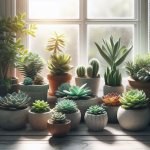
Can Succulents Be Grown Indoors?
The appeal of succulents is undeniable. Their unique shapes, fascinating textures, and often vibrant colors make them truly captivating additions to any space. Often associated with arid, sunny landscapes, many people wonder if these resilient plants can truly thrive within the confines of a home. The good news is, absolutely! Succulents can be grown indoors, and they make fantastic houseplants for both seasoned plant parents and eager beginners. Their low-maintenance reputation and drought-tolerant nature make them incredibly forgiving, even for those who might occasionally forget to water.
-
How Do I Increase Humidity for My Boston Fern?
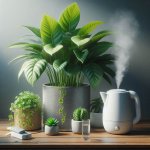
Nurturing a lush, vibrant Boston fern indoors often hinges on one crucial environmental factor: humidity. These classic houseplants are renowned for their feathery, cascading fronds, but they hail from tropical, moist environments, making them particularly sensitive to dry indoor air. Understanding how to increase humidity for your Boston fern is paramount to preventing crispy fronds and maintaining its signature verdant splendor, transforming a struggling plant into a flourishing green spectacle.
-
What Are the Common Pests That Affect Rubber Plants?
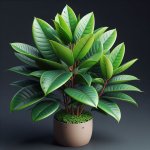
Bringing a lush rubber plant (Ficus elastica) into your home instantly adds a touch of vibrant green and architectural beauty. With their glossy, large leaves, these popular houseplants are generally low-maintenance and can grow quite tall, becoming a striking focal point. However, like most indoor plants, they aren't entirely immune to unwanted visitors. Understanding the common pests that affect rubber plants and knowing how to identify and treat them is crucial for keeping your leafy companion healthy and thriving.
-
Why Are the Leaves of My Philodendron Turning Yellow?
With their lush, often heart-shaped leaves and graceful trailing or upright habits, Philodendron plants are a staple in homes and offices around the world. From the classic Heartleaf Philodendron (Philodendron hederaceum) to the striking split-leaf varieties (often confused with Monstera), these tropical beauties bring a touch of vibrant green and a sense of natural tranquility to any indoor space. Known for their relatively easy care and adaptability, Philodendrons are a popular choice for both seasoned plant parents and eager beginners looking to expand their indoor jungle.
-
Why Are the Tips of My Spider Plant Turning Brown?
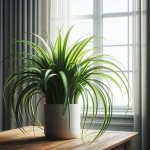
Few houseplants are as iconic and easy to love as the spider plant (Chlorophytum comosum). With their cheerful striped leaves and charming "spiderettes" dangling like green chandeliers, they're a popular choice for beginners and experienced plant parents alike. They're often celebrated for their hardiness and air-purifying qualities, making them a staple in many indoor spaces. However, even these resilient green companions can occasionally present a common puzzle: browning leaf tips.
-
How Can You Use Aloe Vera for Skin Care?
For centuries, people have turned to the humble aloe vera plant for its amazing healing properties. This succulent, with its thick, fleshy leaves, holds a clear gel that's packed with benefits, especially for your skin. It's like a natural first-aid kit, ready to soothe, hydrate, and protect. Whether it's a minor burn, a persistent dry patch, or just a desire for healthier skin, aloe vera has likely been a part of the solution for generations.
-
How Do I Repot a ZZ Plant?
The ZZ plant, scientifically known as Zamioculcas zamiifolia, is a popular houseplant celebrated for its striking, waxy, dark green leaves and incredibly low-maintenance nature. It's a favorite among busy individuals and those new to plant care because of its remarkable ability to tolerate neglect, including infrequent watering and low light conditions. Despite its resilience, even the hardiest plants eventually outgrow their homes or benefit from a refresh. Learning how to repot a ZZ plant is a straightforward process that ensures its continued health and allows it to flourish for many years in your care.
-
How Do I Prune My Pothos to Encourage Growth?
Pothos plants are super popular, and for good reason! They're easy to care for, look beautiful trailing from shelves or hanging baskets, and can even help clean your air. But did you know that giving your pothos a good trim can actually make it grow more? It's true! Pruning isn't just about making your plant look neat; it's a secret weapon for encouraging a bushier, healthier plant.
-
What Are the Common Pests or Diseases of a Peace Lily?
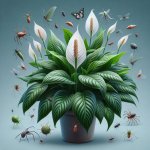
Peace Lilies (Spathiphyllum) are incredibly popular houseplants, cherished for their elegant white "flowers" (which are actually modified leaves called spathes) and glossy green foliage. They're often seen as easy-care plants, capable of tolerating a range of indoor conditions, including lower light. Many people love them for their air-purifying qualities and the serene beauty they bring to a room. While generally robust, even these graceful plants can sometimes encounter issues with pests or diseases.