Gardening Doesn't Have to Be Complicated if You Know What You're Doing
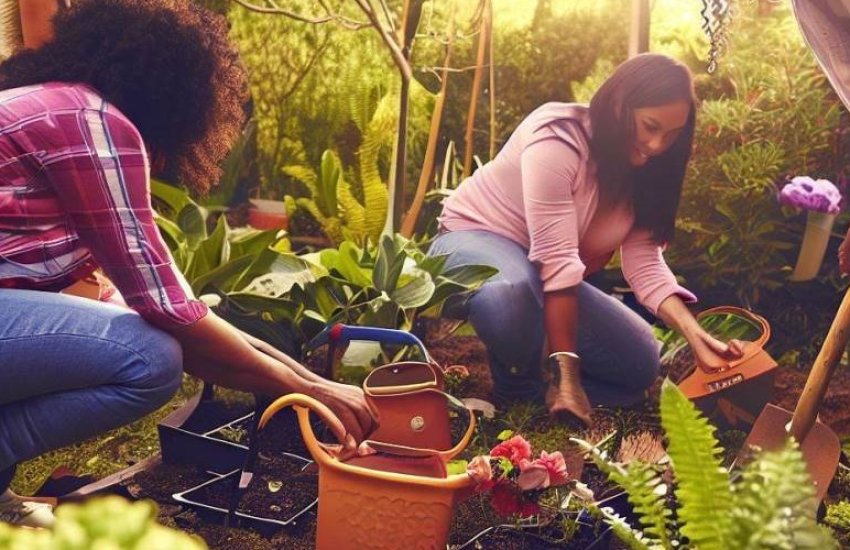
With just a bit of practical knowledge and the right tools, anyone can create a lush, vibrant garden space. Whether you're tending to houseplants, nurturing a vegetable patch, or crafting a backyard oasis, understanding a few fundamental tips can simplify the entire process. At GardenBotany.com, we're here to guide you every step of the way, making gardening enjoyable, stress-free, and accessible for everyone, from complete beginners to seasoned gardeners looking to perfect their green thumbs.
Latest Gardening Posts and Plant Care Tips
-

What Are the Best Growing Conditions for Pomegranate Plants?
Cultivating the resilient and fruitful pomegranate plant offers the delight of homegrown, jewel-toned arils, but successful yields hinge on providing specific environmental conditions. Understanding what are the best growing conditions for pomegranate plants is paramount for nurturing these ancient beauties, ensuring they thrive and produce abundant, delicious fruit. This comprehensive guide will explore the ideal climate, soil, light, and water requirements to unlock the full potential of your pomegranate trees or shrubs.
-
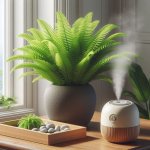
Why Are the Leaves of My Boston Fern Turning Brown?
The Boston fern (Nephrolepis exaltata 'Bostoniensis') is a classic houseplant. It's loved for its lush, graceful fronds that can fill a space with vibrant green beauty. It's a popular choice for hanging baskets and adding a touch of nature indoors. But if you own one, you've probably faced a common and frustrating problem: brown leaves. Seeing those once-lively green fronds turn crispy and brown can make any plant parent worried. Don't throw in the towel yet! Most of the time, brown leaves on a Boston fern are a cry for help about its environment. Let's figure out why your fern is browning and how you can bring it back to its glorious green self.
-
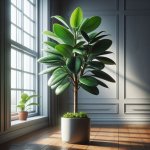
How Can I Encourage My Rubber Plant to Grow Taller?
Your rubber plant (Ficus elastica) is a beautiful houseplant, known for its glossy, large leaves and impressive height when happy. But sometimes, these wonderful plants seem to just stop growing upwards. It can be frustrating when you want a tall, striking plant, and yours stays stubbornly short. Understanding why your rubber plant isn't gaining height is the first step to helping it reach its full potential. Several factors can slow down or stop vertical growth, from its environment to its care routine. Learning about these common issues will give you the tools to encourage that beautiful upward stretch.
-
How Do I Propagate a Philodendron Plant?
Have you ever looked at your lush, vining Philodendron plant and wished you could have more of its beautiful, heart-shaped leaves to fill another corner of your home, or share with a friend? Good news: propagating a Philodendron is incredibly easy! These popular houseplants are remarkably generous, readily rooting from cuttings and allowing you to expand your green family without buying new plants.
-
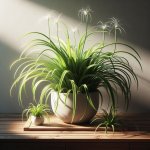
What Type of Light Does a Spider Plant Need?
Imagine trying to live without food. That's what a plant faces without enough light. For houseplants, light is not just important; it's absolutely crucial for their survival and health. It’s the energy source that fuels almost everything they do.
-
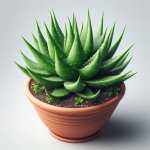
What is the Best Soil for Aloe Vera?
Have you ever wondered why your Aloe vera plant isn't thriving? Maybe its leaves are turning yellow, or they feel mushy. Often, the problem isn't how much water you give it, but what kind of soil it's sitting in. Aloe vera is a tough plant, but it has very specific needs when it comes to its roots. Giving your Aloe vera the right soil is the most important step for a happy, healthy plant. It can make all the difference in its growth and even prevent common problems like root rot.
-
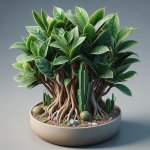
What Soil Type is Best for ZZ Plants?
The ZZ Plant (Zamioculcas zamiifolia) is famous for being super easy to care for. It's often recommended for beginners or people who forget to water their plants. But even these tough guys can struggle if they're not in the right soil. If your ZZ Plant leaves are turning yellow, getting mushy, or the whole plant just looks sad, the soil might be the problem. Getting the soil right is the secret to a thriving, healthy ZZ Plant. It's the most important step to prevent common problems, especially root rot.
-
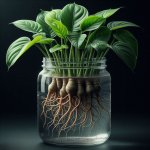
Can Pothos Grow in Water?
Absolutely! If you're wondering, "can Pothos grow in water?" the answer is a resounding yes! This incredibly popular and resilient houseplant, also known as Devil's Ivy, is one of the easiest and most satisfying plants to grow hydroponically, meaning without soil. Growing Pothos in water offers a unique way to display its trailing vines and vibrant foliage, creating beautiful, low-maintenance living decor for any space. It's a fantastic option for beginners, those with limited space, or anyone looking for a different approach to plant care.
-
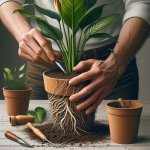
How Do I Repot a Peace Lily?
Knowing when and how to give your peace lily a new home is key to its long-term health. These lovely plants, known for their elegant white "flowers" (which are actually modified leaves called spathes), thrive when their roots have enough room to grow. If you've noticed your peace lily looking a bit crowded, wilting often despite regular watering, or its roots are peeking out of the drainage holes, it's likely time for a repotting adventure. This guide will walk you through every step, ensuring your beloved plant continues to flourish and bring a touch of green tranquility to your space.
-
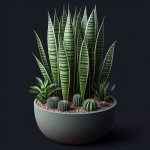
What Is the Best Soil for a Snake Plant?
Snake plants, also known as Sansevieria or mother-in-law's tongue, are popular houseplants. They are known for being super easy to care for, even if you don't have a green thumb. One big reason they are so low-maintenance is their ability to handle tough conditions. They can go a while without water and don't need a lot of fuss. But even tough plants have preferences. Getting the right soil mix is key to making your snake plant really happy and helping it grow strong. Think of it like giving a strong person the right food; they'll do even better. This guide will walk you through everything you need to know about picking or making the perfect potting mix for your snake plant. We'll cover what good soil looks like, what to avoid, and how to keep your plant thriving.