Gardening Doesn't Have to Be Complicated if You Know What You're Doing

With just a bit of practical knowledge and the right tools, anyone can create a lush, vibrant garden space. Whether you're tending to houseplants, nurturing a vegetable patch, or crafting a backyard oasis, understanding a few fundamental tips can simplify the entire process. At GardenBotany.com, we're here to guide you every step of the way, making gardening enjoyable, stress-free, and accessible for everyone, from complete beginners to seasoned gardeners looking to perfect their green thumbs.
Latest Gardening Posts and Plant Care Tips
-

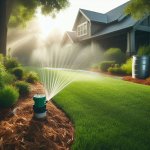
Watering Wisely: Best Practices for Efficient Lawn Irrigation
Watering wisely involves best practices for efficient lawn irrigation, prioritizing deep and infrequent watering (about 1 inch per week) exclusively in the early morning. This strategy encourages robust, deep root growth, maximizes water absorption, and significantly reduces the risk of water waste and common lawn diseases.
-
Hydroponic Innovations: Emerging Technologies Revolutionizing Urban Agriculture
Hydroponic innovations, through emerging technologies, are rapidly revolutionizing urban agriculture by enabling vertical farming, controlled environment agriculture (CEA), and smart, automated systems. These advancements significantly increase food production in limited city spaces, conserve water and land, and offer year-round, locally grown fresh produce with minimized environmental impact.
-
Exploring Hydroponic Flowers: How to Cultivate Stunning Blooms Without Soil
Exploring hydroponic flowers to cultivate stunning blooms without soil involves providing a meticulously controlled environment with optimized nutrient solutions, precise pH levels, and ample full-spectrum light. This soilless method offers faster growth, enhanced bloom quality, and the unique ability to grow a wider variety of flowers indoors, regardless of outdoor conditions.
-
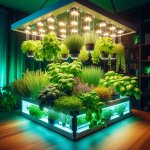
Hydroponic Herbs: A Flavorful Guide to Growing Fresh Culinary Delights
Hydroponic herbs offer a flavorful guide to growing fresh culinary delights by cultivating plants without soil, directly in nutrient-rich water solutions. This method allows for faster growth, higher yields, and year-round harvesting of herbs like basil, mint, and lettuce, providing unmatched freshness and convenience for any home cook.
-
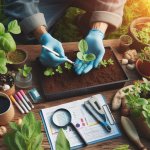
Spotting and Treating Nutrient Deficiencies in Plants
Spotting and treating nutrient deficiencies in plants requires careful observation of specific leaf discoloration patterns, as these visual cues indicate missing essential elements. The primary solution involves conducting a soil test to confirm deficiencies and soil pH, then applying targeted fertilizers or amendments to restore the correct balance and ensure healthy plant growth.
-
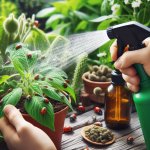
Managing Aphid Infestations: Natural Remedies and Prevention
Managing aphid infestations involves a combination of natural remedies and prevention, starting with vigilant monitoring and fostering beneficial insects. For active infestations, use strong water blasts, hand-wiping, or targeted organic sprays like insecticidal soap or neem oil. Prevention relies on healthy plants, proper fertilization, and diversifying your garden to attract predators.
-
Understanding Root Rot: Prevention and Treatment Techniques
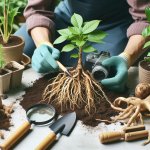
Understanding root rot is crucial for any gardener, as it's a common and often fatal plant disease. Prevention primarily involves correct watering habits, using well-draining soil and pots with drainage holes, and improving soil aeration. Treatment, if caught early, focuses on carefully pruning away diseased roots and repotting into fresh, dry soil.
-
Dealing with Fungal Infections: Tips for Healthy Plants
Dealing with fungal infections and ensuring healthy plants involves a comprehensive approach focused on prevention through optimal cultural practices like proper spacing, watering, and sanitation. When infections do occur, early identification and targeted treatments using organic or synthetic fungicides, coupled with removing affected plant parts, are crucial for effective control.
-
Troubleshooting Leaf Discoloration: A Guide for Gardeners
Troubleshooting leaf discoloration requires a systematic approach, as it's a primary indicator of plant stress. This guide helps gardeners identify the cause by observing the pattern and location of discoloration, checking watering habits and soil conditions, and inspecting for pests or diseases, then applying targeted solutions to restore plant health.
-
10 Common Plant Pests: Identification and Control Strategies
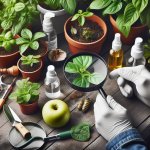
To identify and control 10 common plant pests, vigilantly inspect your plants for specific signs of damage and visible insects. Implement an integrated pest management (IPM) strategy that prioritizes cultural practices, manual removal, and biological controls, using targeted organic or chemical treatments only when necessary to minimize harm to beneficial insects and the environment.