Gardening Doesn't Have to Be Complicated if You Know What You're Doing

With just a bit of practical knowledge and the right tools, anyone can create a lush, vibrant garden space. Whether you're tending to houseplants, nurturing a vegetable patch, or crafting a backyard oasis, understanding a few fundamental tips can simplify the entire process. At GardenBotany.com, we're here to guide you every step of the way, making gardening enjoyable, stress-free, and accessible for everyone, from complete beginners to seasoned gardeners looking to perfect their green thumbs.
Latest Gardening Posts and Plant Care Tips
-

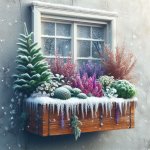
The Do's and Don'ts of Winter Window Box Planting
For successful winter window box planting, the crucial do's include selecting cold-hardy and evergreen plants, prioritizing texture and form over flowers, and providing excellent drainage and insulation. The key don'ts involve avoiding tender plants, overwatering, or neglecting winter care, as these can quickly lead to plant failure in freezing temperatures.
-
Overwintering Perennials: Tips for Keeping Your Garden Alive in the Cold
Overwintering perennials for your garden involves a strategic approach to prepare them for dormancy, provide crucial insulation against freezing temperatures, and protect against desiccation. Key tips include proper fall cleanup, applying a thick layer of mulch, managing moisture, and sometimes lifting tender varieties or bringing container plants indoors to keep your garden alive through the cold.
-
Protecting Your Plants from Winter's Chill: The Ultimate Guide
Protecting your plants from winter's chill requires a strategic approach that involves understanding your USDA hardiness zone, selecting cold-hardy species, providing adequate insulation, managing moisture levels, and implementing protective covers. This ultimate guide offers various methods to shield vulnerable plants from frost, desiccation, and damaging winter conditions, ensuring their survival and vigorous return in spring.
-
Common Winter Planting Problems and How to Prevent Them
Common winter planting problems, ranging from frost damage and root desiccation to poorly draining soils and pest infestations in protected spaces, can severely hinder plant survival and growth. To prevent these issues, successful winter planting relies on choosing cold-hardy plants, providing adequate insulation, managing moisture carefully, and preparing your garden beds or protected environments meticulously.
-
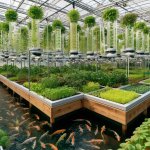
Aquaponics for Mini Farming: A Step-by-Step Setup Guide
Aquaponics for mini farming involves creating a symbiotic ecosystem where fish waste provides nutrients for growing plants, and the plants, in turn, filter the water for the fish. This step-by-step setup guide will walk you through establishing a small, efficient system that produces both fresh fish and vegetables with minimal water usage and no soil.
-
The Economics of Mini Farming: Cost-Effective Planting and Harvesting
The economics of mini farming revolve around cost-effective planting and harvesting strategies that maximize output while minimizing expenses and resource consumption. This means focusing on high-value, high-yield crops, implementing sustainable practices like composting and rainwater harvesting, and making smart investments in tools and infrastructure that pay off over time.
-
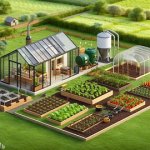
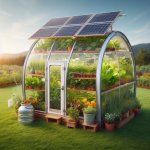
Building a Mini Greenhouse: Extend the Growing Season on Your Mini Farm
Building a mini greenhouse for your mini farm is an excellent way to extend the growing season by trapping solar heat, protecting plants from frost, and providing a controlled environment. This allows for earlier spring planting, longer fall harvests, and even year-round cultivation of certain crops, significantly boosting your farm's productivity regardless of your regional climate.
-
Pest Control on a Mini Farm: Organic Solutions That Work
Effective pest control on a mini farm relies heavily on organic solutions that work with nature, prioritizing prevention, attracting beneficial insects, and employing physical barriers and homemade remedies before resorting to targeted biological or organic sprays. The goal is to create a balanced ecosystem where pests are managed, not eradicated, ensuring a healthy and productive farm.
-
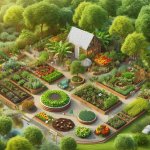
Incorporating Permaculture into Your Mini Farm Design
Incorporating permaculture into your mini farm design involves creating self-sustaining, ecologically harmonious systems that mimic natural ecosystems, aiming for efficiency, productivity, and reduced labor. Key principles include observing nature, maximizing edges, integrating diverse elements, and harnessing natural energy flows to build a resilient and abundant food-producing space.
-
The Mini Farming Bible: Essential Tips for Year-Round Cultivation
The Mini Farming Bible provides essential tips for year-round cultivation by emphasizing intensive planting, succession planting, season extension techniques, and optimizing soil health within limited spaces. The core principle is to make every square foot productive across all four seasons, ensuring a continuous harvest of fresh produce for increased self-sufficiency.