Gardening Doesn't Have to Be Complicated if You Know What You're Doing
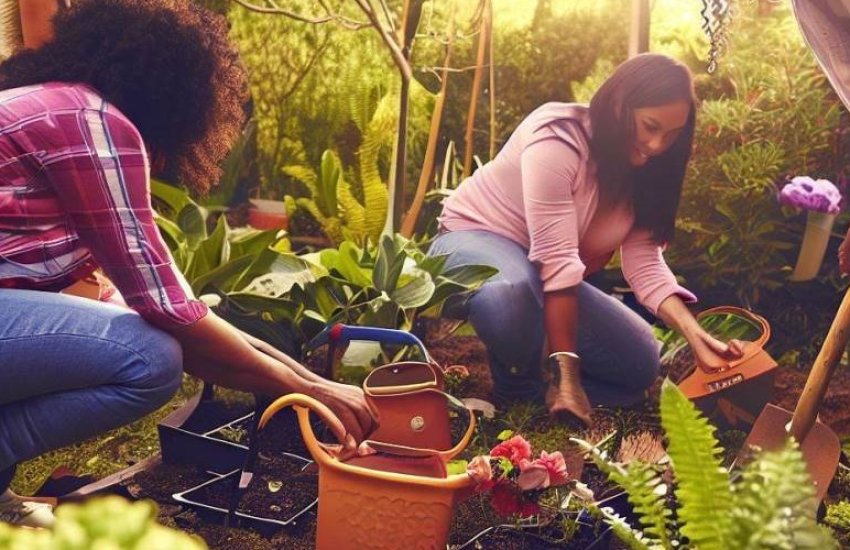
With just a bit of practical knowledge and the right tools, anyone can create a lush, vibrant garden space. Whether you're tending to houseplants, nurturing a vegetable patch, or crafting a backyard oasis, understanding a few fundamental tips can simplify the entire process. At GardenBotany.com, we're here to guide you every step of the way, making gardening enjoyable, stress-free, and accessible for everyone, from complete beginners to seasoned gardeners looking to perfect their green thumbs.
Latest Gardening Posts and Plant Care Tips
-

Sustainable Holiday Decor: Why a Cactus Christmas Tree is an Eco-Friendly Choice
A cactus Christmas tree is an eco-friendly choice for sustainable holiday decor primarily because it is reusable year after year, significantly reducing waste associated with single-use cut trees. Beyond its reusability, it requires minimal resources (water, energy), offers a unique aesthetic, and promotes a conscious shift towards sustainable living during the festive season.
-
DIY Guide: Crafting a Mini Cactus Christmas Tree for Small Spaces
Crafting a mini cactus Christmas tree for small spaces is a fun DIY project that offers a unique, sustainable, and charming holiday decoration. To create one, choose a compact, upright cactus or succulent, use a festive planter, and adorn it with lightweight, battery-operated LED fairy lights and tiny, non-damaging ornaments, embracing a desert or minimalist theme.
-
5 Unique Cactus Varieties Perfect for Your Christmas Tree Project
5 unique cactus varieties perfect for your Christmas tree project offer a fun, sustainable, and distinctly Southwestern twist to holiday decorating. Ideal choices include tall, columnar cacti, branching euphorbias, or large, sculptural succulents that provide an upright, tree-like silhouette, allowing for creative, non-damaging ornamentation.
-
Creating a Festive Desert Vibe: How to Decorate a Cactus Christmas Tree
To decorate a cactus Christmas tree and create a festive desert vibe, prioritize lightweight, non-damaging ornaments that can be gently hung or clipped onto spines, and opt for warm white or color-changing LED fairy lights that are battery-operated. Enhance the desert theme with earthy tones, natural elements, and unique Southwestern-inspired decorations, ensuring the cactus's health is always protected.
-
Cold-Weather Composting: A Step-by-Step Guide to Get It Right
Cold-weather composting requires a step-by-step guide to get it right, focusing on maintaining microbial activity despite freezing temperatures. The key is to build a large, well-insulated pile before winter, chop materials finely, and continue adding kitchen scraps, understanding that decomposition will slow down or pause, but resume in spring.
-
Maximizing Growth: Choosing the Right Greenhouse Plants for Winter
Maximizing growth by choosing the right greenhouse plants for winter involves selecting varieties that tolerate lower light, prefer cooler temperatures, and have a shorter daylight hour requirement. Focus on cool-season vegetables, certain herbs, or specific ornamental plants that can thrive in the naturally reduced light and often cooler conditions of an unheated or minimally heated winter greenhouse.
-
Winter Planting Woes: How to Deal with Frost Heave and Soil Erosion
To deal with frost heave and soil erosion, two common winter planting woes, prioritize heavy winter mulching to insulate soil and prevent freeze-thaw cycles. Additionally, establish dense plant cover or groundcovers, use erosion control blankets on slopes, and ensure proper drainage to stabilize soil and keep plants rooted.
-
Winter Mulching Techniques: Protecting Your Soil Against Freeze
Winter mulching techniques are essential for protecting your soil against freeze, insulating plant roots, and preventing damaging freeze-thaw cycles. Key strategies involve applying a thick layer of organic mulch (like straw or shredded leaves) after the ground has frozen, ensuring the mulch is breathable and kept away from plant crowns to prevent rot.
-
Top Mistakes to Avoid with Winter Indoor Gardening
To avoid the top mistakes with winter indoor gardening, gardeners must drastically reduce watering frequency, cease or significantly reduce fertilization, and actively provide supplemental light and increased humidity. Ignoring these crucial seasonal adjustments leads to root rot, leggy growth, and pest infestations that can quickly decimate houseplants.
-
Indoor Plant Care: How to Keep Houseplants Healthy in Winter
To keep houseplants healthy in winter, the key is to adjust your care routine significantly to account for reduced light, lower humidity, and cooler indoor temperatures. Focus on less frequent watering, providing supplemental light and increased humidity, and avoiding fertilization during their dormant or semi-dormant period.