Gardening Doesn't Have to Be Complicated if You Know What You're Doing
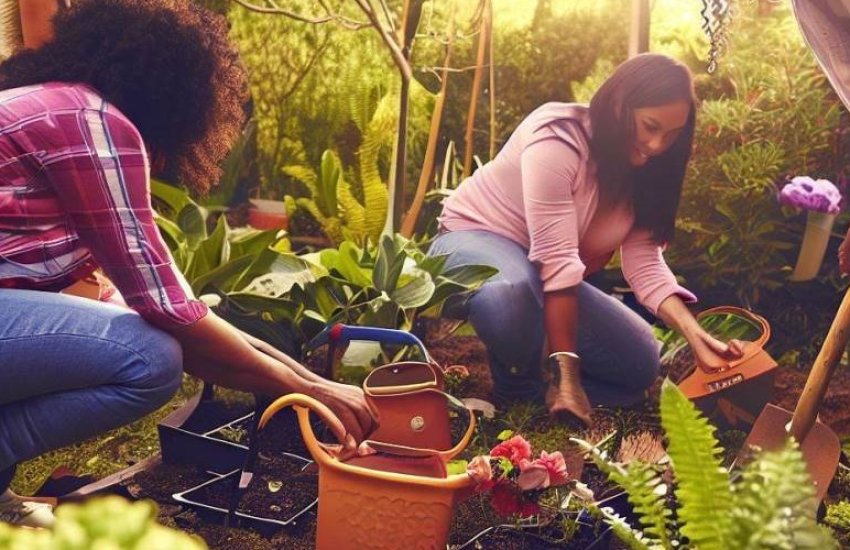
With just a bit of practical knowledge and the right tools, anyone can create a lush, vibrant garden space. Whether you're tending to houseplants, nurturing a vegetable patch, or crafting a backyard oasis, understanding a few fundamental tips can simplify the entire process. At GardenBotany.com, we're here to guide you every step of the way, making gardening enjoyable, stress-free, and accessible for everyone, from complete beginners to seasoned gardeners looking to perfect their green thumbs.
Latest Gardening Posts and Plant Care Tips
-

Composting and Soil Health: How Compost Nourishes Earth and Plants
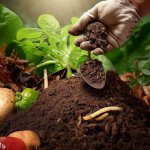
Compost dramatically nourishes earth and plants by acting as a powerful soil amendment, transforming depleted soil into a thriving ecosystem rich in nutrients, beneficial microorganisms, and organic matter. Through composting and soil health, organic waste becomes "black gold" that improves soil structure, enhances water retention, and provides a balanced food source for vigorous plant growth.
-
Composting for Apartment Complexes: How to Start a Large-Scale Program
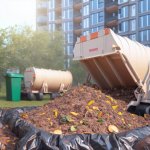
Composting for apartment complexes is not only possible but increasingly essential, offering a large-scale solution for managing organic waste from numerous residents. Starting such a program requires careful planning, robust infrastructure, and consistent communication to successfully divert food scraps and other organic materials into valuable soil amendments.
-
Composting and Pest Control: How to Manage Pests in Your Compost Pile
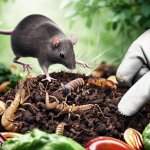
To manage pests in your compost pile, the most effective strategy involves preventing their attraction in the first place through proper material management, maintaining optimal composting conditions, and choosing the right composting system. A well-maintained compost pile, free from tempting items and unpleasant odors, is naturally less attractive to unwanted critters and insects.
-
Composting 201: Advanced Tips to Take Your Compost to the Next Level
To take your compost to the next level, you need to move beyond basic pile management and focus on optimizing microbial activity, nutrient balancing, and advanced techniques. This involves understanding the science behind decomposition, refining your input materials, and potentially experimenting with specialized composting methods for superior results.
-
Composting with Yard Waste: Turn Garden Clippings into Rich Compost
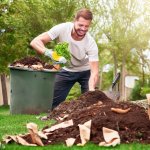
Yes, composting with yard waste is an incredibly effective and eco-friendly way to transform garden clippings into rich, nutrient-dense compost that enhances your soil and nourishes your plants. Instead of sending leaves, grass clippings, and plant trimmings to the landfill, you can easily convert them into a valuable resource for your garden.
-
Composting on a Time Crunch: Quick and Efficient Ways to Compost
Yes, composting on a time crunch is absolutely achievable through various quick and efficient methods that minimize labor while maximizing waste transformation. You don't need to dedicate hours each week to turn piles; smart choices in equipment and technique allow even the busiest gardeners to convert organic waste into valuable soil amendment.
-
Community Composting: Strengthen Neighborhoods with Sustainable Practices
Community composting is a collaborative effort where multiple households or organizations pool their organic waste to create compost collectively, transforming food scraps and yard waste into nutrient-rich soil amendments. This sustainable practice not only reduces landfill waste but also actively strengthens neighborhoods by fostering cooperation, environmental awareness, and a shared resource.
-
Composting for Pet Owners: Handling Pet Waste in an Eco-Friendly Way
Yes, composting for pet owners is a viable and eco-friendly way to handle certain types of pet waste, significantly reducing landfill contributions and creating a valuable soil amendment. However, it's crucial to understand that not all pet waste is suitable for composting, particularly waste from carnivorous animals like dogs and cats, due to potential pathogen risks. For these animals, specialized pet waste composting systems or alternative disposal methods are recommended.
-
Composting with Leaves: Turning Fall Foliage into Gardener's Gold
Yes, composting with leaves is an exceptionally effective and environmentally friendly way to create a rich soil amendment for your garden. Fall foliage, often seen as yard waste, is actually a valuable organic resource brimming with nutrients and carbon, which makes it perfect for transforming into nutrient-rich compost or leaf mold.
-
Bokashi Composting: How to Ferment Food Waste for Nutrient-Rich Compost
Bokashi composting is a unique anaerobic fermentation process that breaks down food waste quickly and efficiently, turning it into a nutrient-rich material that enriches your garden soil. Unlike traditional composting, Bokashi utilizes a specialized microbial inoculant to ferment organic matter, including items typically avoided in conventional compost bins.