Houseplants Gardening Tips and Plant Care
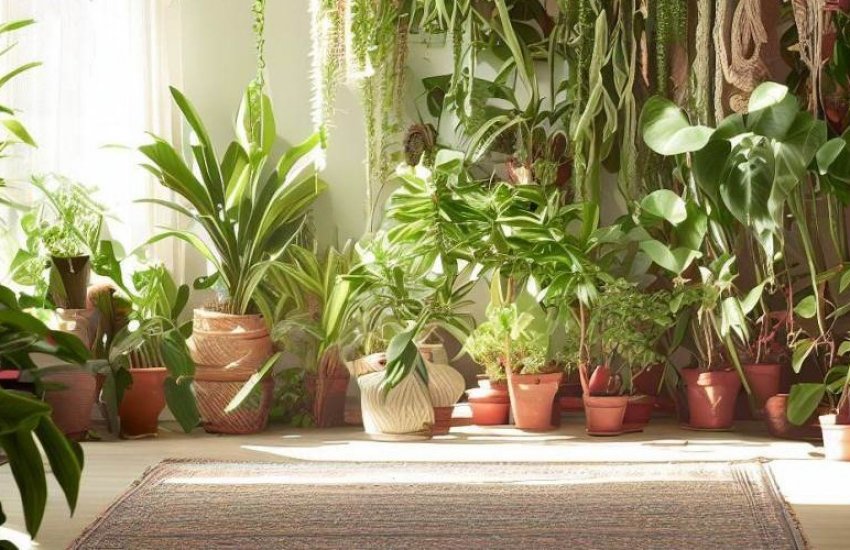
Houseplants bring life, beauty, and fresh air into your home, creating vibrant spaces that uplift your mood and enhance your decor. In our Houseplants category at GardenBotany.com, you'll find easy-to-follow guides and practical tips for choosing, growing, and caring for indoor plants, whether you're a first-time plant parent or a seasoned indoor gardener. Discover the best plants for your space, troubleshoot common issues like pests or watering problems, and learn proven techniques to keep your houseplants thriving, healthy, and beautiful all year round.
Recent Posts of Houseplants - Gardening Ideas
-

Is Aloe Vera Safe for Pets?
Aloe vera is a popular plant, celebrated for its soothing gel used in everything from sunburn treatments to moisturizing lotions. It’s often considered a must-have for homes due to its easy maintenance and wide range of benefits for humans. But as more and more households include pets, pet owners are left wondering: Is aloe vera safe for pets? Let’s dive into this question in depth, breaking down the safety concerns, potential risks, and alternatives to keep both your home green and your pets healthy.
-
Why Are the Leaves of My ZZ Plant Turning Yellow?
The most common reason the leaves of your ZZ Plant are turning yellow is overwatering, which leads to root rot. Other factors include insufficient light, nutrient deficiencies, or natural aging of lower leaves. Addressing the root cause quickly can help your ZZ Plant recover and regain its vibrant green foliage.
-
The Best Fertilizer for Pothos Plants: A Comprehensive Guide
Pothos, often referred to as devil's ivy, is one of the most popular houseplants for both beginners and experienced plant enthusiasts alike. Known for its low maintenance and air-purifying qualities, Pothos is a perfect addition to any indoor garden. But like all plants, it thrives best when given the right nutrients. This leads to the all-important question: What is the best fertilizer for Pothos plants?
-
Advertisement
-
Can a Peace Lily Survive in Low Light?
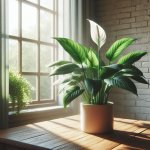
The Peace Lily (Spathiphyllum), often celebrated for its stunning green foliage and elegant white blooms, is a favorite among houseplant enthusiasts. This tropical beauty is not only popular because of its aesthetic appeal but also for its resilience in various indoor conditions. One common question that often arises is whether the Peace Lily can survive in low light environments. In this comprehensive guide, we’ll explore the light needs of the Peace Lily, how it adapts to low light, and what you can do to help it thrive even in darker spaces.
-
How Do I Fix a Drooping Snake Plant?
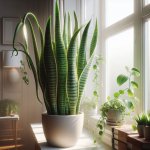
The snake plant (Sansevieria), also known as mother-in-law's tongue, is a popular houseplant renowned for its low maintenance and air-purifying properties. However, despite its hardy reputation, even this resilient plant can face some challenges. One common problem snake plant owners encounter is a drooping snake plant. If your snake plant’s once upright leaves are now sagging or leaning, don't worry — you’re not alone, and this issue can be remedied with the right approach.
-
How to Clean Fiddle Leaf Fig Leaves?
Keeping your fiddle leaf fig's leaves clean is crucial for its health and vibrant appearance. Dust and debris can accumulate on the large, broad leaves, hindering the plant's ability to photosynthesize effectively. This guide will walk you through the best methods to ensure your fiddle leaf fig's foliage remains spotless and thriving.
-
Does Monstera Deliciosa Need to Be Repotted Frequently?
Monstera deliciosa, often referred to as the "Swiss Cheese Plant," is a stunning tropical vine adored for its iconic, large, and perforated leaves. Originating from the rainforests of Central America, this plant has become a favorite among houseplant enthusiasts due to its easy care, adaptability, and striking appearance. While many aspects of caring for a Monstera deliciosa are relatively straightforward, repotting is an area that sometimes causes confusion for both new and experienced plant owners.
-
What Type of Soil Is Best for a Parlor Palm?
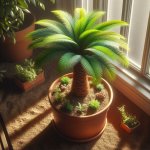
The parlor palm (Chamaedorea elegans) is a classic houseplant for good reason. Its elegant, feathery fronds bring a touch of the tropics indoors, and it's known for being relatively easy to care for, tolerant of lower light conditions, and wonderfully pet-friendly. However, even the most adaptable plants have specific preferences that unlock their full potential for lush growth. When it comes to the parlor palm, one of the most critical factors for its health is the type of soil it lives in. Getting the soil mix right is key to preventing common problems like root rot and ensuring your palm thrives for years to come.
-
How Do I Fertilize My Dumb Cane Plant?
The Dumb Cane plant, also known by its scientific name Dieffenbachia, is a popular houseplant beloved for its lush, tropical foliage. Its large, striking leaves, often splashed or streaked with shades of green, white, cream, and yellow, bring a vibrant touch of the jungle indoors. It's relatively easy to care for, making it a favorite among both seasoned plant enthusiasts and those just beginning their indoor gardening journey. However, like all living things, a Dumb Cane needs more than just water and light to truly thrive; it also needs a balanced diet.
-
How to Revive a Dying Calathea Plant?
Is your once vibrant calathea plant looking a little sad? Are its leaves curling, edges browning, or is it just not as perky as it used to be? Don't toss it out just yet! Many calathea problems can be fixed with a bit of understanding and care. These beautiful, often dramatic, houseplants are known for their stunning foliage and unique leaf movements, but they can be a bit finicky. The good news is that with the right approach, you can bring your struggling prayer plant back from the brink and enjoy its lush beauty once more. This guide will walk you through common issues and provide practical steps to help your dying calathea thrive again.