Houseplants Gardening Tips and Plant Care
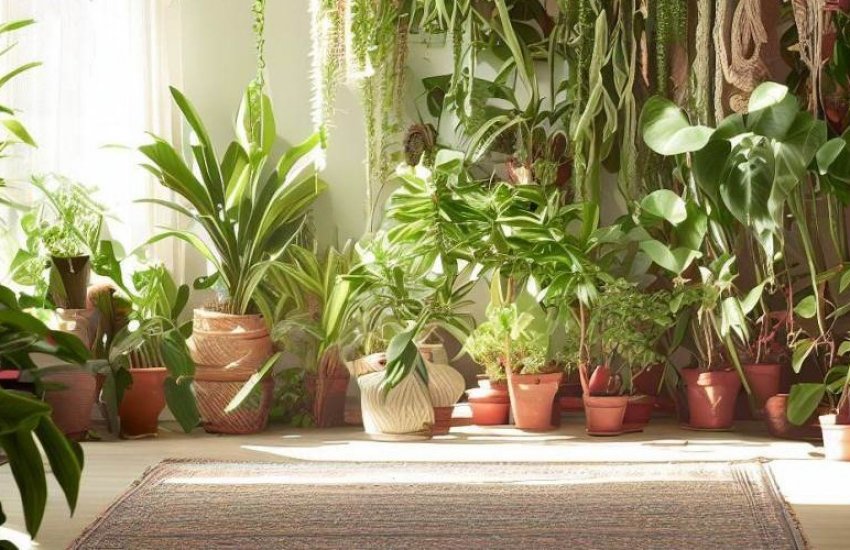
Houseplants bring life, beauty, and fresh air into your home, creating vibrant spaces that uplift your mood and enhance your decor. In our Houseplants category at GardenBotany.com, you'll find easy-to-follow guides and practical tips for choosing, growing, and caring for indoor plants, whether you're a first-time plant parent or a seasoned indoor gardener. Discover the best plants for your space, troubleshoot common issues like pests or watering problems, and learn proven techniques to keep your houseplants thriving, healthy, and beautiful all year round.
Recent Posts of Houseplants - Gardening Ideas
-

The Benefits of Growing Bird of Paradise
The Bird of Paradise (Strelitzia reginae) is an iconic, tropical-looking plant that can instantly transform your indoor or outdoor garden into a lush paradise. Known for its stunning flowers resembling the vibrant plumage of a bird in flight, this plant offers much more than just its exotic appearance. From air-purifying qualities to attracting beneficial wildlife, the Bird of Paradise plant brings a wide range of benefits that both novice and experienced gardeners will appreciate.
-
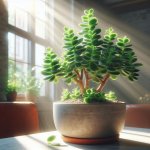
What Type of Soil is Best for Jade Plants?
Jade plants (Crassula ovata) are a popular choice for both indoor and outdoor gardeners due to their low maintenance, striking appearance, and potential to thrive in various environments. However, one of the most critical aspects of caring for jade plants is ensuring they are planted in the correct type of soil. This succulent’s survival largely depends on the quality of its growing medium, making it essential to know exactly what type of soil jade plants need to flourish.
-
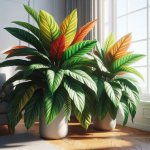
Ideal Growing Conditions for Chinese Evergreen
Chinese Evergreen, scientifically known as Aglaonema, is a popular indoor plant native to the tropical and subtropical regions of Asia and New Guinea. Its vibrant foliage and low-maintenance needs make it an excellent choice for both beginners and experienced plant enthusiasts. To ensure that your Chinese Evergreen thrives, it's essential to understand its ideal growing conditions, including light, temperature, humidity, watering, soil preferences, and more. In this comprehensive guide, we’ll explore these factors in detail, helping you cultivate a flourishing and healthy plant.
-
Advertisement
-
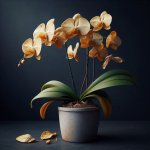
Why Are the Leaves of My Phalaenopsis Orchid Turning Yellow?
Phalaenopsis orchids, often called moth orchids, are beloved for their exotic blooms and relatively easy care requirements. However, one common issue that many orchid owners face is yellowing leaves. While yellow leaves can be alarming, understanding the potential causes will allow you to take the necessary steps to nurse your orchid back to health. In this article, we'll delve into the most common reasons why the leaves of your Phalaenopsis orchid are turning yellow and offer practical solutions to restore the plant's vitality.
-
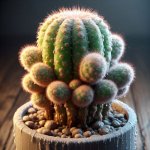
What Are the Signs of Overwatering a Cactus?
Cacti are some of the most resilient plants, thriving in dry, arid environments and capable of storing water in their thick stems and spines. However, despite their reputation for being hardy and drought-tolerant, cacti are highly susceptible to overwatering. Unlike many other houseplants, a cactus doesn’t need frequent watering, and providing it with too much water can lead to serious problems, even death. Recognizing the signs of overwatering is crucial for ensuring the health and longevity of your cactus.
-
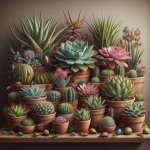
What Pests Are Common to Succulents and How Can I Control Them?
The most common pests for succulents include mealybugs, spider mites, aphids, fungus gnats, and scale insects. Controlling them effectively involves a multi-pronged approach, often starting with manual removal and progressing to horticultural sprays and environmental adjustments, prioritizing early detection.
-
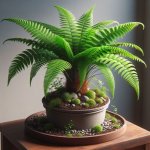
What Soil is Best for Boston Ferns?
Boston ferns (Nephrolepis exaltata), with their lush green fronds and delicate appearance, are among the most popular houseplants. Known for their ability to purify the air and add a touch of tropical greenery to indoor spaces, these ferns thrive with the right care. One of the key factors in maintaining a healthy Boston fern is choosing the best soil. The type of soil you use directly affects the plant’s ability to retain moisture, breathe, and absorb nutrients, all of which are crucial for its growth.
-
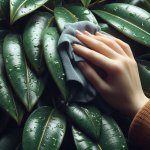
How Do I Clean and Maintain My Rubber Plant’s Leaves?
Rubber plants (Ficus elastica) are beloved houseplants due to their bold, glossy leaves and easy-going nature. However, like most indoor plants, the leaves can accumulate dust and dirt over time, dulling their natural shine and potentially hindering the plant’s ability to photosynthesize effectively. Cleaning and maintaining your rubber plant's leaves is an essential part of care to ensure it stays vibrant and healthy. This article covers everything you need to know about cleaning rubber plant leaves, maintaining their glossy finish, and keeping your plant in top condition.
-
Are Philodendron Plants Toxic to Pets?
Yes, philodendron plants are toxic to pets, including cats and dogs, due to the presence of insoluble calcium oxalate crystals. Ingestion can cause immediate irritation and discomfort, though typically not life-threatening.
-
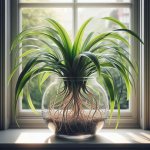
Can Spider Plants Be Grown in Water?
Spider plants, or Chlorophytum comosum, are among the most beloved houseplants due to their air-purifying abilities, resilience, and low maintenance needs. But beyond the usual practice of growing them in soil, many plant enthusiasts are curious: Can spider plants be grown in water? The answer is a resounding yes! These hardy plants can thrive in water, making them an excellent choice for anyone interested in a unique, soil-free growing experience.