Lawn Care Gardening Tips and Plant Care
A healthy, vibrant lawn enhances your home's beauty, boosts curb appeal, and provides a welcoming space for relaxation and play. In our Lawn Care category at GardenBotany.com, you'll find straightforward tips, expert advice, and actionable guidance on everything from choosing the right grass seed and proper mowing techniques to tackling weeds, pests, and patchy spots. Whether you're aiming for a pristine green carpet or simply looking to improve the overall health of your lawn, our practical guides help you achieve impressive results with less effort and greater confidence.
Recent Posts of Lawn Care - Gardening Ideas
-

Getting Rid of Dandelions in Lawns Without Chemicals
Getting rid of dandelions in lawns without chemicals requires a multi-faceted approach focusing on proper lawn care practices to create a dense, healthy turf that outcompetes weeds, combined with diligent manual removal. Healthy grass is the ultimate dandelion deterrent.
-
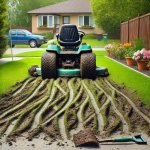
How to Handle Lawn Ruts Caused by Mowers and Foot Traffic?
Lawn ruts, those unsightly depressions in your otherwise pristine lawn, are a common frustration for homeowners. Whether caused by the repetitive paths of your lawn mower or the consistent pressure of foot traffic, these indentations not only detract from your yard's appearance but can also lead to drainage issues and an uneven mowing surface. Understanding how to handle lawn ruts is crucial for maintaining a healthy and beautiful lawn. This guide will walk you through identifying, preventing, and repairing these common lawn problems, ensuring your green space remains a source of pride.
-
Why Lawn Grass Feels Crunchy and How to Restore It?
Lawn grass feels crunchy primarily due to severe dehydration, which causes grass blades to lose turgor pressure, dry out, and become brittle. Restoring it involves rehydrating the soil deeply and consistently, improving soil health, and adjusting long-term care practices to build resilience.
-
Advertisement
-
Preventing and Managing Lawn Yellow Tuft Disease
Preventing and managing lawn yellow tuft disease primarily involves improving soil drainage and aeration, reducing compaction, and implementing proper watering and fertilization practices. Addressing environmental factors that favor the fungus, Sclerophthora macrospora, is key to controlling this unsightly turfgrass issue.
-
Why Lawn Grass is Browning at the Tips and How to Fix It?
A vibrant, green lawn is the pride of many homeowners, so when you start noticing your lawn grass is browning at the tips, it can be a cause for concern. These seemingly small changes often indicate underlying issues that, if left unaddressed, can lead to widespread discoloration and even unhealthy turf. Understanding why lawn grass is browning at the tips and how to fix it involves identifying common stressors, from improper mowing to environmental factors and nutrient imbalances. This guide will help you pinpoint the problem and implement effective solutions to restore your lawn's uniform green luster.
-
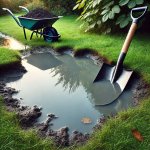
The Step-by-Step Guide to Fixing Waterlogged Lawns
A lush, green lawn is a homeowner's pride, but nothing can dampen that pride faster than seeing standing water and soggy patches after a rainfall. Learning how to fix waterlogged lawns is crucial for maintaining turf health and preventing widespread damage. Excess moisture suffocates grass roots, encourages disease, and invites pests, turning a beautiful expanse into a muddy, unhealthy mess. This comprehensive, step-by-step guide will help you diagnose the causes of poor drainage and implement effective solutions to restore your lawn to its vibrant, healthy best.
-
How to Manage Alkaline Soil in Lawns and Lower pH?
A lush, vibrant green lawn is the dream of many homeowners, but sometimes, despite your best efforts, your grass just doesn't look its best. One hidden culprit could be alkaline soil. When your lawn's soil pH is too high, essential nutrients become locked up, making them unavailable to your grass. Understanding how to manage alkaline soil in lawns and lower pH is crucial for unlocking your turf's full potential and achieving that enviable green carpet.
-
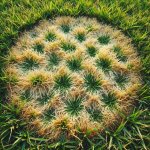
The Best Treatments for Lawn Brown Ring Patch
Discovering an unsightly circular pattern of dead or dying grass in your beautiful lawn can be alarming. This frustrating phenomenon is often referred to as Brown Ring Patch, a common lawn disease that affects many homeowners. Understanding the specific conditions that cause this fungal issue and knowing the best treatments for lawn brown ring patch are essential steps to restoring your lawn's health and vibrant green color. This guide will provide you with a comprehensive approach, from identification to prevention, ensuring your lawn stays pristine.
-
What to Do When Your Lawn Shows Signs of Iron Deficiency?
When your lawn loses its vibrant green hue and starts looking pale or yellow, it might be showing signs of iron deficiency. While not as commonly discussed as nitrogen, iron is a crucial micronutrient for healthy grass, playing a vital role in chlorophyll production. Understanding the symptoms, causes, and effective solutions for lawn iron deficiency can help you restore your turf's lush, deep green color and overall vitality.
-
How to Treat Fairy Ring Fungus in Lawns?
If you're noticing those tell-tale rings of darker grass, mushrooms, or even dead patches appearing in your lawn, you might be dealing with fairy ring fungus. This common lawn issue, while not directly harmful to the grass itself in most cases, can certainly be an unsightly nuisance. Understanding how to effectively treat fairy ring fungus in your lawn involves identifying the type of fairy ring you have and then applying the appropriate cultural practices or, in some cases, specific treatments to manage and ultimately eliminate it.