Lawn Care Gardening Tips and Plant Care

A healthy, vibrant lawn enhances your home's beauty, boosts curb appeal, and provides a welcoming space for relaxation and play. In our Lawn Care category at GardenBotany.com, you'll find straightforward tips, expert advice, and actionable guidance on everything from choosing the right grass seed and proper mowing techniques to tackling weeds, pests, and patchy spots. Whether you're aiming for a pristine green carpet or simply looking to improve the overall health of your lawn, our practical guides help you achieve impressive results with less effort and greater confidence.
Recent Posts of Lawn Care - Gardening Ideas
-

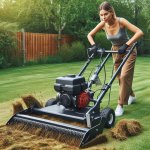
Thatch-Free Thrive: Lawn Dethatching Methods Demystified
Lawn dethatching methods demystified involve understanding what thatch is, why it's harmful, and choosing the right tools and timing to remove it. Achieving a thatch-free thrive is crucial for your lawn's health, as it ensures proper nutrient and water absorption, leading to a greener, more resilient turf. This guide explains how to effectively manage thatch.
-
Nature's Arsenal: Non-Toxic Alternatives to Chemical Pesticides
Nature's arsenal offers a vast array of non-toxic alternatives to chemical pesticides, providing effective and environmentally sound ways to manage pests in your garden. These sustainable methods prioritize prevention, ecological balance, and natural substances to protect your plants without harming beneficial organisms, people, or the planet. This guide details safe and powerful solutions for a healthy garden.
-
Pest Patrol: Integrated Pest Management for Healthy Lawns
Integrated Pest Management (IPM) for healthy lawns is a smart, holistic approach to controlling unwanted pests while minimizing environmental impact. It emphasizes prevention, monitoring, and using the least toxic methods first, ensuring your lawn stays vibrant and resilient.
-
Advertisement
-
Sow Strong: Mastering Lawn Overseeding Techniques
Lawn overseeding is the practice of sowing grass seed directly into existing turf to fill in bare spots and improve density without tearing up the sod. It rejuvenates aging yards by introducing modern, disease-resistant grass varieties that can better withstand heat, pests, and heavy foot traffic.
-
Drainage Dynamics: The Importance of Proper Lawn Drainage
Proper lawn drainage is the process of directing excess water away from your landscape to prevent soil saturation and structural damage. Ensuring water moves efficiently through your yard protects your home's foundation and keeps your grass from drowning or developing fungal diseases.
-
Earth-Kind Care: Embracing Eco-Friendly Lawn Solutions
Eco-friendly lawn care involves using natural fertilizers, native plants, and water-saving techniques to maintain a healthy yard without harming the local ecosystem. By switching to organic practices, you reduce chemical runoff into groundwater and create a safe space for pets, children, and beneficial pollinators.
-
Soil Symphony: Understanding Soil pH for Optimal Lawn Health
Understanding soil pH for optimal lawn health is like mastering the orchestra conductor for your grass's nutrient symphony. The pH level dictates how well your lawn can access the vital nutrients it needs to thrive, influencing its color, density, and resilience.
-
Revive & Rejuvenate: Essential Lawn Renovation Tips
Lawn renovation is a comprehensive process used to restore a thinning or damaged yard by addressing soil health, removing excess debris, and introducing new, resilient grass varieties. By following a structured plan that includes core aeration and overseeding, you can transform a patchy lawn into a thick, vibrant carpet of green within a single growing season.
-
Shield Your Sward: Preventing Lawn Diseases and Pests
Preventing lawn diseases and pests is best achieved by maintaining thick, healthy grass through proper mowing, deep watering, and balanced fertilization. By creating a robust ecosystem where turfgrass thrives, you naturally eliminate the weak points that fungi and insects exploit to damage your yard.
-
Grass Gurus: Choosing the Right Grass Type for Your Climate
Choosing the right grass type for your climate requires identifying your local plant hardiness zone and matching it to either cool-season or warm-season turf varieties. By selecting a species naturally adapted to your regional rainfall and temperatures, you ensure a resilient, low-maintenance lawn that stays vibrant throughout the growing season.