Plant Problems Gardening Tips and Plant Care
Even the healthiest gardens sometimes face challenges—but identifying and solving plant problems quickly can save your greenery and keep your garden thriving. In our Plant Problems category at GardenBotany.com, we help you recognize common issues like pests, diseases, nutrient deficiencies, and environmental stress, offering clear, practical advice to get your plants back on track. From spotting early symptoms to implementing effective treatments, our guides simplify troubleshooting so you can maintain a lush, healthy garden, indoors and out.
Recent Posts of Plant Problems - Gardening Ideas
-

Temperature Troubles: Navigating Extremes for Plant Wellness
Navigating temperature troubles is a constant, yet often overlooked, aspect of successful gardening, as plants are highly sensitive to both extreme heat and extreme cold. These environmental extremes can profoundly impact a plant's growth, health, and ability to produce flowers or fruit, making strategic protection crucial for plant wellness. Understanding how different temperatures affect plant physiology allows gardeners to implement effective strategies, ensuring their plants not only survive but thrive amidst nature's unpredictability.
-
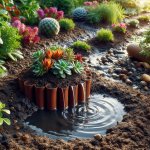
Drainage Dilemmas: Resolving Issues for Healthier Soil
Resolving drainage dilemmas in your garden is paramount for achieving healthier soil and, consequently, more robust plants. Poor drainage, often manifesting as standing water or constantly soggy earth, suffocates plant roots and creates an inhospitable environment for most beneficial soil life. Addressing these issues not only improves water movement but also enhances aeration and nutrient availability, laying the foundation for a thriving garden that can overcome even the trickiest drainage dilemmas.
-
Stress Management: Preventing and Treating Plant Stressors
Stress management: Preventing and treating plant stressors is fundamental to cultivating a thriving garden, as stressed plants are weakened, more susceptible to pests and diseases, and less productive. By understanding the common environmental, physical, and biological factors that induce stress, gardeners can proactively create optimal growing conditions and implement timely interventions to help their plants recover. Effective preventing and treating plant stressors means listening to your plants and acting swiftly.
-
Advertisement
-
Balancing Act: Managing Plant Nutrient Imbalances
Balancing act: Managing plant nutrient imbalances is crucial for vibrant plant health, involving careful observation of plant symptoms, understanding soil conditions, and making precise adjustments to fertilization or soil amendments. Plants communicate their nutritional needs through various visual cues, from yellowing leaves to stunted growth, and learning to interpret these signals is the first step in restoring their vital equilibrium. Effective managing plant nutrient imbalances brings your garden back to full potential.
-
Spotless Solutions: Preventing Leaf Spot Diseases
Spotless solutions: Preventing leaf spot diseases is primarily about proactive gardening practices that reduce conditions favorable for fungal and bacterial pathogens, rather than reacting once an infection takes hold. By focusing on environmental control, plant hygiene, and smart plant selection, gardeners can significantly minimize the unsightly damage and stress these common diseases cause. Successful preventing leaf spot diseases hinges on creating an inhospitable environment for pathogens.
-
Bacterial Battle: Treating Bacterial Infections in Plants
Bacterial battle: Treating bacterial infections in plants is often challenging, as there are few effective chemical treatments for home gardeners, making prevention and aggressive sanitation the most critical lines of defense. Unlike fungal issues, bacterial diseases primarily require immediate removal of infected plant parts, creating dry conditions, and enhancing air circulation to halt their spread and give the plant a chance to recover. Effective treating bacterial infections in plants centers on cultural practices that disrupt bacterial life cycles.
-
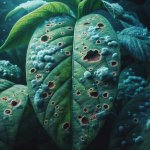
Spot the Spot: Investigating Brown Spots on Plant Leaves
Spot the spot: Investigating brown spots on plant leaves requires a detective's eye, as these unsightly marks are common symptoms of various plant problems, ranging from simple environmental stressors to more serious pest infestations or fungal diseases. Understanding the characteristics of these spots – their size, shape, location, and accompanying symptoms – is crucial for accurately diagnosing the issue and implementing the correct solution to restore your plant's health and beauty. Effective troubleshooting means carefully observing the details of the spots.
-
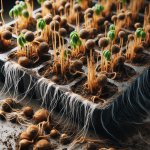
Damping Off Defense: Preventing Plant Damping Off
Damping off defense: Preventing plant damping off primarily involves creating an unfavorable environment for the soil-borne fungi responsible for this common seedling killer, focusing on hygiene, proper watering, and good air circulation. This critical step in seed starting ensures your fragile young plants have the best chance to grow strong and healthy, avoiding the sudden collapse that damping off causes. Successful preventing plant damping off relies on a few key, consistent practices.
-
Nematode Nuisance: Controlling Plant Nematodes
Nematode nuisance: Controlling plant nematodes involves a multi-faceted approach, combining cultural practices, biological controls, and sometimes targeted chemical treatments to manage these microscopic pests in the soil effectively. Because nematodes are tiny, often invisible to the naked eye, understanding their life cycle and the damage they cause is the first step in protecting your plants and ensuring a healthy garden. Effective control focuses on disrupting their ability to feed on plant roots and reproduce.
-
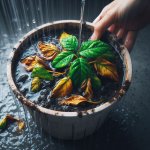
Drowning Danger: Recognizing Signs of Overwatering in Plants
Recognizing signs of overwatering in plants is a critical skill for any gardener, as this drowning danger is one of the most common and often misdiagnosed causes of plant death. Symptoms often mimic underwatering, making proper diagnosis essential for effective rescue. This guide demystifies the subtle and obvious clues your plants provide, empowering you to save them from excess moisture.