Plant Problems Gardening Tips and Plant Care
Even the healthiest gardens sometimes face challenges—but identifying and solving plant problems quickly can save your greenery and keep your garden thriving. In our Plant Problems category at GardenBotany.com, we help you recognize common issues like pests, diseases, nutrient deficiencies, and environmental stress, offering clear, practical advice to get your plants back on track. From spotting early symptoms to implementing effective treatments, our guides simplify troubleshooting so you can maintain a lush, healthy garden, indoors and out.
Recent Posts of Plant Problems - Gardening Ideas
-

Eco-Friendly Tactics: Managing Plant Pests Organically
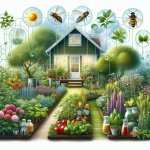
Managing plant pests organically is a holistic and sustainable approach that prioritizes prevention, natural predator encouragement, and non-toxic treatments to protect your garden. These eco-friendly tactics reduce reliance on chemical pesticides, fostering a balanced ecosystem where plants thrive and pests are kept in check. This guide details safe and effective methods for a healthier garden.
-
Yellow Yikes: Diagnosing Plant Yellowing
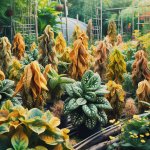
Diagnosing plant yellowing requires a systematic approach, as this common symptom, often a yellow yikes moment for gardeners, can stem from numerous causes. From improper watering to nutrient deficiencies, pests, or disease, pinpointing the exact problem is crucial for effective treatment. This guide helps you decipher your plant's distress signals and restore its vibrant green.
-
Beat the Heat: Preventing Plant Wilting During Hot Weather
Preventing plant wilting during hot weather is crucial for maintaining a vibrant and healthy garden, as high temperatures stress plants significantly. The most effective strategies involve optimizing watering, providing shade, improving soil health, and selecting heat-tolerant plants. This guide offers actionable tips to help your garden beat the heat and thrive in challenging conditions.
-
Advertisement
-
Curling Crisis: Understanding Leaf Curling in Plants
Understanding leaf curling in plants is a crucial diagnostic skill for any gardener, as this curling crisis often signals underlying stress or problems. From improper watering to pest infestations or disease, leaf curl is a plant's way of communicating distress. This guide demystifies the various causes and provides actionable solutions to restore plant health.
-
Mildew Mastery: Treating Powdery Mildew on Plants
Treating powdery mildew on plants effectively begins with understanding its distinct appearance and environmental triggers. Achieving mildew mastery involves a combination of proactive cultural practices and targeted treatments, from organic sprays to fungicides. This guide empowers gardeners to combat this common fungal foe and restore plant health and beauty.
-
Virulent Villains: Dealing with Plant Viruses
Dealing with plant viruses presents a unique challenge in the garden, as these virulent villains have no direct cure. The most effective strategies focus on early identification, strict sanitation, and vigorous pest control to prevent their spread. This guide empowers gardeners to protect their healthy plants and manage viral threats.
-
Fungal Foes: Managing Plant Fungal Infections
Managing plant fungal infections effectively requires accurate identification of the specific disease and understanding its environmental triggers. These fungal foes can quickly devastate a garden if left unchecked, so implementing proactive cultural practices and targeted treatments is crucial. This guide provides actionable strategies to protect your plants and restore their health.
-
Mite Mayhem: Controlling Spider Mites on Plants
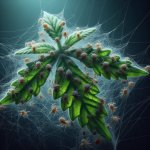
Controlling spider mites on plants requires increasing humidity levels and using direct treatments like insecticidal soaps or neem oil to disrupt their breeding cycle. These tiny arachnids thrive in hot, dry conditions, so consistent moisture and regular foliage inspections are the most effective ways to stop an infestation before it kills your greenery.
-
Thirsty Plants: Preventing Plant Dehydration
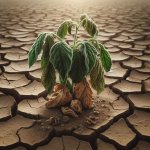
Preventing plant dehydration requires a consistent watering schedule tailored to each species and the use of mulch to lock moisture into the soil. By monitoring leaf tension and soil dampness daily, you can intervene before permanent cellular damage occurs and keep your greenery thriving.
-
Nutrient Necessities: Identifying Plant Nutrient Deficiencies
Identifying plant nutrient deficiencies involves observing specific patterns of leaf discoloration, stunted growth, or abnormal development on either older or newer plant tissues. Each essential nutrient leaves distinct clues when in short supply, making visual diagnosis a key skill for gardeners.