Gardening Doesn't Have to Be Complicated if You Know What You're Doing
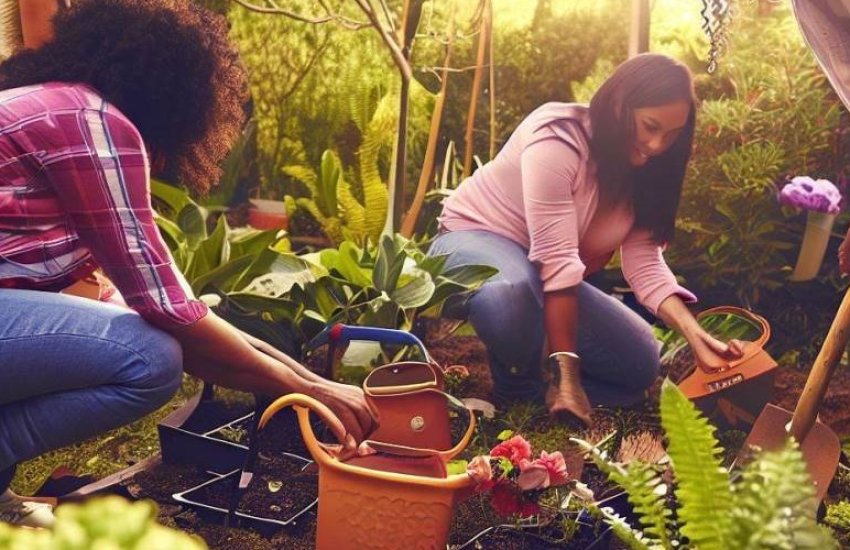
With just a bit of practical knowledge and the right tools, anyone can create a lush, vibrant garden space. Whether you're tending to houseplants, nurturing a vegetable patch, or crafting a backyard oasis, understanding a few fundamental tips can simplify the entire process. At GardenBotany.com, we're here to guide you every step of the way, making gardening enjoyable, stress-free, and accessible for everyone, from complete beginners to seasoned gardeners looking to perfect their green thumbs.
Latest Gardening Posts and Plant Care Tips
-

What Techniques Can Be Used for Composting Post-Harvest Vegetable Waste on Farms?
Post-harvest vegetable waste is a significant by-product on farms, often consisting of leftover vegetable scraps, plant residues, and other organic materials that accumulate after crops are harvested. Composting this waste is an efficient and eco-friendly way to recycle nutrients, reduce landfill contributions, and improve soil quality on the farm.
-
How Do I Safely Compost Brewery By-Products Like Yeast and Hops?
With the booming popularity of craft breweries, there’s an increasing amount of brewery by-products generated, including spent yeast, hops, and grain. While these by-products are high in organic content and can be beneficial for composting, they require specific handling techniques to ensure safe and effective decomposition. Composting these materials not only reduces waste but also creates a nutrient-rich compost that can enhance soil health in gardens and farms.
-
What Are the Best Methods for Composting Yard Waste from Tree Pruning in Urban Areas?
Tree pruning is an essential part of maintaining healthy trees in urban landscapes. However, it generates a significant amount of yard waste, including branches, twigs, and leaves, which can be challenging to dispose of sustainably in urban settings. Composting is a practical and environmentally friendly way to manage this waste, but it requires specific techniques to effectively break down woody materials in small, often restricted urban spaces.
-
How Can I Compost Organic Waste Generated from Farmers' Markets Effectively?
Farmers' markets are a vibrant hub for fresh, organic produce, yet they often produce large quantities of organic waste. Leftover fruits, vegetables, herb clippings, and other biodegradable materials can quickly accumulate, resulting in a disposal challenge. Composting this organic waste is an effective and sustainable solution that not only reduces landfill contributions but also produces nutrient-rich compost that can enrich soil in gardens, farms, and landscapes.
-
How Can I Compost Landscaping Waste from Tree Removals or Storm Damage?
Landscaping waste, especially from tree removals and storm damage, can present a challenge for gardeners and homeowners alike. Branches, tree limbs, leaves, and other large organic debris are abundant after these events, often leaving people with massive piles of waste to deal with. Composting this material provides an eco-friendly solution, allowing you to convert bulky landscaping waste into valuable organic compost that nourishes the soil.
-
What Role Does Composting Play in Reducing Food Waste in Schools?
Food waste is a pressing issue in schools worldwide, where large amounts of uneaten food end up in landfills each day. Implementing effective composting programs in schools can play a critical role in tackling food waste, educating students about sustainability, and enriching school gardens with nutrient-rich compost.
-
Can I Compost Apple Pomace, and What Are the Best Practices?
Yes, you can absolutely compost apple pomace, which is the leftover pulp, skins, and seeds from juicing or cider making. It's a valuable "green" (nitrogen-rich) material that can significantly boost your compost pile, but successful composting requires following specific best practices to avoid common issues like pests and odors.
-
Transform Your Outdoor Space: The Benefits of Outdoor Carpets
Your outdoor space is an extension of your home, and it deserves the same care and attention as your indoor living areas. Whether you have a spacious patio, a cozy balcony, or a relaxing deck, incorporating an outdoor carpet is one of the easiest and most effective ways to transform the look and feel of your space. With a variety of designs, colors, and textures, outdoor carpets add comfort, style, and functionality to any exterior setting.
-
Comfort for Your Companion: The Best Pet Beds for Outdoor Relaxation
When you’re enjoying a sunny day in your backyard or lounging on your patio, your furry friends deserve the same comfort and relaxation. Investing in a high-quality outdoor pet bed ensures that your pet can relax in style, stay comfortable in any weather, and remain close to you while enjoying the great outdoors. Whether your pet loves basking in the sun or prefers a shaded retreat, the right pet bed can make all the difference in their outdoor experience.
-
Stylish Storage: The Functionality of Outdoor Storage Ottomans
In any outdoor space, functionality and aesthetics need to work hand in hand. Whether you have a cozy patio, an expansive deck, or a quaint balcony, clutter can quickly become an issue, especially when you want to maximize the area for relaxation and entertainment. This is where the magic of outdoor storage ottomans comes into play. These versatile furniture pieces offer both extra storage and seating in one sleek design, making them a must-have addition to any outdoor space.