Gardening Doesn't Have to Be Complicated if You Know What You're Doing

With just a bit of practical knowledge and the right tools, anyone can create a lush, vibrant garden space. Whether you're tending to houseplants, nurturing a vegetable patch, or crafting a backyard oasis, understanding a few fundamental tips can simplify the entire process. At GardenBotany.com, we're here to guide you every step of the way, making gardening enjoyable, stress-free, and accessible for everyone, from complete beginners to seasoned gardeners looking to perfect their green thumbs.
Latest Gardening Posts and Plant Care Tips
-

How Can I Propagate a Papaya Plant from Seeds?
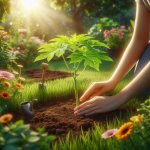
Propagating a papaya plant from seeds is an enjoyable and rewarding experience that brings a taste of the tropics into your garden. Not only is it relatively easy, but it also allows you to grow papayas packed with health benefits and fresh flavor. Papayas, native to Central and South America, are rich in vitamins, minerals, and digestive enzymes, making them a popular choice for home gardeners and fruit lovers alike.
-
How Do I Know When My Mangoes Are Ripe and Ready to Harvest?
Knowing when your mangoes are ripe and ready to harvest involves observing a combination of indicators, as color alone can be misleading depending on the variety. Key signs include changes in skin color, softness to the touch, a fragrant aroma, and a slight plumpness of the fruit.
-
What Are the Different Varieties of Avocado Plants to Choose From?
Avocado plants are prized for producing creamy, nutrient-rich fruit that has taken the culinary world by storm. Native to Central and South America, these trees now grow in warm climates around the globe, with a wide variety of cultivars available to suit different tastes, climates, and growing preferences. Each avocado variety offers unique characteristics in terms of flavor, texture, and harvest season.
-
What Nutrients Do Pineapple Plants Need for Healthy Growth?
For pineapple plants to grow healthy and produce fruit, they primarily need ample Nitrogen (N) for vigorous leafy growth, balanced with Phosphorus (P) for root and fruit development, and Potassium (K) for overall plant vigor and disease resistance. Micronutrients like iron, zinc, and boron are also crucial, often requiring acidic soil conditions for optimal absorption.
-
Can I Compost Plant-Based Food Packaging Materials, and What Are the Guidelines?
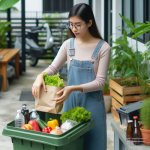
With increasing awareness about environmental sustainability, many companies are shifting towards using plant-based food packaging materials as alternatives to plastic. These materials, often advertised as compostable or biodegradable, are marketed as eco-friendly choices that can reduce waste and pollution. However, as a consumer, understanding which packaging items can be composted and under what conditions can be confusing. This article dives into the world of plant-based food packaging and outlines clear guidelines on how to compost these materials effectively.
-
How to Set Up a Composting Initiative for a Retirement Community?
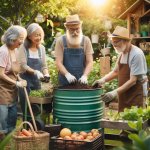
As sustainable living continues to grow in popularity, many retirement communities are looking for ways to incorporate environmentally friendly practices into their daily routines. Composting is a practical, eco-conscious initiative that can significantly reduce waste, create rich soil for gardens, and promote a sense of community among residents. Setting up a composting program in a retirement community involves thoughtful planning, education, and accessible equipment tailored to meet the specific needs of the residents.
-
Advantage of Anaerobic Digestion vs Traditional Composting for Food Waste
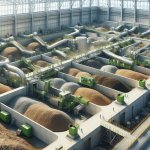
With the global push for sustainable practices, the question of how to best manage food waste has become a major concern. As we seek ways to reduce waste and harness its value, two methods stand out: anaerobic digestion and traditional composting. Both are effective in processing organic waste, yet they differ in how they operate and the benefits they provide. Anaerobic digestion, a process that converts organic waste into biogas under oxygen-free conditions, has gained popularity as an alternative to traditional composting, offering unique advantages in terms of energy production, greenhouse gas reduction, and nutrient recovery.
-
How Can I Compost Industrial Food Waste While Minimizing Odors and Pests?
Composting industrial food waste is an effective way to divert organic materials from landfills and convert them into nutrient-rich compost that benefits soil health. However, the large volumes and high moisture content in industrial food waste can lead to challenges like foul odors and pest attraction. By implementing specific composting techniques, utilizing effective tools, and closely managing the composting process, you can minimize these issues and create high-quality compost.
-
Benefit of Using Compost from Landscape Waste in Soil Remediation Project
Soil remediation is essential for restoring and revitalizing degraded, contaminated, or nutrient-deficient soils. As the demand for sustainable soil remediation techniques grows, using compost from landscape waste has emerged as an effective and eco-friendly solution. Compost made from yard clippings, leaves, and other landscape waste offers a powerful and natural means of revitalizing poor soils, improving soil health, and enhancing vegetation growth in contaminated sites.
-
How Can I Incorporate Composting Practices into a Sustainable Landscape Design?
Sustainable landscape design involves creating outdoor spaces that support environmental health, reduce waste, and minimize the use of resources. Composting is a powerful practice that complements sustainable landscaping by turning organic waste into nutrient-rich soil amendments, reducing landfill contributions, and supporting healthy plant growth. By incorporating composting methods directly into your landscape design, you create a self-sustaining system that benefits both your garden and the environment.