Gardening Doesn't Have to Be Complicated if You Know What You're Doing

With just a bit of practical knowledge and the right tools, anyone can create a lush, vibrant garden space. Whether you're tending to houseplants, nurturing a vegetable patch, or crafting a backyard oasis, understanding a few fundamental tips can simplify the entire process. At GardenBotany.com, we're here to guide you every step of the way, making gardening enjoyable, stress-free, and accessible for everyone, from complete beginners to seasoned gardeners looking to perfect their green thumbs.
Latest Gardening Posts and Plant Care Tips
-

How to Grow Organic Vegetables at Home?
Growing organic vegetables at home is a rewarding and sustainable way to enjoy fresh produce, free from harmful chemicals and pesticides. Whether you have a small balcony, a backyard garden, or just a windowsill, it’s easier than you might think to cultivate your own organic vegetables. By following a few simple steps and using the right tools, you can harvest nutritious, flavorful vegetables straight from your garden or home.
-
What Are the Different Varieties of Papaya Plants Available?
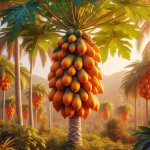
The different varieties of Papaya plants available primarily vary by fruit size, flesh color, sweetness, and whether they are dioecious, hermaphroditic, or gynodioecious in their flowering habit. Popular categories include large-fruited tropical types, smaller solo papayas, and specialized disease-resistant cultivars developed for specific growing regions. Understanding these distinctions helps growers select the best Papaya plant for their climate and taste preferences.
-
What Are the Different Varieties of Mango Plants I Can Grow?
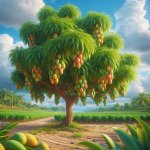
There are hundreds of different varieties of mango plants you can grow, each offering unique flavors, sizes, and growing characteristics. Choosing the right variety depends on your climate, space, and personal taste preferences.
-
How Can I Propagate an Avocado Plant from a Seed?
To propagate an avocado plant from a seed, you can choose between the classic water method using toothpicks or direct planting in soil, both requiring patience as the seed germinates and sprouts. Success hinges on a clean seed, consistent moisture, and appropriate light conditions for the emerging seedling.
-
How to Know When Your Pineapple Plant Is Ready to Produce Fruit?
Knowing when your pineapple plant is ready to produce fruit involves observing its maturity, size, and the environmental conditions it has experienced, typically a period of 18-24 months from planting. Look for a fully mature plant with at least 30-40 healthy leaves before expecting or inducing a bloom.
-
How to Know When Your Pomegranates Are Ripe and Ready to Harvest?
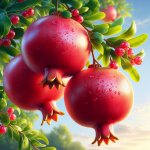
Knowing when your pomegranates are ripe and ready to harvest is key to enjoying their best flavor and juiciness. You'll primarily rely on a combination of visual cues, sound, and a bit of patience, as pomegranates do not ripen further once picked.
-
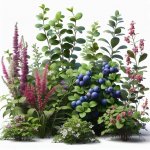
What are the different varieties of huckleberry plants available?
Huckleberry plants encompass several different species primarily belonging to the Vaccinium and Gaylussacia genera, each with distinct growing habits, fruit characteristics, and native regions. While often confused with blueberries, true huckleberries typically have 10 large, hard seeds inside, distinguishing them from blueberries' numerous tiny, soft seeds.
-
Can I Grow Boysenberry Plants in Containers?
Yes, you can grow Boysenberry plants in containers successfully, making this delicious berry accessible even for gardeners with limited space like patios or balconies. The key to thriving Boysenberry plants in containers involves choosing the right large pot, providing excellent drainage, using a rich, well-draining potting mix, and offering consistent support for their vining canes.
-
How to Know When Your Elderberries Are Ripe and Ready to Harvest?
To know when your elderberries are ripe and ready to harvest, look for a uniform deep purple-black color across all berries in a cluster, a soft but not mushy texture, and an easy detachment from their stems. The best indicator is when most berries on a cyme have ripened.
-
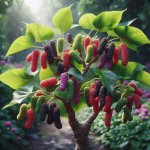
What Are the Different Varieties of Mulberry Plants Available?
There are several different varieties of mulberry plants available, primarily categorized by their native origin as red, white, or black mulberries, each offering distinct fruit characteristics and growing habits. Beyond these main species, numerous named cultivars provide specific advantages for home gardeners.