Lawn Care Gardening Tips and Plant Care
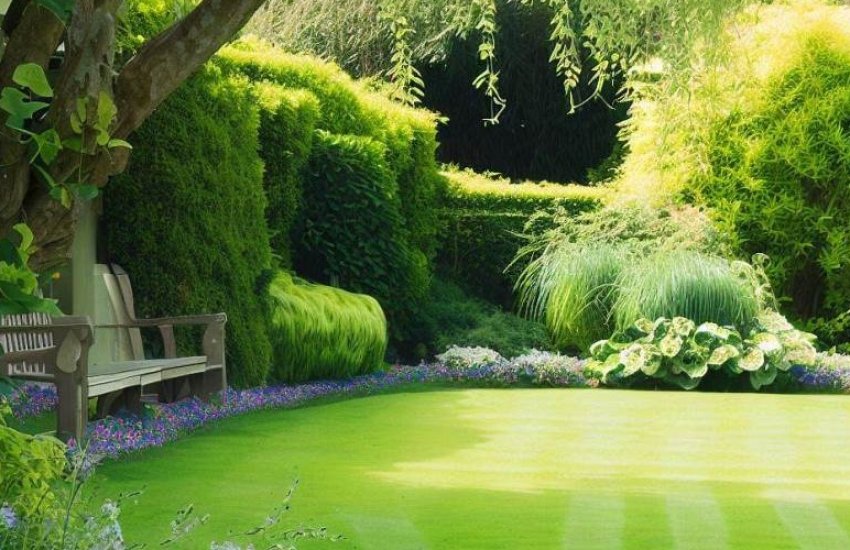
A healthy, vibrant lawn enhances your home's beauty, boosts curb appeal, and provides a welcoming space for relaxation and play. In our Lawn Care category at GardenBotany.com, you'll find straightforward tips, expert advice, and actionable guidance on everything from choosing the right grass seed and proper mowing techniques to tackling weeds, pests, and patchy spots. Whether you're aiming for a pristine green carpet or simply looking to improve the overall health of your lawn, our practical guides help you achieve impressive results with less effort and greater confidence.
Recent Posts of Lawn Care - Gardening Ideas
-

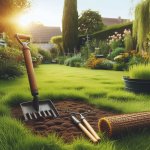
How to Reseed a Patchy Lawn Effectively?
Tackling an uneven expanse of turf dotted with sparse sections and bare earth is a common challenge for many homeowners. Learning how to reseed a patchy lawn effectively is a highly rewarding project that transforms tired, thin grass into a lush, uniform carpet. Successfully revitalizing your lawn requires more than simply scattering seeds; it involves careful preparation, strategic application, and diligent aftercare to ensure those new grass blades establish robustly, seamlessly blending with the existing turf for a truly revitalized appearance.
-
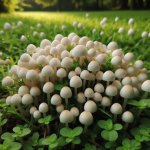
Why Mushrooms Appear on Your Lawn and How to Handle Them?
Mushrooms sprouting up on your lawn can be a curious sight. While mushrooms are harmless to your grass, they may indicate underlying soil conditions that you might want to address. Learning why mushrooms appear and how to handle them can help you keep your lawn looking clean and free from unwanted growth.
-
Best Cover Crops for Soil Health in Winter
The best cover crops for soil health in winter are typically cold-hardy annuals or biennials that protect the soil from erosion, suppress weeds, and add organic matter. Options like crimson clover, hairy vetch, rye, and oats are excellent choices for their ability to establish quickly and withstand winter conditions.
-
Advertisement
-
How to Use Leaf Mulch to Improve Soil?
To use leaf mulch to improve soil, you can directly spread shredded leaves over garden beds, incorporate them into vegetable gardens as a soil amendment, or compost them to create nutrient-rich material. This simple, free method enriches your garden's foundation, boosting plant health and vitality.
-
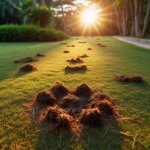
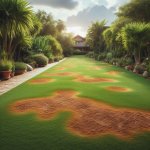
How to Correct Lawn Browning from Pet Waste?
To correct lawn browning from pet waste, immediately dilute the affected area with copious amounts of water, then repair the damaged spots by raking out dead grass, amending the soil, and reseeding or patching with new sod. Prevention is key to maintaining a healthy, green lawn when you have pets.
-
Understanding Lawn Fertilizer Burn and How to Prevent It
Lawn fertilizer burn occurs when too much fertilizer, especially one high in nitrogen, is applied to grass, causing the grass blades to dry out and turn brown or yellow as if scorched. This damage happens because the high salt content in fertilizers draws moisture out of the grass cells through a process called osmosis.
-
How to Tackle Winter Lawn Molds Like Snow Mold?
To tackle winter lawn molds like Snow Mold, begin by gently raking affected areas in spring to break up matted grass and promote air circulation. The most effective long-term strategy involves preventing its occurrence through proper fall lawn care, including appropriate mowing, reducing thatch, and avoiding excessive nitrogen fertilization before winter sets in.
-
The Best Ways to Manage Thistles in Your Lawn
To manage thistles in your lawn, implement a multi-faceted approach combining manual removal for individual plants, cultural practices to strengthen your turf, and targeted herbicide application for widespread infestations. Persistence is key, as thistles are notoriously difficult to eradicate due to their deep root systems and prolific seed production.
-
How to Prevent Algae Growth in Shaded Lawn Areas?
To prevent algae growth in shaded lawn areas, focus on improving drainage, increasing air circulation, reducing excess moisture, and optimizing soil health to create an environment less hospitable to algae and more favorable for healthy grass. Addressing underlying conditions is key to long-term prevention.
-
Why Lawn Drainage Matters and How to Improve It?
Lawn drainage is one of the most critical factors in keeping your grass healthy, lush, and green. Without proper drainage, lawns can suffer from waterlogging, soil erosion, and even lawn diseases. Poor drainage leads to patches of grass dying, compaction, and an overall lack of vitality in your lawn. This article will help you understand why lawn drainage is so essential and provide practical methods to improve it.