Lawn Care Gardening Tips and Plant Care
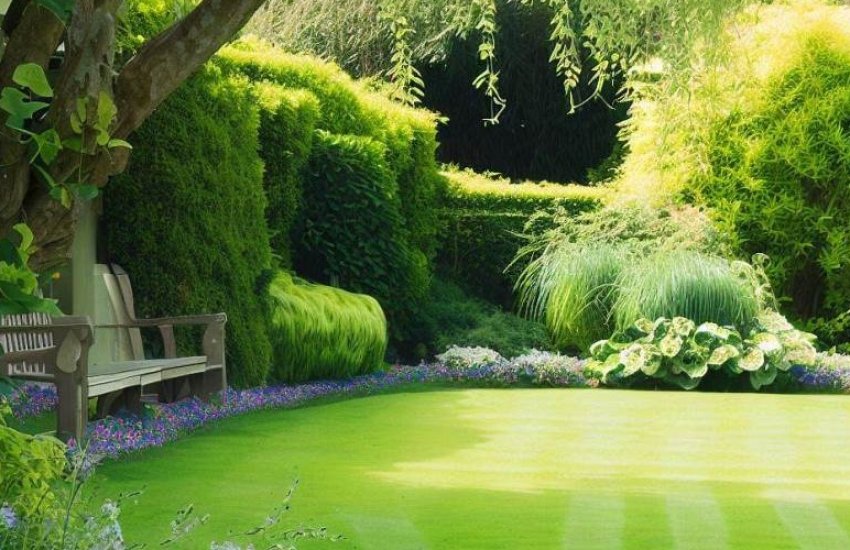
A healthy, vibrant lawn enhances your home's beauty, boosts curb appeal, and provides a welcoming space for relaxation and play. In our Lawn Care category at GardenBotany.com, you'll find straightforward tips, expert advice, and actionable guidance on everything from choosing the right grass seed and proper mowing techniques to tackling weeds, pests, and patchy spots. Whether you're aiming for a pristine green carpet or simply looking to improve the overall health of your lawn, our practical guides help you achieve impressive results with less effort and greater confidence.
Recent Posts of Lawn Care - Gardening Ideas
-

Tips for Managing Leaf Spot Disease in Lawns
Discovering unsightly blemishes on your once-pristine turf can be a disheartening experience for any homeowner striving for a lush landscape. When confronted with these tell-tale signs, understanding essential tips for managing leaf spot disease in lawns becomes crucial. This comprehensive guide will illuminate the causes, identification, and proactive strategies to combat this common fungal adversary, ensuring your grass remains resilient and vibrant throughout the seasons.
-
How to Repair Lawn Damage from Foot Traffic?
Heavy use of your lawn can quickly lead to unsightly issues. Understanding how to repair lawn damage from foot traffic is a common concern for homeowners whose vibrant green spaces have been worn down by regular walking, playing, or even just repeated shortcuts. While grass is resilient, persistent foot traffic compacts the soil, damages individual blades, and ultimately creates bare, hard-packed paths. Fortunately, with the right techniques and a bit of effort, you can restore your lawn to its former lush glory and implement strategies to prevent future wear.
-
How to Prevent and Manage Snow Mold in Your Lawn?
Preventing snow mold in your lawn relies heavily on proper fall lawn care, including appropriate mowing, dethatching, aeration, and avoiding excessive nitrogen fertilization before winter. Managing existing snow mold involves gently raking affected areas and adjusting spring practices to promote air circulation and recovery.
-
Advertisement
-
The Importance of pH Balance in Lawns and How to Test It
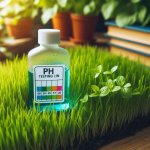
Achieving a lush, vibrant green lawn often feels like a mystery, but one of the most fundamental secrets lies beneath the surface: the pH balance of your lawn's soil. Just like our bodies need a specific pH level to function optimally, your grass thrives within a narrow pH range. Understanding the importance of pH balance in lawns is crucial, as it directly impacts how well your grass can absorb essential nutrients. This guide will walk you through precisely how to test it and why maintaining the right balance is the cornerstone of a truly healthy lawn.
-
How to Avoid Lawn Scorching from Sun Damage?
Protecting your green space from intense heat is crucial for a healthy and vibrant yard. Lawn scorching from sun damage can turn a lush carpet into an unsightly brown patch, especially during peak summer months or in regions with prolonged dry spells. Understanding how to prevent this common problem involves a combination of smart watering practices, proper mowing techniques, and some helpful preventative measures. This guide will walk you through the essential steps to keep your grass thriving, even under the harshest sun, ensuring your outdoor space remains beautiful and resilient.
-
The Complete Guide to Managing Spurge in Lawns
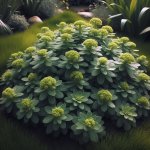
If you're looking for the complete guide to managing spurge in lawns, you're tackling a very common and often frustrating weed challenge. Spurge, particularly common varieties like prostrate spurge and spotted spurge, has an uncanny ability to spread rapidly, forming unsightly mats that choke out desirable turfgrass. Its prolific seed production means that even a few overlooked plants can lead to a significant infestation next season. However, with a combination of cultural practices, manual removal, and targeted treatments, you can effectively control and prevent spurge from taking over your beautiful green space.
-
How to Treat and Prevent Powdery Mildew on Your Lawn?
A healthy, vibrant lawn is a source of pride for any homeowner, but sometimes, a ghostly white film can appear, turning your lush green turf into a powdery landscape. This unsightly visitor is often powdery mildew, a common fungal disease that, while rarely fatal, can weaken your grass and diminish your lawn's aesthetic appeal. If you're seeking to understand how to treat and prevent powdery mildew on your lawn, you've come to the right place. This comprehensive guide will equip you with the knowledge to identify this fungal foe, implement effective treatment strategies, and establish proactive prevention measures, ensuring your lawn remains a picture of health and beauty.
-
How to Aerate Your Lawn for Better Growth?
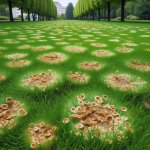
To aerate your lawn for better growth is one of the most beneficial treatments you can give your grass. Over time, soil can become compacted from foot traffic, heavy rain, and even mowing, suffocating grass roots. Aeration creates small holes in the soil, allowing air, water, and nutrients to penetrate deeper, leading to a healthier, more vibrant lawn.
-
How to Get Rid of Crabgrass Without Chemicals?
That unsightly, coarse-bladed grass spreading through your otherwise manicured lawn is most likely crabgrass. This common annual weed can quickly take over, especially during hot summer months, becoming a major frustration for homeowners. While chemical herbicides offer a quick fix, many people are increasingly seeking safer, more eco-friendly alternatives. Learning how to get rid of crabgrass without chemicals is entirely achievable and often leads to a healthier, more resilient lawn in the long run. This comprehensive guide will arm you with effective natural strategies, from prevention to manual removal, ensuring your lawn stays crabgrass-free the natural way.
-
Best Fertilizer for Lawns in Spring
The best fertilizer for lawns in spring depends primarily on your grass type and specific lawn needs, but generally, a slow-release nitrogen-heavy fertilizer with a balanced amount of phosphorus and potassium is ideal. Prioritize products designed to promote healthy root development and green-up without excessive top growth.