Plant Problems Gardening Tips and Plant Care
Even the healthiest gardens sometimes face challenges—but identifying and solving plant problems quickly can save your greenery and keep your garden thriving. In our Plant Problems category at GardenBotany.com, we help you recognize common issues like pests, diseases, nutrient deficiencies, and environmental stress, offering clear, practical advice to get your plants back on track. From spotting early symptoms to implementing effective treatments, our guides simplify troubleshooting so you can maintain a lush, healthy garden, indoors and out.
Recent Posts of Plant Problems - Gardening Ideas
-

Tarnished Plant Bugs: A Gardener's Worst Nightmare
For gardeners and farmers alike, one of the most frustrating pests to deal with is the tarnished plant bug (Lygus lineolaris). This small but highly destructive insect can wreak havoc on a wide variety of crops, from vegetables to fruit trees and even ornamental plants. Known for its rapid reproduction and aggressive feeding habits, the tarnished plant bug is truly a gardener's worst nightmare.
-
Psyllids: The Small Insects with Big Problems
In the world of gardening and agriculture, one of the most underestimated pests is the psyllid. These tiny, winged insects, often referred to as plant lice, can cause significant damage to a wide range of plants. Despite their small size, psyllids are capable of wreaking havoc on crops, ornamental plants, and trees. More concerning is their ability to transmit harmful diseases, which can lead to devastating losses for both home gardeners and large-scale farmers.
-
Boll Weevils: The Cotton Crop Destroyers
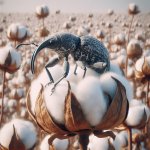
When it comes to pests that have wreaked havoc on agriculture, few have had as devastating an impact as the boll weevil (Anthonomus grandis). This small beetle, which feeds on cotton buds and flowers, has been responsible for billions of dollars in losses to the cotton industry since its arrival in the United States in the late 19th century. For cotton farmers, the boll weevil represents a persistent threat, one that requires a deep understanding of its biology, lifecycle, and control methods to prevent widespread crop damage.
-
Advertisement
-
Cabbage Loopers: The Caterpillar Challenge
When it comes to gardening, particularly for those growing cabbage, broccoli, kale, and other brassicas, one of the most persistent and damaging pests is the cabbage looper (Trichoplusia ni). This small, green caterpillar may appear harmless at first, but its voracious appetite can leave a trail of destruction in your vegetable garden. If left unchecked, cabbage loopers can cause significant damage to crops, leading to reduced yields and unhealthy plants.
-
Squash Bugs: A Gardener's Guide to Defense
When it comes to growing squash, zucchini, pumpkins, and other members of the Cucurbitaceae family, one of the most persistent threats you’ll face in the garden is the squash bug (Anasa tristis). These destructive pests can wreak havoc on your crops, causing wilting, leaf damage, and in severe cases, plant death. While squash bugs are notorious for targeting squashes and pumpkins, they can also affect other crops like cucumbers and melons. Learning how to identify, control, and prevent squash bugs is essential for protecting your harvest.
-
Stink Bugs: How to Protect Your Crops from These Smelly Pests
The arrival of stink bugs in your garden or crop field can quickly turn from a minor nuisance into a serious threat. These pests not only emit a strong, unpleasant odor when disturbed but also cause significant damage to fruits, vegetables, and ornamental plants. Known for their shield-shaped bodies and foul smell, stink bugs have become a common issue for gardeners and farmers alike. With the invasive brown marmorated stink bug (Halyomorpha halys) spreading across North America, Europe, and other regions, understanding how to manage these pests is crucial for protecting your crops.
-
Leaf Miners: The Hidden Leaf Destroyers
If you’ve ever noticed twisting, winding lines or patches of blotchy discoloration on the leaves of your plants, chances are, you’ve encountered the work of leaf miners. These small pests are aptly named for their behavior—burrowing into leaves and feeding on the tissue between the upper and lower surfaces. While leaf miners are tiny, the damage they cause can be extensive, impacting the health and appearance of plants in your garden.
-
Root Aphids: The Underground Garden Menace
In the world of gardening, pests are an inevitable challenge, but one of the most insidious and difficult to detect is the root aphid. Unlike their more commonly known counterparts that feed on the foliage of plants, root aphids attack the underground portions of plants, targeting the roots. These pests can weaken or even kill plants by disrupting their ability to absorb water and nutrients from the soil. Root aphids are particularly frustrating because they often go unnoticed until the damage is significant. Understanding how to identify, control, and prevent root aphids is critical for maintaining a healthy garden.
-
Japanese Beetles: Identifying and Controlling This Invader
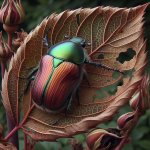
Among the most notorious pests that can devastate your garden is the Japanese beetle. With its metallic green and bronze body, this invasive species may appear harmless at first glance, but its feeding habits can quickly turn beautiful landscapes into areas of devastation. Native to Japan, the Japanese beetle (Popillia japonica) was first discovered in the United States in 1916. Since then, it has spread across much of North America, where it wreaks havoc on a wide range of plants.
-
Fungus Gnats: How to Keep Your Soil Pest-Free
When it comes to houseplants and gardening, one of the most common and frustrating pests is the fungus gnat. While these small, mosquito-like insects might seem harmless at first glance, they can wreak havoc on your plants by attacking the roots and creating an environment that stunts growth. If you've noticed tiny black flies hovering around your plants, especially when the soil is damp, you're likely dealing with a fungus gnat infestation.