Plant Problems Gardening Tips and Plant Care
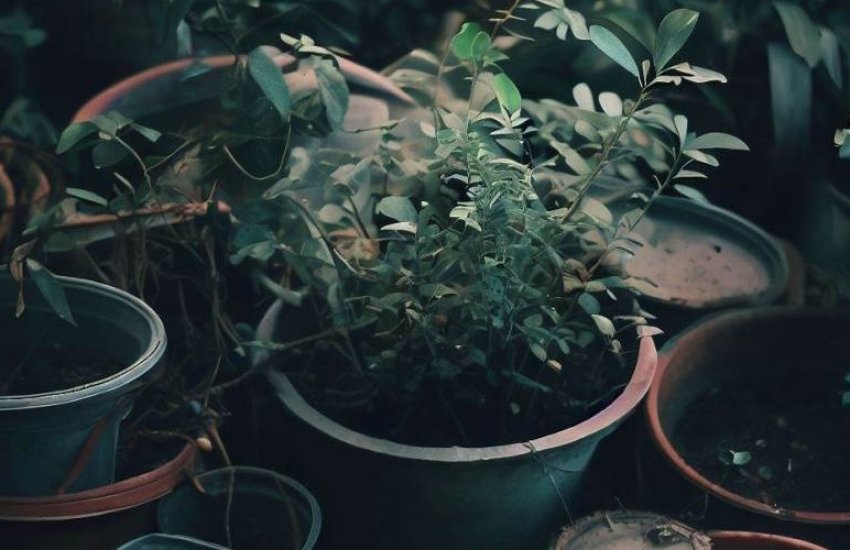
Even the healthiest gardens sometimes face challenges—but identifying and solving plant problems quickly can save your greenery and keep your garden thriving. In our Plant Problems category at GardenBotany.com, we help you recognize common issues like pests, diseases, nutrient deficiencies, and environmental stress, offering clear, practical advice to get your plants back on track. From spotting early symptoms to implementing effective treatments, our guides simplify troubleshooting so you can maintain a lush, healthy garden, indoors and out.
Recent Posts of Plant Problems - Gardening Ideas
-

Clover Mites: Tiny Red Invaders in Your Garden
Clover mites may be small, but their presence in gardens and homes can be both puzzling and frustrating. These tiny red insects, often mistaken for harmless specks of dirt or stains, can multiply rapidly, especially in spring and fall. While they are generally harmless to humans and pets, their sheer numbers and tendency to invade homes in search of shelter can make them a nuisance.
-
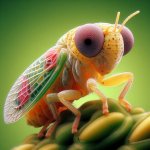
Leafhoppers: The Tiny Pests That Pack a Punch
Leafhoppers may be small, but they can cause big problems in your garden. These tiny insects belong to the family Cicadellidae, and their presence often goes unnoticed until it's too late. Known for their ability to quickly hop from one plant to another, leafhoppers can inflict serious damage on crops, flowers, and ornamental plants by sucking the sap from their leaves. They not only weaken plants but can also transmit diseases, making them a significant threat to gardeners and farmers alike.
-
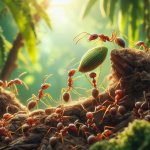
Ants: The Unseen Helpers and Threats in Your Garden
When it comes to garden ecosystems, few creatures are as fascinating and misunderstood as ants. These tiny insects often go unnoticed as they busily navigate through soil, plants, and leaves. However, the role of ants in a garden is far more complex than their size would suggest. While many people think of ants as mere pests, they can also be beneficial helpers in certain situations. At the same time, their activities can sometimes pose threats to both plants and other beneficial creatures in your garden.
-
Advertisement
-
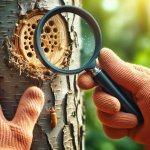
Understanding Borers: Protecting Your Plants from Within
Healthy, vibrant plants are the pride of any garden, but there is a hidden threat that can quickly turn a flourishing plant into a lifeless one. Borers are among the most damaging pests in gardens and landscapes, attacking plants from the inside out. While many garden pests nibble at leaves or feed on roots, borers take a more invasive approach, burrowing into the stems, trunks, or branches of plants and causing damage from within. This type of infestation can be difficult to detect early, making it even more important to understand how to identify, prevent, and control borers before they destroy your plants.
-
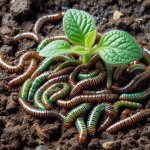
Cutworms: The Silent Destroyers of Seedlings
Gardening can be a rewarding and peaceful hobby, but it's not without its challenges. One of the most frustrating issues that gardeners face is the sudden and seemingly inexplicable disappearance of their carefully planted seedlings. If you've ever walked into your garden to find your young plants mysteriously cut off at the base, you're likely dealing with cutworms, the hidden enemies that lurk in the soil.
-
Flea Beetles: Small but Mighty Garden Pests
Flea beetles might be tiny, but their impact on gardens can be enormous. These minuscule pests, often just a few millimeters in length, can wreak havoc on a wide range of plants. Gardeners around the world battle with flea beetles as they chew through leaves, leaving unsightly holes and stunted growth in their wake. Understanding flea beetles' behavior, the plants they target, and the best strategies for controlling them is crucial for maintaining a healthy garden. Let's dive into the world of these small but mighty pests, and explore how to protect your precious plants.
-
Grasshoppers: Managing These Large Garden Pests
Gardens are often cherished for their vibrant plant life and the sense of peace they bring to our outdoor spaces. However, these green oases can also attract pests that can wreak havoc on plants, turning a once-lush landscape into a chewed-up mess. One such common pest is the grasshopper. With over 11,000 species worldwide, grasshoppers are notorious for their voracious appetites, capable of consuming large amounts of foliage in a short period of time. Understanding how to manage and control these pests is essential for maintaining a healthy and productive garden.
-
Nematodes: The Microscopic Menace to Your Plants
Nematodes are microscopic, worm-like organisms that inhabit the soil, thriving in diverse environments. While some nematodes can be beneficial, many are harmful to plants, feeding on their roots and tissues, causing significant damage. These harmful nematodes are often referred to as plant-parasitic nematodes and can be a persistent problem for gardeners, farmers, and anyone cultivating crops. In this guide, we explore what nematodes are, how they damage plants, the different types that pose risks, and strategies for controlling them.
-
Black Garden Ant: Understanding the Common Insect in Your Yard
The black garden ant (Lasius niger), also known as the common black ant, is one of the most familiar species of ants found in gardens across Europe, Asia, and parts of North America. Although small in size, their presence can be felt in yards, parks, and homes. Understanding their behavior, habitat, and role in the ecosystem is crucial for gardeners and homeowners who encounter these tiny creatures.
-
Yellow Garden Spider: Nature’s Web Weaving Wonder
The yellow garden spider (Argiope aurantia), also known as the black and yellow garden spider or the writing spider, is a common yet fascinating creature often found in gardens and meadows. This spider is widely admired for its striking appearance, impressive web design, and ecological benefits. Whether you're an arachnid enthusiast or simply curious about the creatures living in your backyard, learning about the yellow garden spider can deepen your appreciation for these essential predators. Let’s dive into the life, behavior, and characteristics of this remarkable spider.