Plant Problems Gardening Tips and Plant Care
Even the healthiest gardens sometimes face challenges—but identifying and solving plant problems quickly can save your greenery and keep your garden thriving. In our Plant Problems category at GardenBotany.com, we help you recognize common issues like pests, diseases, nutrient deficiencies, and environmental stress, offering clear, practical advice to get your plants back on track. From spotting early symptoms to implementing effective treatments, our guides simplify troubleshooting so you can maintain a lush, healthy garden, indoors and out.
Recent Posts of Plant Problems - Gardening Ideas
-

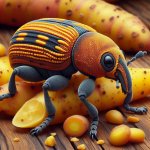
Sweet Potato Weevil: Protecting Your Harvest
The sweet potato weevil (Cylas formicarius) is one of the most destructive pests affecting sweet potato crops worldwide. This small but tenacious insect can cause significant damage to both the vines and tubers of sweet potato plants, leading to reduced yields and lower crop quality. For farmers and gardeners who rely on sweet potatoes, understanding how to identify, manage, and prevent sweet potato weevil infestations is crucial to protecting their harvest.
-
Asian Beetles: Friends or Foes in the Garden?
The Asian beetle, more commonly known as the Asian lady beetle (Harmonia axyridis), is a fascinating insect that often sparks debate among gardeners and homeowners. Originally introduced to North America as a biological control agent for aphids and other pests, the Asian beetle has since become a controversial figure in the garden. While these beetles can be highly beneficial by reducing harmful pest populations, they also have a darker side, including infestations in homes and competition with native ladybugs.
-
Blister Beetles: Beautiful but Dangerous
The blister beetle is an intriguing insect that catches the eye with its bright colors and elongated body, but don't let its beauty fool you. These beetles produce a toxic substance called cantharidin, which can cause skin irritation and blisters upon contact. Found in various parts of the world, blister beetles are not only a threat to humans but also to livestock, especially horses, which can suffer from severe health issues if they ingest hay contaminated with these beetles.
-
Advertisement
-
Meadow Spittlebugs: Understanding Their Frothy Presence
The meadow spittlebug (Philaenus spumarius), also known as the common froghopper, is a small, sap-sucking insect often found in gardens, meadows, and agricultural fields. This bug gets its name from the distinctive frothy masses or "spittle" that its nymphs produce, which can be seen clinging to the stems and leaves of plants. While the spittle may seem harmless, meadow spittlebugs can impact plant health by feeding on sap and causing stress to the host plant.
-
Bronze Orange Bug: The Citrus Tree Menace
The bronze orange bug (Musgraveia sulciventris) is a notorious pest that poses a significant threat to citrus trees, including orange, lemon, lime, and grapefruit trees. Native to Australia, this large sap-sucking bug can cause extensive damage to citrus crops, reducing fruit quality and yield. For gardeners and citrus growers, understanding how to identify, manage, and prevent infestations of the bronze orange bug is crucial for maintaining healthy and productive trees.
-
Red Imported Fire Ants: The Aggressive Garden Invaders
The red imported fire ant (Solenopsis invicta) is an aggressive and invasive species that poses a significant threat to gardens, lawns, and agricultural areas. Native to South America, this ant species has rapidly spread throughout various parts of the world, particularly the southern United States. These ants are known for their painful stings, which can cause severe reactions in both humans and animals, and their destructive behavior that disrupts outdoor activities and damages plants.
-
Cereal Leaf Beetles: Protecting Your Grain Crops
The cereal leaf beetle, known scientifically as Oulema melanopus, is a major pest that threatens grain crops worldwide. Originally from Europe, it has become a significant concern in North America, where it was first detected in the 1960s. The adult beetles and their larvae feed on the leaves of various cereal crops, significantly reducing yield and affecting crop quality. For farmers growing wheat, oats, barley, and other cereals, understanding how to identify, manage, and prevent cereal leaf beetle infestations is critical for protecting their livelihood.
-
Black Vine Weevil: The Root-Feeding Pest You Need to Know
The black vine weevil, also known as Otiorhynchus sulcatus, is a notorious garden pest that wreaks havoc on various plants by feeding on their roots and foliage. Understanding the lifecycle, damage, and management of the black vine weevil is essential for gardeners and landscapers who want to protect their plants from this destructive insect.
-
Palm Weevils: The Silent Destroyers of Palm Trees
Palm trees, with their majestic appearance and tropical allure, have long been iconic symbols of beauty and tranquility. Unfortunately, these magnificent trees face a significant threat from an invasive pest known as the palm weevil. These destructive beetles not only wreak havoc on the trees but also pose a considerable threat to the economy and the environment in regions where palm trees are prominent. In this article, we will delve into the world of palm weevils, understanding their characteristics, life cycle, types, and the damage they inflict, as well as methods to control their spread.
-
Spider Mites: Identifying and Controlling These Pests
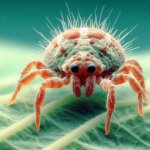
Spider mites are among the most troublesome pests that affect gardens, houseplants, and crops. These tiny arachnids can cause significant damage to plants, leading to wilting, discoloration, and even plant death if not promptly addressed. Understanding how to identify and control spider mites is essential for keeping your plants healthy and thriving. In this comprehensive guide, we will explore everything you need to know about spider mites, including their appearance, behavior, signs of infestation, and effective control strategies.