Plant Problems Gardening Tips and Plant Care
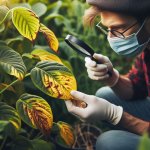
Even the healthiest gardens sometimes face challenges—but identifying and solving plant problems quickly can save your greenery and keep your garden thriving. In our Plant Problems category at GardenBotany.com, we help you recognize common issues like pests, diseases, nutrient deficiencies, and environmental stress, offering clear, practical advice to get your plants back on track. From spotting early symptoms to implementing effective treatments, our guides simplify troubleshooting so you can maintain a lush, healthy garden, indoors and out.
Recent Posts of Plant Problems - Gardening Ideas
-

What Causes Black Spot Disease on Roses and How Can I Manage It?
Roses are truly the queens of the garden, cherished for their beautiful blooms and often lovely fragrance. But even royalty can have its troubles. One of the most common and frustrating problems for rose growers is Black Spot disease. This fungal disease can quickly turn lush, green rose bushes into unsightly, defoliated plants. Understanding what causes Black Spot and how to fight it is key to keeping your roses healthy and blooming profusely.
-
How to Treat Powdery Mildew on Your Rose Plants?
The sight of beautiful rose plants bursting with vibrant blooms is one of the true joys of gardening. However, this delight can quickly turn to dismay when you notice a dusting of white, flour-like substance on the leaves and stems. This unwelcome guest is often powdery mildew, a common fungal disease that can quickly diminish the beauty and health of your cherished roses. While it rarely kills a mature rose plant, a severe infestation can weaken it, reduce blooming, and make it an unsightly addition to your garden.
-
Why are the leaves on my guava tree turning yellow?
Seeing the vibrant green leaves of your beloved guava tree begin to fade, turning into shades of yellow, can be a disheartening experience for any gardener. It's a clear signal that something isn't quite right, a plant's way of telling you it's under stress or lacking something vital. While a few yellow leaves might be a normal part of the plant's life cycle, widespread or sudden discoloration points to an underlying issue that needs your attention. Ignoring these yellowing leaves can lead to more serious problems, affecting the tree's growth, fruit production, and overall health.
-
Advertisement
-
What are the common pests and diseases affecting guava trees?
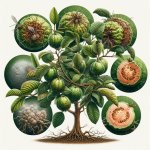
Guava trees are a wonderful addition to any tropical or subtropical garden, known for their delicious, aromatic fruit and relatively easy care. However, like all plants, they are not immune to challenges. A range of common pests and diseases can affect guava trees, potentially impacting their health and the quality of their fruit. Understanding these issues is the first step toward effective management and ensuring your tree remains productive and vibrant. Early detection and proper identification are key to successful treatment, allowing you to enjoy a bountiful harvest year after year.
-
What are some companion planting strategies to naturally repel pests?
Gardening can be a truly rewarding experience, offering fresh produce and a connection to nature. However, it often comes with the frustrating challenge of dealing with unwanted guests: pests. These tiny invaders can decimate a garden, turning lush greens into a ragged mess. Many gardeners resort to chemical sprays, but these can harm beneficial insects, pollute the soil, and even leave residues on your food. Fortunately, there's a more natural, harmonious approach: companion planting. This age-old practice involves growing certain plants together because they benefit each other in various ways, including deterring pests. It's like building a little ecosystem right in your backyard, where plants work as a team to protect themselves. By strategically placing specific plants next to your vulnerable crops, you can create a natural barrier, confusing pests with strong scents, attracting their predators, or even luring them away from your prized plants. This method isn't just about keeping pests away; it's about fostering a healthier, more resilient garden that thrives with less intervention.
-
How do I identify and control slug infestations in my garden?
You step out into your garden, eager to check on your thriving plants, only to find a disheartening sight: ragged holes in tender leaves, gnawed edges on developing fruits, and glistening, silvery trails crisscrossing your prized hostas. The culprits, though often unseen during the day, leave behind unmistakable calling cards. Slug infestations can quickly turn a gardener's joy into a frustrating battle, as these slimy mollusks have an insatiable appetite for a wide array of plants, from young seedlings to mature vegetables and ornamentals. Identifying their presence and understanding their habits is the crucial first step in protecting your green sanctuary.
-
What are the most effective methods for deterring garden pests organically?
The vibrant tableau of a thriving garden, teeming with lush foliage and bountiful harvests, is a deeply satisfying reward for any gardener. However, this appealing scene doesn't go unnoticed by everyone. Often, unwelcome guests arrive, eager to partake in the green feast, turning diligent efforts into frustrating battles against munching leaves, stunted growth, and damaged fruits. While conventional gardening might reach for synthetic chemicals to combat these invaders, a growing number of gardeners are embracing a more harmonious and sustainable approach: organic pest control. This philosophy isn't about eradicating every single insect, but rather about creating a balanced ecosystem where pests are managed naturally, minimizing harm to beneficial organisms, the environment, and our own health. It's a journey of understanding nature's intricate web, learning to work with it rather than against it. This guide will delve into the most effective methods for deterring garden pests organically, empowering you to cultivate a resilient, chemical-free garden that truly thrives.
-
How can I protect my garden from invasive weeds?
The dream of a lush, thriving garden can quickly turn into a nightmare when aggressive, unwanted plants begin to take over. These tenacious invaders, often referred to as invasive weeds, compete fiercely with your desired plants for sunlight, water, and nutrients, ultimately stifling their growth and diminishing the beauty of your outdoor space. More than just a nuisance, some invasive weeds can even damage infrastructure or disrupt local ecosystems if left unchecked. The constant battle against these persistent foes can be daunting, but with the right strategies, you can effectively protect your garden.
-
What causes yellowing leaves on plants and how do I fix it?
Observing vibrant green leaves suddenly turn a sickly yellow can be one of the most disheartening sights for any plant parent. This common symptom, known as chlorosis, indicates that something isn't quite right with your plant's health. Yellowing leaves mean that the plant isn't producing enough chlorophyll, the green pigment vital for photosynthesis (the process plants use to convert sunlight into energy). It's a clear signal that your plant is stressed and needs your attention.
-
Why are my plants wilting and how can I revive them?
You walk past your once-vibrant houseplant, or step into your garden, only to be met with a disheartening sight: leaves drooping limply, stems bending weakly, and an overall appearance of exhaustion. Your beloved plant is wilting. It's a common and alarming symptom that strikes fear into the heart of any gardener, signaling that something is fundamentally wrong.