Plant Problems Gardening Tips and Plant Care
Even the healthiest gardens sometimes face challenges—but identifying and solving plant problems quickly can save your greenery and keep your garden thriving. In our Plant Problems category at GardenBotany.com, we help you recognize common issues like pests, diseases, nutrient deficiencies, and environmental stress, offering clear, practical advice to get your plants back on track. From spotting early symptoms to implementing effective treatments, our guides simplify troubleshooting so you can maintain a lush, healthy garden, indoors and out.
Recent Posts of Plant Problems - Gardening Ideas
-

What Causes Leaf Spot on My Hydrangeas and How Can I Fix It?
Leaf spot on hydrangeas is primarily caused by various fungal pathogens, thriving in moist conditions, leading to unsightly dark spots on foliage. To fix it, improve air circulation, prune affected leaves, ensure proper watering techniques, and consider fungicide applications for severe cases, prioritizing cultural controls.
-
How Do I Treat Rust Fungus on My Garden Plants?
You step into your garden, eager to admire your thriving plants, when you spot it: unsightly orange, yellow, or reddish-brown spots on the leaves, almost like specks of rust on metal. You flip a leaf over, and there they are – powdery, blister-like pustules that easily rub off, leaving a dusty residue on your fingers. You've just encountered rust fungus, a common and often frustrating disease that can plague a wide variety of garden plants.
-
What Should I Do If My Lavender Plants Are Suffering from Root Bound Conditions?
The silvery foliage and intoxicating fragrance of lavender plants make them a cherished addition to any garden or patio. Known for their resilience and drought-tolerant nature, these Mediterranean beauties often thrive with minimal fuss. However, even the toughest plants can face challenges, and one common, yet often overlooked, problem for lavender is root-bound conditions, especially when grown in pots. When a lavender plant's root system becomes too large for its container, its health and vigor can quickly decline, leading to stunted growth, reduced flowering, and a general lack of vitality.
-
Advertisement
-
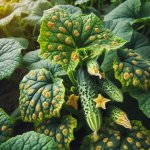
Why Are My Cucumber Plants Showing Signs of Mosaic Virus and How Can I Manage It?
Seeing your cucumber plants struggle can be really disheartening, especially when you've put so much effort into growing them. You're watching them grow, hoping for a bountiful harvest, and then you notice something isn't quite right. The leaves might look a bit strange, or the fruits might be bumpy. It's a common problem for gardeners, and often, the culprit is something called mosaic virus. This tricky plant disease can pop up unexpectedly and cause a lot of damage if not handled properly.
-
How Do I Address Root Rot in Succulents?
Succulents are beloved for their unique shapes, vibrant colors, and reputation for being easy to care for. They're often seen as plants that thrive on neglect, which is partly true. However, even these resilient plants have a weakness, and it often comes down to one common issue: root rot. This problem can quickly turn a happy, plump succulent into a sad, mushy mess.
-
What Causes Leaf Curl in Peach Trees and How Do I Treat It?
Imagine walking out to your beautiful peach tree, expecting to see lush, green leaves. Instead, you find something alarming: the leaves are all twisted, puckered, and may even be turning red or purple. This, my friend, is most likely peach leaf curl. It's a common and often frustrating disease for anyone growing peach or nectarine trees.
-
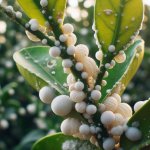
How Can I Control Scale Insects on My Citrus Trees?
The glossy green leaves and fragrant blossoms of a citrus tree bring a touch of the Mediterranean to any garden or patio, promising juicy fruits and vibrant color. However, these beloved trees are not immune to the unwelcome attention of various pests. Among the most persistent and frustrating invaders are scale insects. These tiny, immobile creatures can quickly colonize stems, branches, and even fruit, slowly sapping the life out of your prized citrus trees and leaving behind a sticky mess. Their seemingly innocent appearance belies their potential for significant damage if left unchecked.
-
What Are the Best Treatments for Aphid Infestations on Vegetable Crops?
Discovering a cluster of tiny, soft-bodied insects on your vibrant vegetable crops can be disheartening for any gardener. These common invaders, known as aphids, are notorious for their rapid reproduction and their ability to quickly inflict damage, turning healthy plants into stunted, sticky messes. While they might seem small and unassuming, a full-blown aphid infestation can significantly reduce your harvest, spread plant diseases, and even kill young, vulnerable plants if left unchecked. The good news is that there are many effective ways to tackle these persistent pests without resorting to harsh chemicals that might harm your edibles or beneficial insects.
-
How Do I Deal with Spider Mites on Indoor Plants?
Discovering tiny pests on your beloved indoor plants can be disheartening. Among the most frustrating of these unwelcome guests are spider mites. These microscopic arachnids are notorious for their rapid reproduction and the significant damage they can inflict if left unchecked. They can quickly turn lush foliage dull, speckled, and even cause it to drop off, severely weakening your houseplants. Dealing with a spider mite infestation requires prompt action and a bit of persistence, but with the right approach, you can effectively eradicate them and restore your plants to their vibrant health. This guide will walk you through identifying these elusive pests, understanding the harm they cause, and implementing a range of proven strategies to get rid of them for good.
-
Why Are My Tomato Plants Developing Blossom End Rot and How Can I Prevent It?
It's a familiar and deeply frustrating sight for any gardener: you watch your beautiful green tomatoes grow, eagerly anticipating their juicy ripeness, only to discover a dark, mushy, sunken spot on the bottom (the blossom end) of the fruit. This unwelcome visitor is almost certainly blossom end rot (BER). It's a common problem, especially for new tomato growers, and it can ruin a significant portion of your harvest if not addressed. The good news? While it looks like a disease, blossom end rot is actually a physiological disorder, which means it's a problem with how the plant functions, and it's almost always preventable and manageable. This comprehensive guide will explain exactly what causes it, demystify the science behind it, and, most importantly, give you a clear, actionable plan to prevent and treat it, ensuring a bountiful and blemish-free tomato harvest.