Plant Problems Gardening Tips and Plant Care
Even the healthiest gardens sometimes face challenges—but identifying and solving plant problems quickly can save your greenery and keep your garden thriving. In our Plant Problems category at GardenBotany.com, we help you recognize common issues like pests, diseases, nutrient deficiencies, and environmental stress, offering clear, practical advice to get your plants back on track. From spotting early symptoms to implementing effective treatments, our guides simplify troubleshooting so you can maintain a lush, healthy garden, indoors and out.
Recent Posts of Plant Problems - Gardening Ideas
-

What Causes Scab Disease on Apple Trees and How Do I Treat It?
Apple trees are a favorite in many orchards and backyards, gracing us with crisp, delicious fruit. However, these beloved trees are susceptible to a common and frustrating ailment known as apple scab. This fungal disease can wreak havoc on your harvest, turning beautiful apples into spotted, unappetizing fruit. Understanding what causes apple scab and how to effectively manage it is key to maintaining a healthy and productive apple tree.
-
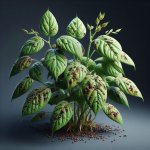
How Do I Deal with Anthracnose in Bean Plants?
Growing your own beans can be incredibly rewarding, offering a fresh, crisp crunch whether you're harvesting green beans, shelling beans, or drying them for future use. However, like all plants, beans can sometimes face challenges from diseases. One of the most common and frustrating problems for bean growers is anthracnose. This fungal disease can quickly spread through your bean patch, causing damage to leaves, stems, pods, and even the seeds themselves. It can significantly reduce your harvest or even wipe out an entire crop if not managed properly. Identifying anthracnose early and taking action is key to protecting your precious bean plants.
-
What Causes Poor Fruit Set in Peppers and How Can I Improve It?
There’s nothing quite as satisfying as watching your pepper plants grow, producing vibrant green leaves and then delicate flowers. But then, the disappointment sets in: those flowers just drop off, and no peppers appear. This common problem, known as poor fruit set, can be frustrating for any gardener. Don't worry! Understanding the reasons behind it is the first step to enjoying a bountiful harvest of your favorite sweet or spicy peppers.
-
Advertisement
-
How Can I Prevent and Control Crown Rot in My Strawberries?
Strawberries are a quintessential garden delight, offering juicy, sweet berries that signal the arrival of warmer weather. Whether you grow them in neat rows, cascading from hanging baskets, or as groundcover, the satisfaction of harvesting your own fresh strawberries is unmatched. However, like any cherished crop, strawberries can face challenges, and one of the most devastating is crown rot. This sneaky disease can quickly turn a thriving patch into a wilting disappointment, attacking the very heart of the plant.
-
What Should I Do If My Ferns Are Turning Brown and Crispy?
Ferns, with their delicate, feathery fronds, bring a touch of the forest floor's tranquility into our homes. They are cherished for their lush green textures and their ability to thrive in shaded corners where other plants might struggle. However, anyone who has cared for a fern knows that they can be a bit particular. One of the most common and disheartening problems fern owners face is seeing those beautiful green fronds start to turn brown and crispy.
-
How Can I Treat Leaf Curl on My Grape Vines?
There's nothing quite like the promise of sweet, juicy grapes ripening on the vine. Whether you're growing them for fresh eating, homemade jelly, or even winemaking, healthy grape vines are key to a bountiful harvest. So, it can be pretty alarming when you notice something isn't quite right, especially when the leaves start to curl. Leaf curl on grape vines is a common problem, and it can be a frustrating mystery for gardeners. Is it a pest? A disease? A simple watering issue? The curling leaves can make your beautiful vines look sickly and, more importantly, they can impact the health of your plant and the quality of your grape harvest.
-
What Causes Damping-Off Disease in Seedlings and How Can I Prevent It?
Starting seeds indoors is one of the most exciting parts of gardening. You carefully plant tiny seeds, watch for the first signs of green, and feel a real thrill as little seedlings sprout up. It's a hopeful time, full of promise for the garden to come. But sometimes, a sudden disaster strikes. One day your seedlings are standing tall, and the next, they've collapsed at the soil line, looking like they've been pinched off. This heartbreaking sight is often caused by something called damping-off disease.
-
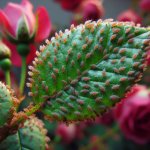
How Do I Handle Aphid Problems on My Rose Bushes?
The sight of new growth on a rose bush in spring is one of the most exciting moments for any gardener. Tender red shoots emerge, soon followed by the promise of lush green leaves and exquisite flower buds. But often, this beautiful anticipation is met with a common, albeit frustrating, reality: tiny, pear-shaped insects clustering on those very same tender shoots and buds. These are aphids, and for rose lovers, they are a familiar, unwelcome guest. Though small, these prolific pests can quickly multiply, sucking the life out of your precious roses and marring their beauty.
-
What Are the Signs of Fungal Root Diseases in Orchids and How Do I Treat Them?
Orchids, with their breathtakingly intricate and diverse blooms, are often considered the jewels of the plant world. Their elegant forms and exotic colors can transform any indoor space into a tropical oasis, making them incredibly popular houseplants. However, despite their reputation for being delicate, many common orchid varieties like the Phalaenopsis (Moth Orchid) are quite resilient once their specific care needs are met. Yet, even the most attentive orchid enthusiast can face a common and often devastating adversary: fungal root diseases. These silent killers lurk beneath the potting mix, slowly compromising the very foundation of the orchid's health.
-
How Can I Manage Nematode Infestations in My Soil?
You've noticed your plants aren't thriving. Despite regular watering and feeding, they look stunted, yellow, or just generally unwell. You've checked for common pests and diseases, but can't find the culprit. It's possible you're dealing with a hidden enemy: plant-parasitic nematodes. These microscopic, worm-like organisms live in the soil and can cause significant damage to plant roots, leading to reduced yields and unhealthy plants.