Plant Problems Gardening Tips and Plant Care
Even the healthiest gardens sometimes face challenges—but identifying and solving plant problems quickly can save your greenery and keep your garden thriving. In our Plant Problems category at GardenBotany.com, we help you recognize common issues like pests, diseases, nutrient deficiencies, and environmental stress, offering clear, practical advice to get your plants back on track. From spotting early symptoms to implementing effective treatments, our guides simplify troubleshooting so you can maintain a lush, healthy garden, indoors and out.
Recent Posts of Plant Problems - Gardening Ideas
-

What Causes Peach Leaf Curl and How Can I Manage It?
You anticipate the juicy sweetness of homegrown peaches, but as spring arrives, a disturbing sight greets you: the new leaves on your peach tree are not only misshapen and puckered but also thickened and turn an alarming red or purple. This unsightly deformation is the hallmark of peach leaf curl, a frustrating fungal disease that can severely impact the health and productivity of your beloved fruit trees.
-
How Do I Prevent and Treat Apple Scab in My Orchard?
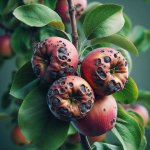
Imagine a beautiful apple orchard, heavy with ripening fruit. You look forward to biting into a crisp, juicy apple. But then you see them: dark, velvety spots on the leaves, twigs, and worst of all, on the apples themselves. These spots are the tell-tale signs of Apple Scab, one of the most common and damaging diseases for apple trees and crabapples. Apple Scab can ruin your harvest, weaken your trees, and make your apples unappetizing. If you're wondering how to prevent and treat Apple Scab in your orchard, you've come to the right place. With the right strategies, you can protect your trees and enjoy a blemish-free bounty.
-
How Do I Manage Powdery Mildew on Zucchini Plants?
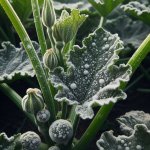
You eagerly watch your zucchini plants grow, anticipating a bountiful summer harvest. The vines spread, the leaves unfurl, and then, you spot it: a white, dusty coating on the leaves, looking like someone sprinkled flour over your prized vegetables. This unwelcome sight is almost certainly powdery mildew, one of the most common and frustrating fungal diseases to plague zucchini and other cucurbits.
-
Advertisement
-
What Causes Browning Tips on Indoor Peace Lilies and How Do I Fix It?
The elegant Peace Lily (Spathiphyllum) is a beloved houseplant, cherished for its glossy green leaves and distinctive white, flag-like "flowers" (actually modified leaves called spathes). They are often recommended for beginners due to their ability to tolerate a range of conditions, and they famously "tell" you when they're thirsty by dramatically drooping. However, even these graceful plants can present a common and perplexing problem for their caregivers: browning leaf tips.
-
How Do I Treat Downy Mildew on Basil Plants?
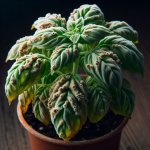
There's nothing quite like the fragrant, fresh taste of basil straight from your garden. Whether you're making pesto, sprinkling it over a Caprese salad, or adding it to a homemade pizza, basil is a culinary superstar. So, it's incredibly frustrating when you notice your beautiful, healthy basil plants suddenly looking sad, with yellowing leaves and strange fuzzy growth underneath. This common culprit is often downy mildew, a widespread and aggressive plant disease that can decimate a basil crop seemingly overnight.
-
What Are the Causes of Yellowing Leaves in Citrus Trees and How Can I Resolve It?
The lush, glossy green foliage of a citrus tree is a sight to behold, promising fragrant blossoms and delicious, juicy fruits. Whether gracing a sunny patio, thriving in a conservatory, or bringing a touch of the Mediterranean to a backyard, these vibrant trees are a prized addition to many gardens. So, when the vibrant green starts to fade, giving way to a pale yellow or even a sickly yellowish-brown, it can be a source of significant concern for any citrus enthusiast. Yellowing leaves on citrus trees are a common, yet often alarming, signal that your tree is in distress, hinting at a range of underlying problems from simple nutrient deficiencies to more serious environmental stresses.
-
How Can I Treat Root Mealybugs in Houseplants?
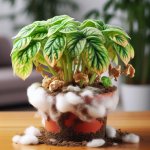
Discovering that your seemingly healthy houseplant is suffering from an invisible assailant beneath the soil can be a frustrating and alarming experience. Root mealybugs are insidious pests that feed on plant roots, often causing decline without obvious signs until the infestation is severe. Learning how to treat root mealybugs in houseplants requires a targeted, persistent approach, focusing on a combination of physical removal, cultural adjustments, and effective soil-drench treatments to eradicate these hidden nuisances and restore your plant's vigor.
-
What Causes Stunted Growth in Cucumber Plants and How Can I Promote Healthy Growth?
Encountering stunted growth in cucumber plants can be a disheartening experience for any gardener hoping for a bountiful harvest of crisp, refreshing cucurbits. These vigorous vining plants typically thrive when conditions are just right, but various environmental stressors, nutritional imbalances, or pest and disease pressures can halt their development. Understanding the underlying causes of slow growth and implementing targeted strategies to promote healthy growth is essential for ensuring your cucumber patch yields a satisfying abundance of fruits.
-
How Do I Prevent Rust on My Hollyhock Plants?
Hollyhock rust can be a disheartening sight for gardeners who adore these classic, towering blooms. While their stately presence and vibrant flowers make them garden favorites, rust disease is a common and often persistent foe. This fungal infection, easily identified by its distinctive orange or brown pustules on leaves and stems, can weaken plants, stunt their growth, and significantly reduce their floral display. Understanding how to prevent rust on your hollyhock plants is essential for keeping these beauties healthy and vibrant, allowing them to truly shine in your garden. This guide provides comprehensive strategies, from proactive measures to effective treatments, to help you combat this pervasive problem.
-
Why Are My Spider Plants Developing Brown Leaf Tips and How Can I Correct It?
Spider plants are incredibly popular houseplants, and for good reason! They're easy to care for, grow quickly, and even produce adorable "spiderettes" that you can share with friends. Their long, arching leaves, often variegated with green and white stripes, add a lovely touch of greenery to any room. However, even these seemingly carefree plants can sometimes show signs of distress. One of the most common complaints among spider plant owners is the appearance of brown leaf tips. It can be a bit disheartening to see those crisp, discolored ends on what should be lush, vibrant foliage.