Plant Problems Gardening Tips and Plant Care
Even the healthiest gardens sometimes face challenges—but identifying and solving plant problems quickly can save your greenery and keep your garden thriving. In our Plant Problems category at GardenBotany.com, we help you recognize common issues like pests, diseases, nutrient deficiencies, and environmental stress, offering clear, practical advice to get your plants back on track. From spotting early symptoms to implementing effective treatments, our guides simplify troubleshooting so you can maintain a lush, healthy garden, indoors and out.
Recent Posts of Plant Problems - Gardening Ideas
-

Why Are My Houseplant Leaves Turning Yellow? Causes and Solutions
Observing your houseplant leaves turning yellow can be a disheartening sight for any plant parent, signaling that something is amiss in its environment or care routine. This common issue, known as chlorosis, occurs when leaves lose their green pigment, chlorophyll, which is essential for photosynthesis. Unraveling the precise cause behind your yellowing leaves requires a bit of detective work, as various factors, from watering habits to nutrient deficiencies, can contribute to this distress signal from your plant.
-
10 Common Houseplant Pests and How to Get Rid of Them
Encountering unwelcome visitors on your cherished indoor greenery is a common frustration for many plant enthusiasts. Understanding the most 10 common houseplant pests and how to get rid of them without resorting to harsh chemicals is a fundamental skill for maintaining a thriving indoor jungle. While it might seem daunting, identifying these tiny invaders early and employing natural, consistent treatment methods can restore your plants' vitality and ensure your home remains a sanctuary for both you and your flourishing botanical companions.
-
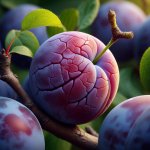
What Causes Fruit Cracking in Plums and How Can I Minimize It?
There’s nothing quite like the joy of harvesting ripe, juicy plums from your own backyard tree. The sweet, tangy flavor, the vibrant colors – it's a true taste of summer. But sometimes, just as your beautiful plums are ripening, you notice a disheartening sight: cracks appearing on the fruit's skin. This phenomenon, known as fruit cracking, is a common issue for many fruit growers, and plums are particularly susceptible. It's frustrating to see potential perfect fruit split open, making them vulnerable to pests, diseases, and ultimately, unmarketable or inedible.
-
Advertisement
-
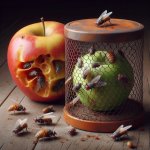
How Can I Treat and Prevent Fruit Fly Infestations in My Orchard?
There's nothing quite as satisfying as harvesting fresh, ripe fruit from your own orchard. But the joy can quickly turn to frustration when you discover tiny, wriggling larvae inside your beautiful peaches, apples, or berries. This heartbreaking damage is often the work of fruit flies, specifically a group of pests known as fruit flies (Tephritidae family, not the tiny gnats often found in kitchens, Drosophila). These orchard pests can cause significant economic damage, making your harvest unmarketable or inedible.
-
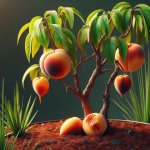
What Causes Sunburn on Peaches and How Can I Protect Them?
There's nothing quite like biting into a juicy, ripe peach on a warm summer day. The sweet flavor, the soft texture – it's a true taste of sunshine. But for peach growers, that same beloved sunshine can sometimes turn into a problem: sunburn. When the delicate skin of peaches gets too much direct, intense sun exposure, especially during hot spells, they can actually get "sunburned." This damage can reduce the quality and appeal of your fruit, sometimes even making it inedible.
-
How Do I Handle Fungal Infections on Blueberry Bushes?
There's nothing quite like the joy of harvesting sweet, plump blueberries from your own bushes. But this delightful experience can be dampened when you spot unsightly spots, wilting leaves, or dying branches – common signs of fungal infections. Blueberry bushes, like many plants, can be susceptible to various fungal diseases that, if left untreated, can severely reduce your yield or even kill the plant.
-
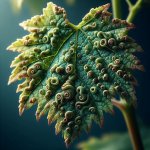
What Causes Grapevine Leafroll Virus and How Can I Manage It?
Growing grapes, whether for fresh eating, juice, or wine, can be a rewarding experience. There's nothing quite like harvesting your own fruit. However, like all plants, grapevines can be affected by various diseases. One of the most widespread and damaging is Grapevine Leafroll Disease (GLRD), caused by several different Grapevine Leafroll-associated Viruses (GLRaVs). This virus can severely impact the health and productivity of your grapevines, leading to lower yields and poor fruit quality. Understanding what causes it and, more importantly, how to manage it, is key to keeping your vineyard healthy.
-
How Do I Treat Sooty Mold on Citrus Fruits?
To treat sooty mold on citrus fruits, you must address its root cause: the sap-sucking insects that excrete sticky honeydew. Once the pest infestation is controlled, the sooty mold can be easily washed off with a gentle stream of water and a mild soap solution, restoring the plant's health and appearance.
-
What Are the Signs of Brown Rot in Cherries and How Can I Control It?
Few things are as delightful as picking fresh, ripe cherries from your own tree. But imagine reaching for a juicy fruit, only to find it soft, brown, and covered in fuzzy mold. This heartbreaking sight is usually the work of brown rot, a very common and destructive fungal disease that attacks cherries, peaches, plums, and other stone fruits. It can wipe out an entire crop if not managed. But don't despair! Understanding the signs and knowing how to fight back can save your precious harvest. This guide will walk you through spotting brown rot and controlling it naturally and effectively.
-
How Can I Address Blossom End Rot in Tomatoes?
Few things are as frustrating for a gardener as seeing your beautiful, ripening tomatoes develop ugly, mushy spots on the bottom. If you've ever dealt with a dark, sunken lesion on the blossom end of your tomatoes, you've encountered blossom end rot. It's a very common problem, but the good news is that it's usually preventable and treatable. This comprehensive guide will break down exactly what blossom end rot is, why it happens, and most importantly, how you can fix it and enjoy a bountiful, blemish-free harvest.