Plant Problems Gardening Tips and Plant Care
Even the healthiest gardens sometimes face challenges—but identifying and solving plant problems quickly can save your greenery and keep your garden thriving. In our Plant Problems category at GardenBotany.com, we help you recognize common issues like pests, diseases, nutrient deficiencies, and environmental stress, offering clear, practical advice to get your plants back on track. From spotting early symptoms to implementing effective treatments, our guides simplify troubleshooting so you can maintain a lush, healthy garden, indoors and out.
Recent Posts of Plant Problems - Gardening Ideas
-

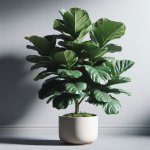
What Causes Leaf Drop in Fiddle Leaf Figs and How Can I Fix It?
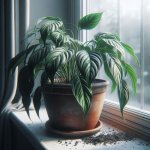
Seeing your fiddle leaf fig ( Ficus lyrata ) drop its leaves can be a truly disheartening experience for any plant parent. These popular houseplants, known for their large, violin-shaped leaves, add a touch of dramatic greenery to any space. However, they also have a reputation for being a bit finicky. When those beautiful leaves start turning yellow, browning, or simply falling off, it’s a clear signal that something isn’t quite right in their environment. Understanding why this happens is the first step toward bringing your leafy friend back to full health.
-
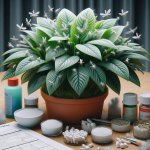
How Do I Treat Whiteflies on My Indoor Plants?
Seeing tiny white specks flutter around your beloved indoor plants can be disheartening. You might initially dismiss them as dust motes, but a closer look reveals something far more insidious: whiteflies. These tiny, winged insects are a common nuisance for plant enthusiasts, capable of causing significant damage if left unchecked. They thrive in the warm, stable environment of your home, making your leafy companions an ideal host. Understanding their habits and life cycle is the first step in winning the battle against them.
-
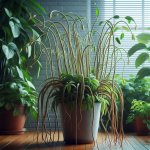
How to Fix Leggy Houseplants: The Complete Guide
Few plant parenting frustrations are as common as discovering your once-lush and compact houseplant has become stretched, sparse, and a little awkward-looking. This elongated, often weak growth, characterized by long stems and widely spaced leaves, is a clear sign that your plant is reaching desperately for something it's lacking. Fortunately, learning how to fix leggy houseplants is an entirely manageable task, involving a combination of corrective measures and strategic adjustments to their growing environment to restore their vibrant, bushy splendor.
-
Advertisement
-
Brown Tips on Houseplant Leaves: What It Means and How to Fix It
Observing brown tips on houseplant leaves is a common sight for indoor plant enthusiasts, often signaling that something in their environment isn't quite right. While it can be a distressing sight, this discoloration is a valuable indicator, providing clues about your plant's needs. Understanding what it means and how to fix it is fundamental to nurturing healthier, vibrant indoor greenery. This guide will help you decode these plant signals and take effective corrective action.
-
Why Are My Houseplants Drooping? Causes and Quick Fixes
Few sights are more disheartening for a plant parent than seeing their once perky houseplants drooping, their vibrant leaves hanging limply instead of standing tall. Drooping leaves are your plant's way of sending an urgent distress signal, indicating that something in its environment isn't quite right. While it can be alarming, a droopy plant often has a straightforward explanation, and with a little detective work, you can usually identify the cause and bring your green companion back to life. This guide will walk you through the most common reasons why your houseplants might be losing their vigor, offering clear symptoms to look for and immediate, practical solutions to revive them, helping you restore their lush beauty.
-
Dealing with Mold in Houseplant Soil: What to Do and How to Prevent It
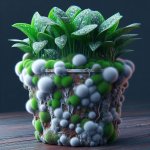
Discovering mold in houseplant soil can be unsettling for any plant parent. While often harmless to the plant itself, this fuzzy growth signals underlying issues with your plant care routine and can attract pests or indicate a less-than-ideal growing environment. Understanding what causes this fungal growth and how to effectively manage it is key to maintaining healthy, thriving houseplants.
-
Why Are My Houseplants Not Growing? Common Growth Issues Explained
There's a quiet satisfaction that comes from nurturing a houseplant, watching new leaves unfurl and stems reach for the light. Yet, for many plant parents, there's also the familiar frustration of a plant that just... isn't doing anything. If you've ever wondered, "Why are my houseplants not growing?" you're not alone. Stagnant growth, yellowing leaves, or a general lack of vigor are common indicators that something is off in your plant's environment or care routine. This guide will explore the most frequent reasons for inhibited houseplant growth and offer practical solutions to help your green companions thrive.
-
Root Rot in Houseplants: Signs, Prevention, and Treatment
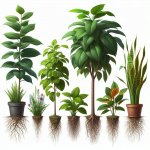
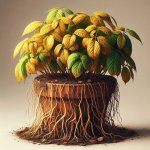
For any houseplant enthusiast, the phrase "root rot" sends a chill down the spine. This pervasive and often silent killer is a leading cause of houseplant demise, leaving many baffled by a plant that wilts despite seemingly adequate watering. Understanding the signs, prevention, and treatment of root rot in houseplants is arguably the most crucial skill a plant parent can master, as early detection and corrective action can mean the difference between a thriving green companion and a trip to the compost bin. This comprehensive guide will demystify root rot, empowering you to protect your plants and nurse them back to health.
-
How to Revive a Dying Houseplant: Step-by-Step Instructions?
Watching your beloved houseplant decline can be disheartening, but often, it's not too late to turn things around. Learning how to revive a dying houseplant involves a systematic approach to identify the underlying problem and provide the specific care it needs to bounce back. Most houseplant issues stem from imbalances in light, water, temperature, or nutrients, and with a little detective work and timely intervention, you can bring your green friend back to life.
-
The Ultimate Guide to Overwatering vs. Underwatering Houseplants
Watering houseplants is often perceived as the simplest task in plant care, yet it's astonishingly easy to get wrong. The line between giving your plants too much or too little can be incredibly fine, leading to common problems that leave plant parents scratching their heads. This comprehensive guide, The Ultimate Guide to Overwatering vs. Underwatering Houseplants, will demystify the art of proper hydration. By learning to recognize the distinct symptoms of both extremes and mastering effective watering techniques, you'll equip yourself with the knowledge to keep your indoor garden flourishing, no matter the plant.