Plant Problems Gardening Tips and Plant Care
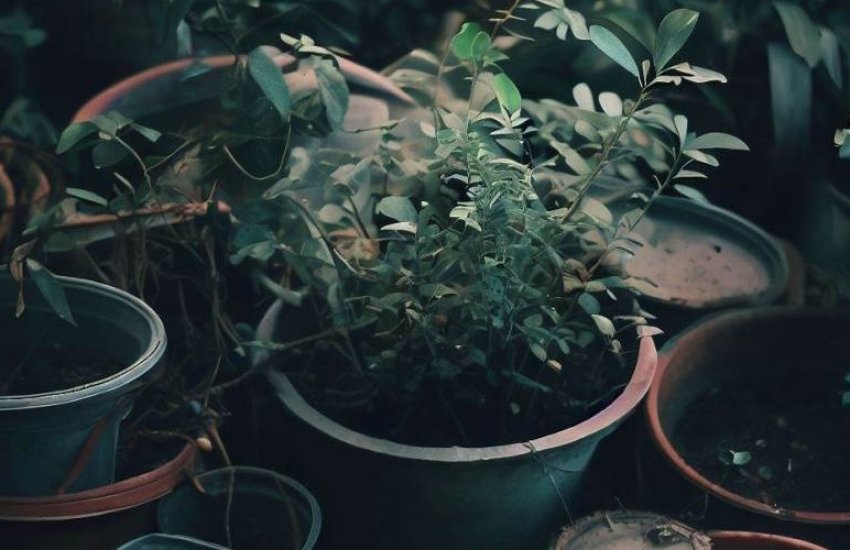
Even the healthiest gardens sometimes face challenges—but identifying and solving plant problems quickly can save your greenery and keep your garden thriving. In our Plant Problems category at GardenBotany.com, we help you recognize common issues like pests, diseases, nutrient deficiencies, and environmental stress, offering clear, practical advice to get your plants back on track. From spotting early symptoms to implementing effective treatments, our guides simplify troubleshooting so you can maintain a lush, healthy garden, indoors and out.
Recent Posts of Plant Problems - Gardening Ideas
-

Plant Disease Identification: Spot and Treat Plant Issues
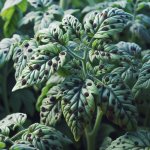
The vibrant tapestry of a healthy garden or a thriving indoor plant collection brings immense joy, but occasionally, that joy is dampened by the appearance of unsightly spots, wilting leaves, or a general decline in plant vigor. These unwelcome changes often signal the presence of a plant disease. Mastering plant disease identification is a cornerstone of effective gardening, enabling you to quickly spot common plant issues and implement appropriate treatments to restore your green companions to full health. This comprehensive guide will equip you with the knowledge to become a plant detective, ready to tackle a range of common ailments.
-
Why Are My Pumpkins Turning Yellow? A Gardener's Guide
There's nothing quite like the excitement of growing your own pumpkins. You plant the seeds, watch the vines spread, and eagerly wait for those big, orange gourds to appear. But sometimes, a disheartening sight appears: your pumpkin leaves or even the young pumpkins themselves start turning yellow. It's a common problem that can leave any gardener scratching their head. Why is this happening, and what can you do about it?
-
What Are the Common Causes of Stunted Growth in Indoor Plants?
Observing your beloved houseplants failing to reach their full potential can be a source of frustration for any indoor gardener. When a plant appears to halt its development, identifying what are the common causes of stunted growth in indoor plants becomes crucial for diagnosis and recovery. This comprehensive understanding allows you to pinpoint the specific environmental stressors or cultural missteps that might be hindering your plant's vigor, enabling you to provide the precise care needed for it to flourish.
-
Advertisement
-
How Do I Fix Nutrient Deficiencies in My Potted Plants?
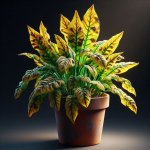
There’s nothing quite as disheartening for a plant parent as seeing a once-thriving potted plant start to look lackluster. Leaves might turn yellow or brown, growth can slow to a crawl, or flowers might simply refuse to bloom. While light, water, and humidity are often the first culprits we suspect, a hidden hunger might be the real problem: nutrient deficiencies. Just like us, plants need a balanced diet to stay healthy and vibrant, and in the confines of a pot, their food supply can easily become depleted.
-
What Should I Do If My Snake Plant Is Showing Signs of Root Rot?
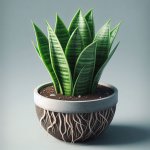
Recognizing the subtle yet critical distress signals from your beloved Snake Plant (Sansevieria trifasciata) is paramount to its long-term health, especially when confronting moisture-related issues. If you observe your Snake Plant showing signs of root rot, immediate and decisive action is necessary to halt the progression of this potentially fatal condition. This guide will walk you through the essential steps to diagnose, treat, and prevent future occurrences of root rot, ensuring your resilient plant continues to thrive.
-
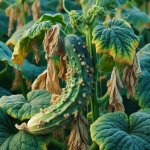
How Can I Manage Bacterial Wilt in My Cucumbers?
Finding your promising cucumber plants suddenly wilting and dying can be a heartbreaking experience for any gardener. When these vibrant vines inexplicably collapse, bacterial wilt in cucumbers is often the culprit. This devastating disease, while not directly caused by soil conditions or watering habits, can quickly decimate an entire crop. Understanding how this particular ailment spreads and what steps you can take to prevent and manage it is crucial for a successful harvest. Let's explore the ins and outs of protecting your cucumber plants from this common and destructive problem.
-
What Causes Leaf Curl in Basil and How Can I Treat It?
Witnessing the vibrant, fragrant leaves of your basil plant begin to curl can be disheartening, especially when you're anticipating a bountiful harvest. If you're asking, "What causes leaf curl in basil and how can I treat it?" you're encountering a common problem with several potential culprits. This guide will help you diagnose the specific issue affecting your basil and provide actionable steps to restore its healthy, flat foliage, ensuring your culinary endeavors remain flavorful and fresh.
-
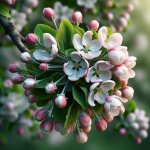
How Do I Address Blossom Drop in My Apple Trees?
There's nothing quite like the sight of an apple tree bursting into bloom in spring. Those delicate, fragrant flowers promise a bounty of crisp, juicy apples later in the year. It's a moment filled with optimism for any gardener or orchard owner. However, that excitement can quickly turn to concern when you notice those precious blossoms or tiny developing fruits dropping prematurely. This phenomenon, known as blossom drop or fruit drop, is a common issue that can significantly reduce your apple harvest.
-
What Are the Signs of Thrips Damage on My Flowers, and How Do I Control Them?
Discovering tiny, fast-moving pests on your beloved blossoms can be disheartening, especially when they start to leave their destructive mark. If your vibrant petals are suddenly looking dull, distorted, or strangely speckled, you might be dealing with thrips. These minute insects are notorious for sucking the life out of ornamental plants, leaving behind tell-tale clues of their presence. Understanding what are the signs of thrips damage on my flowers is the first crucial step in protecting your garden. Once you can identify the problem, you can then implement effective strategies to control these persistent invaders and restore your flowers to their former glory. Let's delve into the specific symptoms to look for and the best methods for managing a thrips infestation.
-
How Can I Prevent Overwatering in My Houseplants?
For many budding plant enthusiasts, the excitement of bringing new greenery into their home often comes with a common hurdle: figuring out the right watering routine. While the urge to nurture our leafy companions is strong, and a little water seems like the most basic form of care, it's a surprising truth that overwatering is often cited as the leading cause of death for houseplants. This isn't because we're being neglectful, but rather because too much moisture can quietly suffocate a plant's roots, leading to irreversible damage before we even realize what's happening.