Gardening Doesn't Have to Be Complicated if You Know What You're Doing
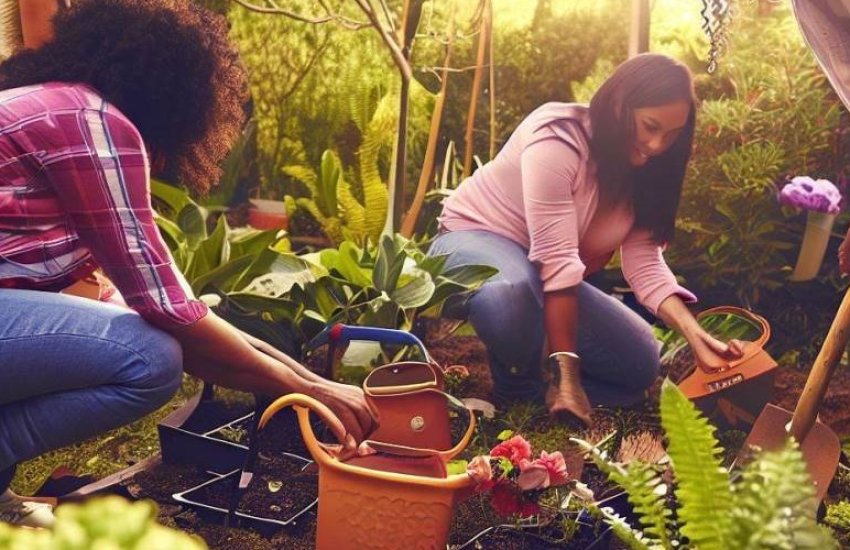
With just a bit of practical knowledge and the right tools, anyone can create a lush, vibrant garden space. Whether you're tending to houseplants, nurturing a vegetable patch, or crafting a backyard oasis, understanding a few fundamental tips can simplify the entire process. At GardenBotany.com, we're here to guide you every step of the way, making gardening enjoyable, stress-free, and accessible for everyone, from complete beginners to seasoned gardeners looking to perfect their green thumbs.
Latest Gardening Posts and Plant Care Tips
-

How to Use Banana Peels as Fertilizer?
You can use banana peels as fertilizer by composting them, burying them directly in garden soil, making a banana peel tea, or drying and grinding them into a powder. These methods release valuable nutrients, particularly potassium, slowly into the soil, benefiting flowering and fruiting plants.
-
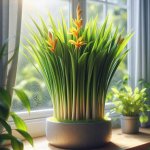
How to Grow Lemongrass for Mosquito Repellent?
To grow lemongrass for mosquito repellent, select a sunny location with well-draining, rich soil and provide ample water. The key to its repellent properties lies in its natural oils, which are released when the leaves are bruised or crushed, offering a natural and aromatic deterrent against mosquitoes.
-
Best Tips for Starting a Winter Vegetable Garden
Starting a winter vegetable garden successfully requires strategic planning, focusing on cool-season crops, and providing adequate protection from cold temperatures. Key steps involve calculating fall planting dates, enriching soil, and utilizing season extension techniques to enjoy fresh produce even in colder months.
-
Advertisement
-
How to Create a Children’s Sensory Garden?
Creating a children's sensory garden involves intentionally designing a space that engages all five senses through carefully chosen plants, textures, sounds, and interactive elements. It's a wonderful way to foster curiosity, encourage exploration, and provide a rich learning environment for children of all ages and abilities.
-
How to Grow Roses in Sandy Soil?
To grow roses in sandy soil successfully, the most crucial step is to significantly enrich the soil with ample organic matter to improve its water and nutrient retention capabilities. While sandy soil offers excellent drainage, it struggles to hold onto moisture and nutrients that roses require for vigorous growth and abundant blooms, making consistent amendment vital.
-
How to Attract Frogs to Your Garden for Pest Control?
Welcoming frogs into your garden is a wonderful, natural way to manage pests. Frogs are insect-loving creatures that feast on various garden pests like mosquitoes, slugs, beetles, and moths, helping to keep your garden healthy without using chemicals. Plus, these fascinating little creatures bring a unique charm and lively atmosphere to your outdoor space.
-
Best Soil Amendments for Clay Soil
The best soil amendments for clay soil are primarily organic materials that improve drainage, aeration, and overall soil structure by creating larger pore spaces. Compost, well-rotted manure, and other plant-based materials are paramount, as they foster a healthy microbial ecosystem and enhance nutrient availability.
-
How to Make Natural Fertilizers with Household Items?
You can make natural fertilizers with household items by repurposing common organic waste like coffee grounds, banana peels, eggshells, and even leftover cooking water. These everyday scraps, when properly prepared, provide essential nutrients that promote healthy plant growth and enrich your garden soil.
-
How to Use Coffee Grounds in Your Garden?
To use coffee grounds in your garden, primarily add them to your compost pile or sparingly as a soil amendment for acid-loving plants. They offer valuable organic matter and a slow release of nitrogen, improving soil structure and supporting microbial life when applied correctly.
-
Best Ways to Prevent Mold in Indoor Plants
The best ways to prevent mold in indoor plants focus on controlling moisture levels, improving air circulation, and using appropriate potting practices. By managing these key environmental factors, you can significantly reduce the risk of mold growth on your plants and in their soil.